
Starbucks Gingerbread Biscotti Copycat Recipe

This Starbucks gingerbread biscotti recipe gives you that crisp, spiced cookie from the holiday menu, made at home with pantry staples. It’s the kind of thing you’ll want to have on the counter all December, ready to dunk in your morning coffee.
The twice-baked method gives you that signature snap without any special equipment. One bowl, a baking sheet, and about an hour is all it takes.
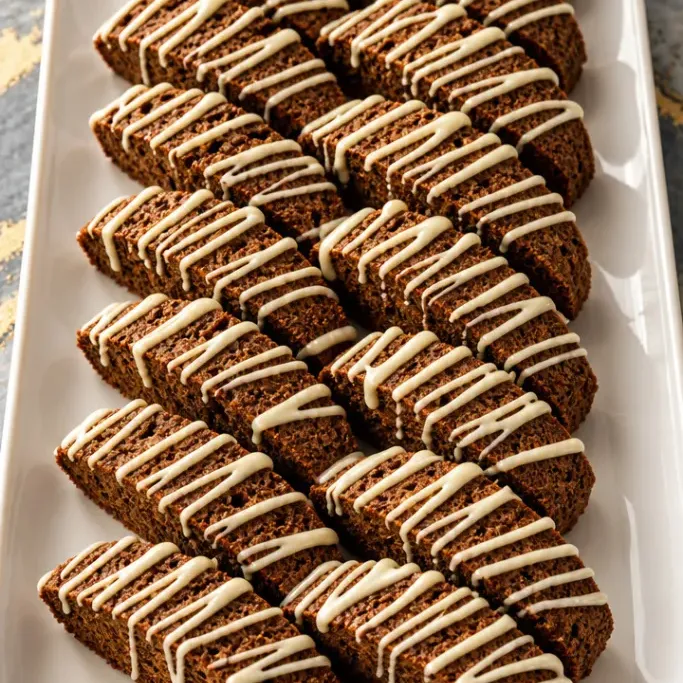
Why I Love This Recipe
The spice balance here is the thing I keep coming back to. Ginger and cinnamon are upfront, with just enough clove to make it feel like the real deal rather than a generic spiced cookie.
The long bake gives the biscotti a dry, crunchy texture that holds up in hot coffee without turning to mush. Dip it or eat it straight, it works either way.
Recipe Ingredients
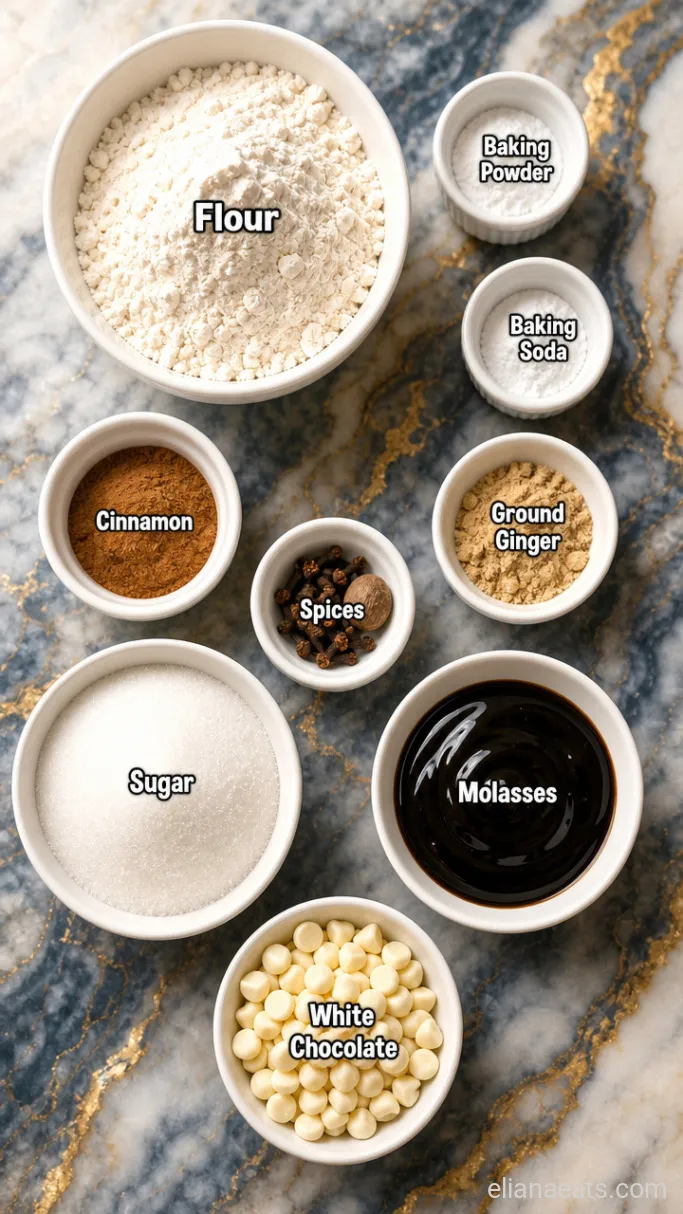
- 2 1/4 cups all-purpose flour – Standard unbleached works best; bread flour will make it too tough
- 1 tsp baking powder – Gives the log a slight lift before the second bake
- 1/2 tsp baking soda – Works with the molasses to help browning
- 2 tsp ground ginger – The dominant spice; use fresh-ground if you can
- 1 1/2 tsp ground cinnamon – Rounds out the ginger heat
- 1/4 tsp ground cloves – A little goes a long way; don’t increase this
- 1/4 tsp ground nutmeg – Adds warmth in the background
- 1/2 tsp fine sea salt – Balances the molasses sweetness
- 2 large eggs – Room temperature; they incorporate more evenly
- 3/4 cup granulated sugar – Standard white sugar; brown sugar will make these chewier, not crisp
- 3 tbsp unsulfured molasses – This is what gives the biscotti its deep color and Starbucks-style flavor
- 1 tsp vanilla extract – Plain vanilla, not paste; paste can add moisture you don’t want here
- 3 tbsp unsalted butter, melted – Cooled slightly before mixing in
- 1/2 cup white chocolate chips – For dipping or drizzling at the end; optional but very good
- 1 tsp neutral oil (such as canola) – For thinning the white chocolate when melting
Variations / Substitutions
- Brown sugar instead of granulated – The biscotti will be slightly softer and chewier rather than fully crisp, which some people actually prefer.
- Dark chocolate drizzle instead of white – Melt 60g of dark chocolate with the neutral oil for a more bittersweet finish that plays well against the ginger.
- Add 1/3 cup chopped crystallized ginger – Fold it in with the dry ingredients for pockets of chewy, intense ginger flavor throughout.
- Dairy-free – Replace the butter with the same amount of refined coconut oil, melted and cooled; the texture is nearly identical.
- Extra heat – Add 1/4 tsp of white pepper to the dry ingredients for a sharper ginger bite, closer to a German Pfefferkuchen.
- Molasses swap – Dark treacle works as a 1-for-1 replacement if that’s what you have; the flavor will be slightly more bitter and robust.
If you enjoy this style of spiced holiday baking, the Cranberry bliss bars recipe from Starbucks is worth making alongside it.
How To Make Gingerbread Biscotti
Step 1: Whisk the Dry Ingredients
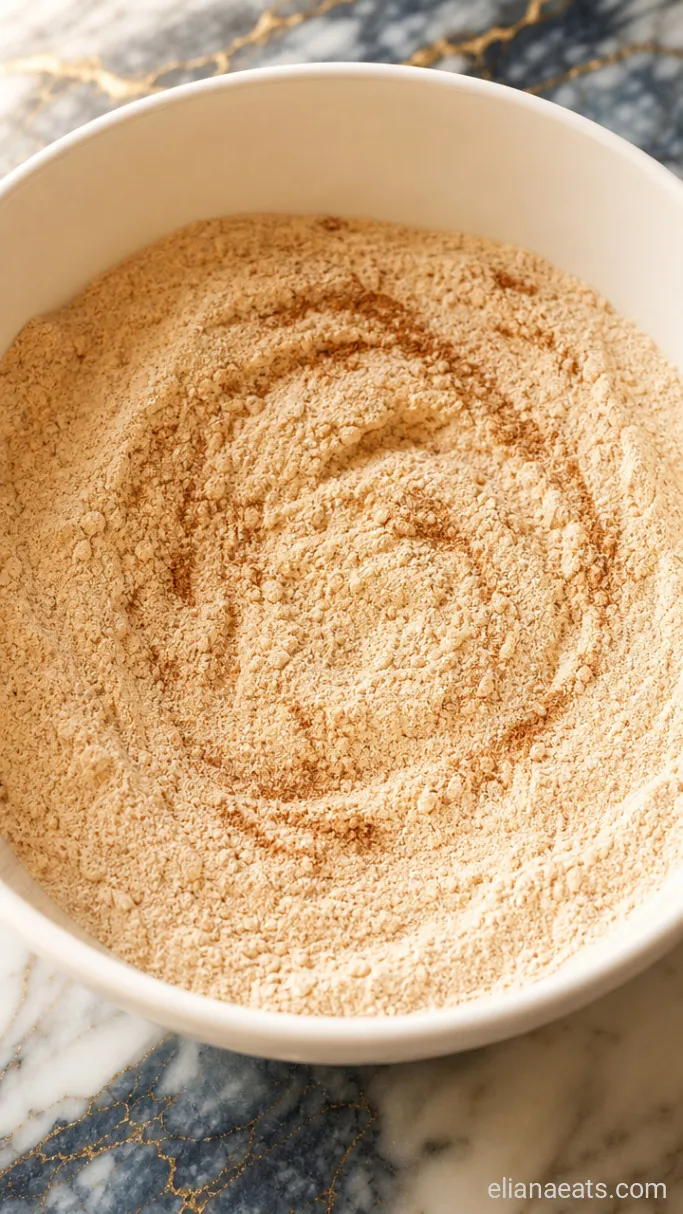
Heat your oven to 350°F (175°C) and line a large baking sheet with parchment paper. In a large bowl, whisk together the 2 1/4 cups flour, 1 tsp baking powder, 1/2 tsp baking soda, 2 tsp ground ginger, 1 1/2 tsp ground cinnamon, 1/4 tsp ground cloves, 1/4 tsp ground nutmeg, and 1/2 tsp fine sea salt. Whisk for a full 30 seconds so the spices are evenly distributed before any wet ingredients go in.
The mixture should look uniformly tan with no visible pockets of white flour or darker spice. Even mixing here means every biscotti gets the same amount of spice.
Step 2: Beat the Wet Ingredients
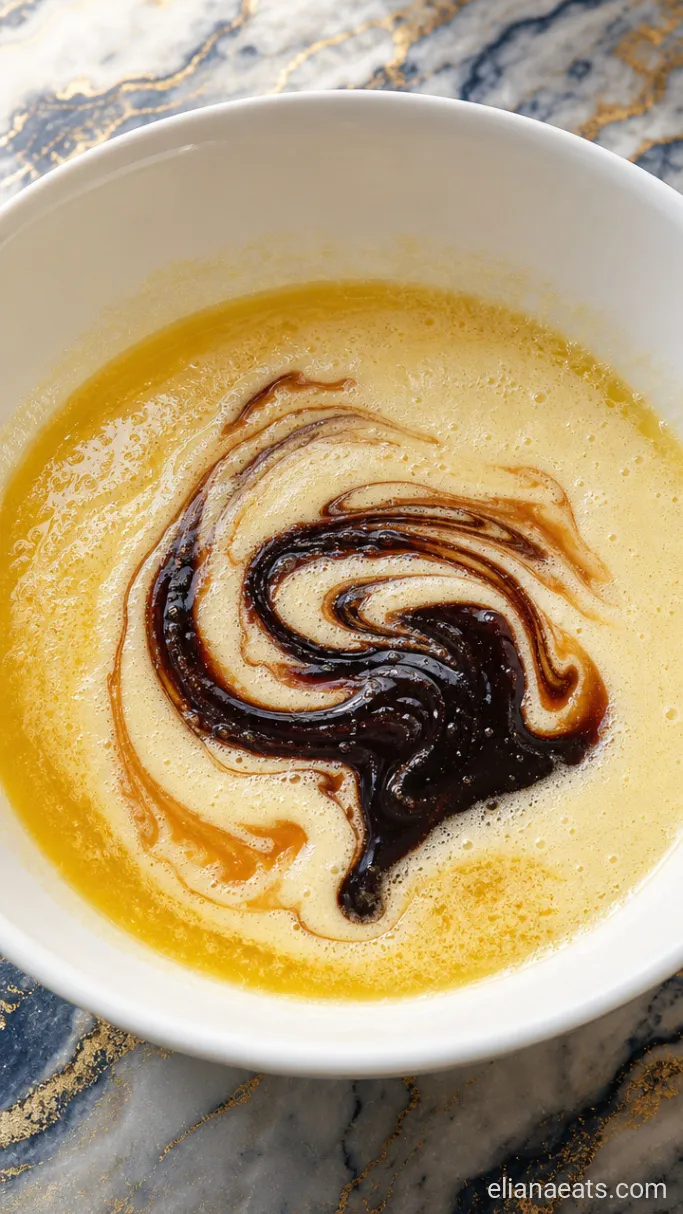
In a medium bowl, whisk together the 2 large eggs, 3/4 cup granulated sugar, 3 tbsp molasses, 1 tsp vanilla extract, and 3 tbsp melted and slightly cooled butter until the mixture is smooth and a little darker than caramel, about 1 minute of brisk whisking.
You’ll see the sugar start to dissolve and the molasses will streak through before it fully incorporates. Keep going until there are no dark streaks left and the mixture looks glossy.
Step 3: Combine and Form the Logs
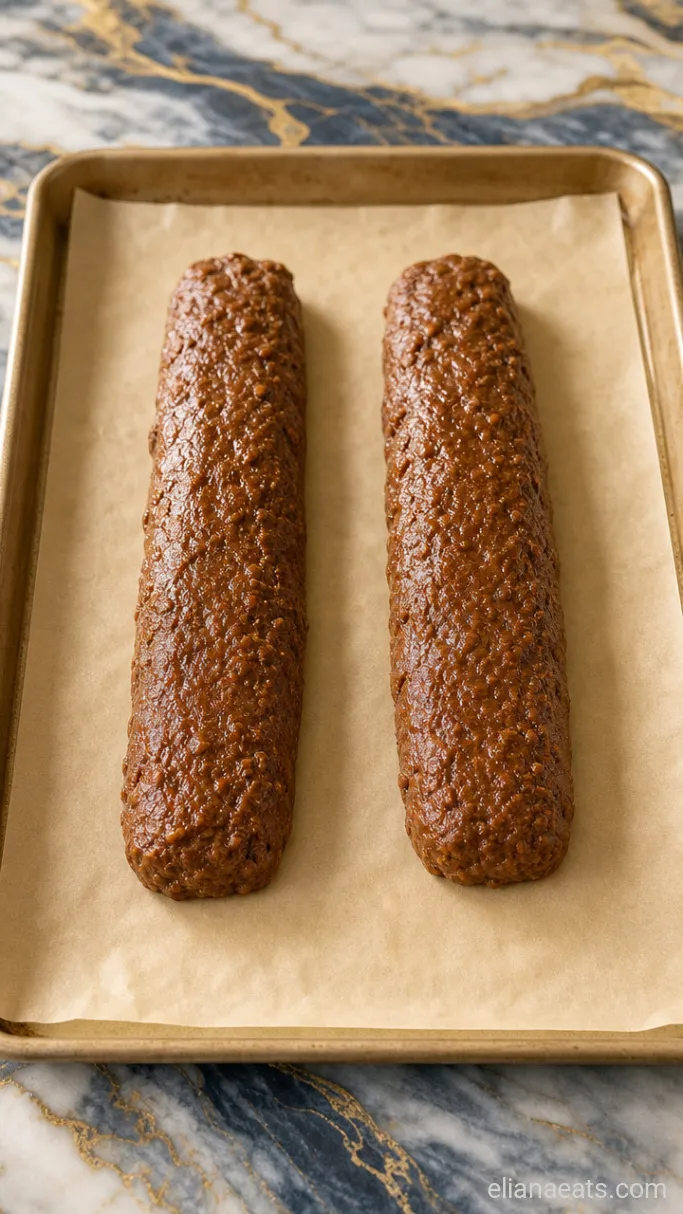
Pour the wet ingredients into the dry and stir with a wooden spoon or silicone spatula until a stiff, slightly sticky dough comes together, about 1 to 2 minutes. Turn the dough out onto your parchment-lined baking sheet and divide it in half. Shape each half into a log roughly 10 inches long and 2 1/2 inches wide, flattening the tops gently with damp hands so the logs are about 3/4 inch tall.
The dough will be tacky. Damp hands make shaping much easier, and keeping them wet as you work prevents sticking. Leave at least 3 inches between the 2 logs because they spread during the first bake.
Step 4: Bake the Logs
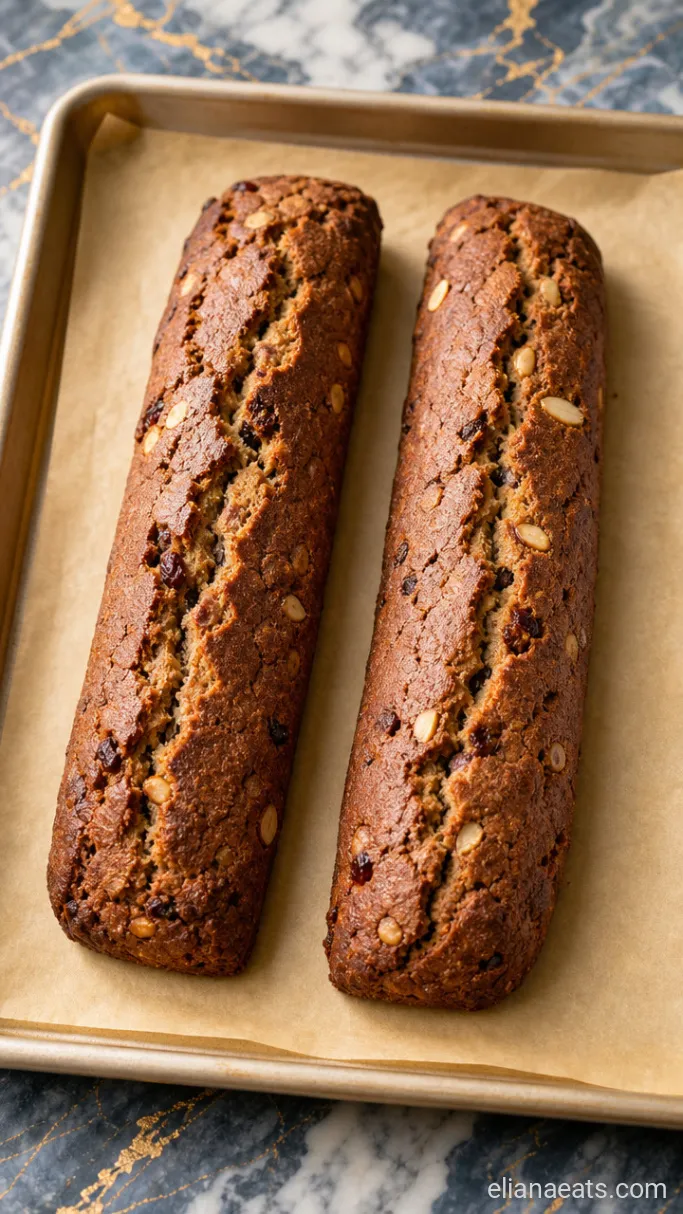
Slide the baking sheet into the preheated 350°F (175°C) oven and bake for 28 to 30 minutes, until the logs are set, lightly cracked on top, and a skewer inserted in the center comes out clean. The edges will look dry and the surface will feel firm when you press it lightly.
Let the logs cool on the baking sheet for exactly 15 minutes before slicing. Cutting sooner risks crumbling because the interior is still soft. Don’t skip the rest.
Step 5: Slice and Dry the Biscotti
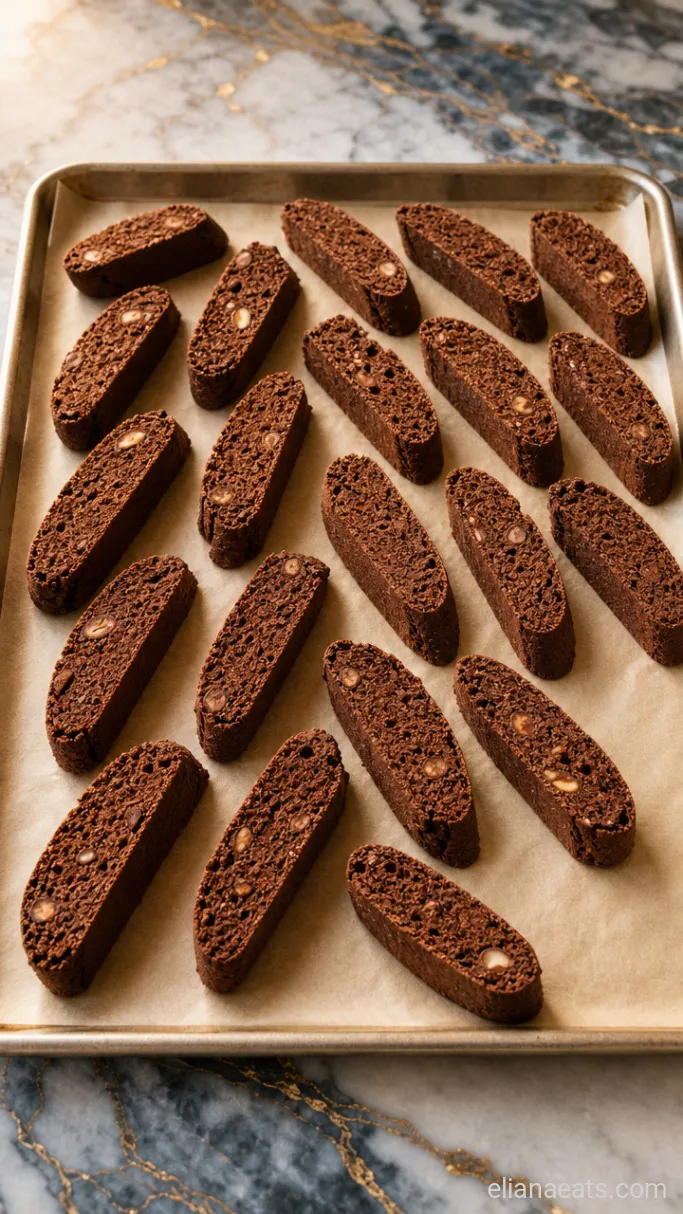
Reduce the oven to 325°F (165°C). Using a sharp serrated knife, cut each log on a slight diagonal into slices about 3/4 inch thick. Lay every slice cut-side down on the same parchment-lined baking sheet and return them to the oven for 10 minutes. Flip each slice over and bake for another 10 to 12 minutes, until the cut faces are dry and golden.
The biscotti are done when they feel dry and rigid to the touch, not just firm. They’ll crisp up more as they cool, so don’t overbake chasing a crunch that isn’t there yet. You’re aiming for an internal moisture level low enough to give you that clean snap.
Step 6: Drizzle with White Chocolate and Serve
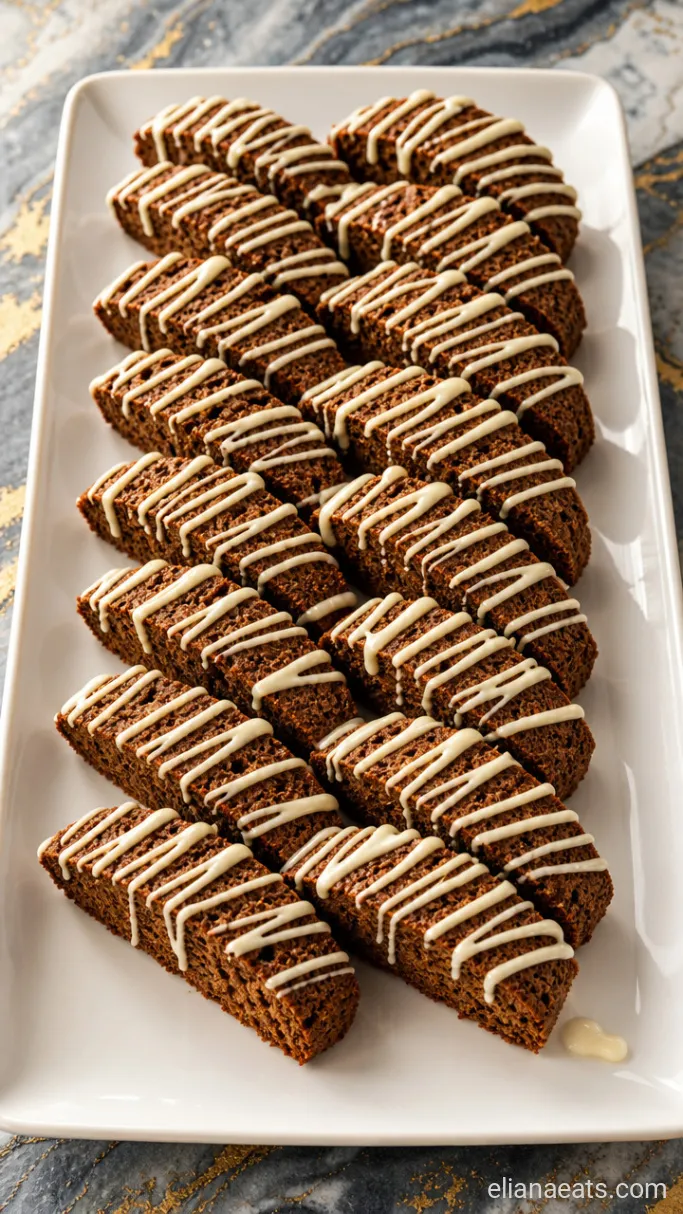
Transfer the biscotti to a wire rack and let them cool to room temperature, about 20 minutes. In a small microwave-safe bowl, melt the 1/2 cup white chocolate chips with the 1 tsp neutral oil in 20-second bursts while melting chocolate chips, stirring between each one, until smooth. Use a spoon to drizzle the white chocolate back and forth across the cooled biscotti in thin lines. Let the chocolate set for 15 to 20 minutes at room temperature, or 5 minutes in the fridge, then arrange the biscotti on a serving board with the drizzle facing up.
Recipe Tips
- Use a serrated knife for slicing. A straight-edged chef’s knife will compress the log and cause ragged, crumbling cuts. Saw gently with minimal downward pressure.
- Room temperature eggs matter. Cold eggs can make the butter seize into small lumps when you combine wet and dry. If you forgot to pull them out, set the eggs in warm water for 5 minutes first.
- Don’t rush the second bake. Pulling the biscotti early because they look done is the most common reason they turn out chewy instead of crisp. Go the full time, and trust the cooling process to finish the job.
- Storing the biscotti at room temperature in an airtight tin keeps them crisp for up to 2 weeks. A paper towel in the tin absorbs any ambient moisture.
Bake times by log size (at 325°F / 165°C for the second bake):
| Slice Thickness | Second Bake Per Side | Expected Texture |
|---|---|---|
| 1/2 inch | 8 to 9 minutes | Very dry, extra crisp |
| 3/4 inch | 10 to 12 minutes | Classic biscotti snap |
| 1 inch | 13 to 14 minutes | Slightly more bite |
How To Store
- Refrigerate – Not recommended; the fridge introduces moisture and softens the biscotti faster than room temperature storage does.
- Room temperature – Store in an airtight container or tin for up to 2 weeks. Keep them away from steam, so not right next to the kettle or stove.
- Reheating – If they soften over time, spread them on a baking sheet and bake at 300°F (150°C) for 8 minutes. They’ll crisp right back up.
Frequently Asked Questions
Can I make the dough ahead and bake it the next day?
Yes. Wrap the shaped, unbaked logs tightly in plastic wrap and refrigerate overnight. Pull them out 20 minutes before baking to take the chill off, then bake as directed.
Why did my biscotti crumble when I sliced them?
The logs needed more cooling time. Fifteen minutes is the minimum; if your kitchen is warm, let them rest 20 minutes before slicing.
Can I freeze biscotti after baking?
Yes, they freeze well. Layer them between sheets of parchment in an airtight container and freeze for up to 3 months. Thaw at room temperature for an hour, and they’ll be just as crisp as fresh.
Do I have to use molasses, or can I skip it?
Don’t skip it entirely. Molasses is what gives these biscotti their dark color and deep, slightly bitter base note. If you’re out, dark treacle or black strap molasses both work, though blackstrap will taste more intense and slightly more bitter.
Gingerbread Biscotti Recipe
Ingredients
Method
- Heat the oven to 350°F (175°C) and line a large baking sheet with parchment. Whisk together the flour, baking powder, baking soda, ginger, cinnamon, cloves, nutmeg, and salt in a large bowl for 30 seconds.
- In a medium bowl, whisk the eggs, granulated sugar, molasses, vanilla extract, and melted butter until smooth and glossy, about 1 minute.
- Pour the wet ingredients into the dry and stir until a stiff, sticky dough forms. Divide in half and shape into 2 logs, each about 10 inches long, 2 1/2 inches wide, and 3/4 inch tall, on the lined baking sheet.
- Bake at 350°F (175°C) for 28 to 30 minutes until set and lightly cracked. Cool on the pan for 15 minutes.
- Reduce the oven to 325°F (165°C). Slice each log diagonally into 3/4-inch-thick slices. Lay cut-side down and bake 10 minutes, flip, and bake another 10 to 12 minutes until dry and golden. Cool on a wire rack for 20 minutes.
- Melt the white chocolate chips with the neutral oil in 20-second microwave bursts, stirring between each, until smooth. Drizzle over the cooled biscotti, let the chocolate set, and arrange on a serving board with the drizzle facing up.
