
Texas Roadhouse Rolls Copycat Recipe

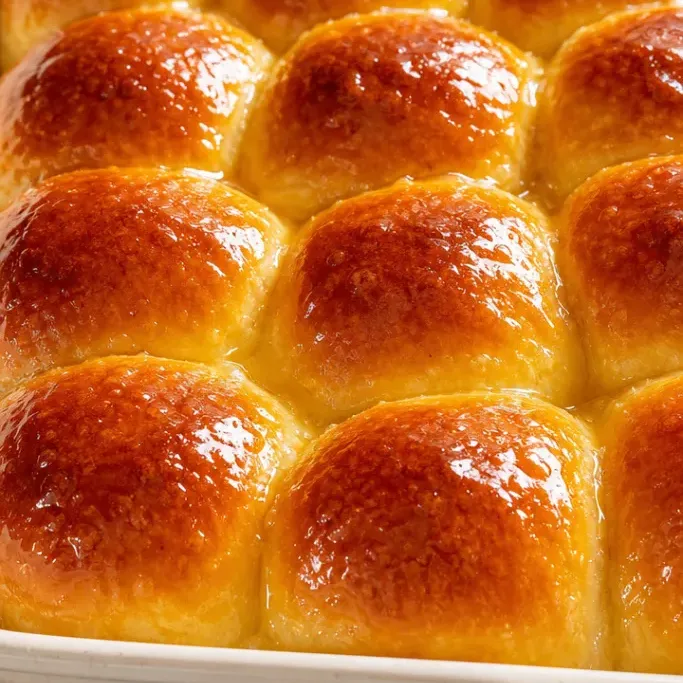
These Texas Roadhouse rolls copycat rolls are soft, slightly sweet, and brushed with honey cinnamon butter the moment they come out of the oven. If you’ve ever sat down at the restaurant and eaten three before your meal arrived, you already know why this recipe exists.
Making them at home takes a bit of patience for the rise, but the hands-on work is minimal. The result is a pull-apart roll with a feathery crumb and a shiny, sticky top that tastes exactly like you remember.
Why I Love This Recipe
The sweetness here is subtle, just enough to make you reach for a second one. The honey butter soaks into the warm rolls and gives the crust a slight chew without making them greasy.
This is the version I keep coming back to because the dough is forgiving. A little longer rise only makes them better, so there’s no stress if dinner gets delayed.
Recipe Ingredients
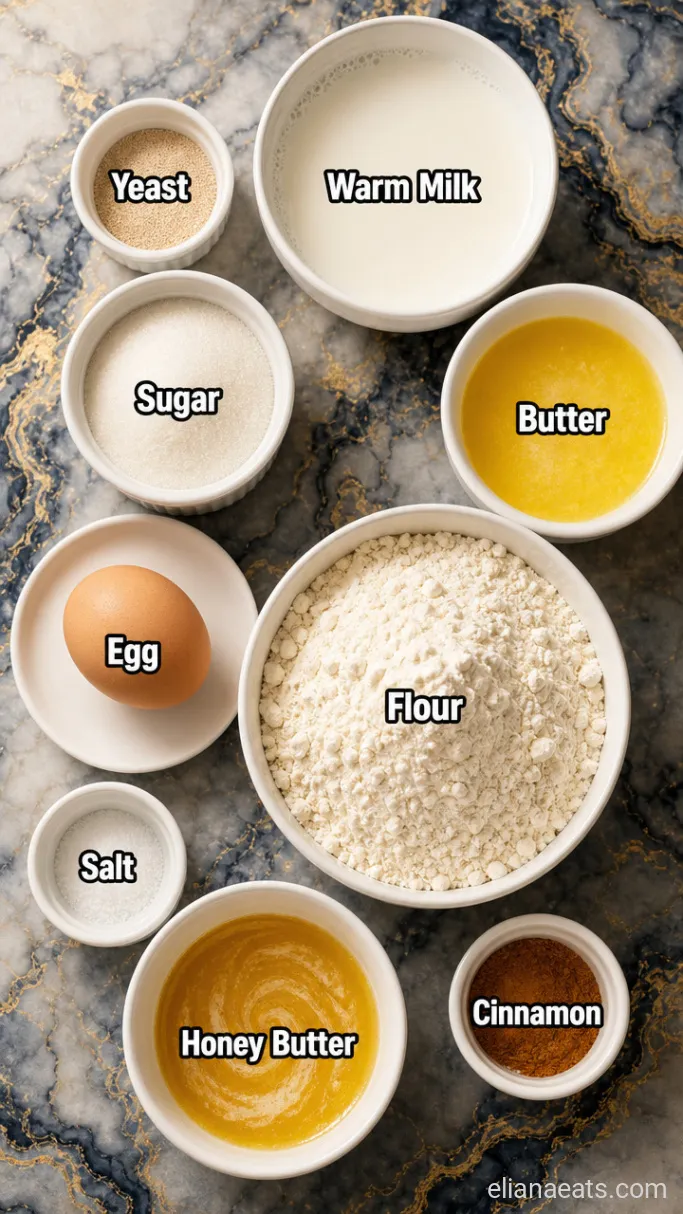
- 1 packet (2¼ tsp) active dry yeast – Active dry needs to bloom first; instant yeast works too but skip the bloom step
- 1 cup whole milk, warmed to 110°F (43°C) – Whole milk gives a richer crumb; 2% works in a pinch
- ¼ cup granulated sugar, divided – 1 tsp goes to the yeast, the rest goes into the dough
- ¼ cup unsalted butter, melted – For the dough; adds tenderness and flavor
- 1 large egg – Binds the dough and helps with color
- 1 tsp salt – Balances the sweetness
- 3½ cups all-purpose flour, plus more for dusting – Measured by spooning into the cup, not scooping, to avoid a dense roll
- 2 tbsp unsalted butter, melted – Brushed on immediately after baking
- 1 tbsp honey – Mixed with the finishing butter for the classic glaze
- ¼ tsp cinnamon – The small detail that makes the finishing butter taste like the restaurant’s
Variations / Substitutions
- Instant yeast – Skip the bloom step; mix it straight into the flour and reduce the first rise to 45 minutes.
- 2% or oat milk – Both work well; the rolls will be very slightly less rich but still soft.
- Bread flour – Swap it for all-purpose cup for cup for a slightly chewier, more structured roll.
- Brown sugar – Use it in place of granulated sugar for a deeper, more molasses-forward sweetness in the dough.
- Extra honey butter – Double the finishing butter and serve the extra on the side as a spread.
- Garlic herb version – Replace the honey and cinnamon with 1 clove minced garlic and 1 tsp fresh parsley in the finishing butter for a savory spin.
If you like this kind of enriched bread, you might also enjoy a Texas Roadhouse spread with a Copycat Cinnamon Butter recipe as a standalone treat.
How To Make Texas Roadhouse Rolls
Step 1: Bloom the Yeast and Mix the Dough
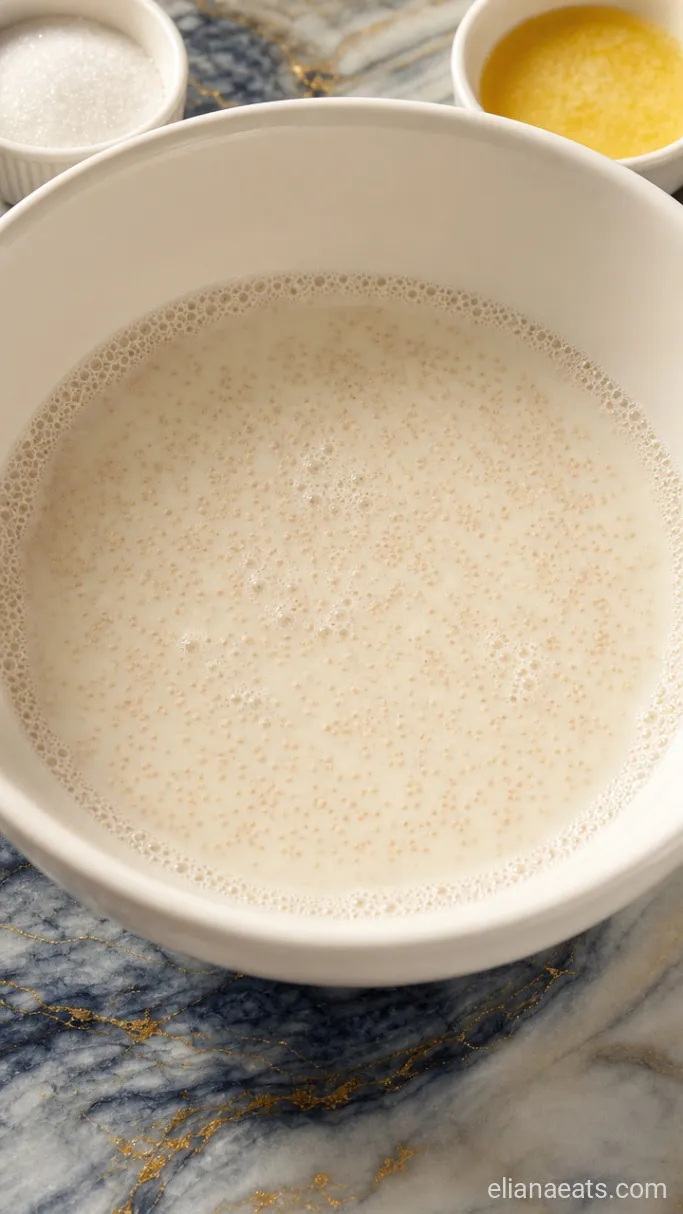
Warm the 1 cup of whole milk to 110°F (43°C), pour it into a large bowl, and stir in 1 tsp of the granulated sugar and the 1 packet (2¼ tsp) of active dry yeast. Let it sit for 5 to 10 minutes. You’re looking for a foamy, slightly domed surface, which tells you the yeast is alive and active.
Once the yeast is foamy, whisk in the remaining 3 tsp of granulated sugar, the ¼ cup of melted unsalted butter, the 1 large egg, and the 1 tsp of salt. Add the 3½ cups of all-purpose flour one cup at a time, stirring with a wooden spoon until a shaggy dough forms. The dough will look rough and a little sticky at this point, and that is exactly right.
If you don’t see foam after 10 minutes, your yeast is likely expired or your milk was too hot. Start over with fresh yeast before going further — no amount of kneading will fix a dead yeast.
Step 2: Knead the Dough Until Smooth
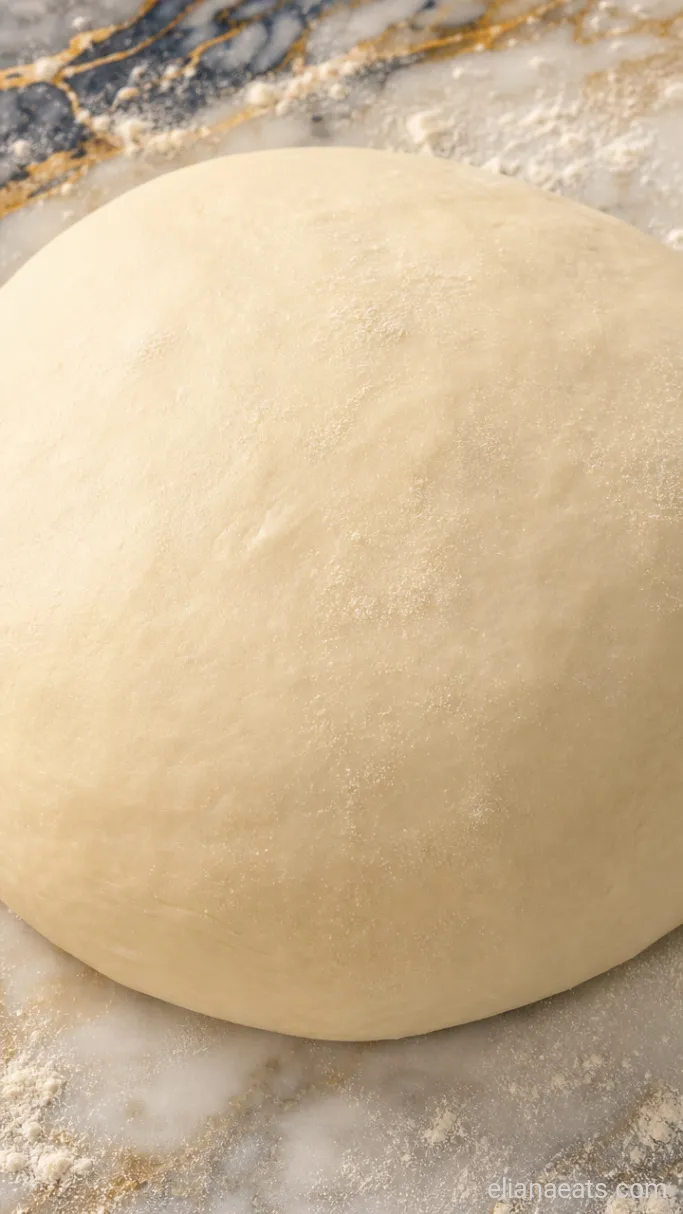
Turn the dough out onto a lightly floured surface and knead for 8 to 10 minutes by hand, adding flour a tablespoon at a time only if the dough is sticking badly to your hands. You want a smooth, elastic ball that springs back when you poke it.
The dough is ready when it feels like a soft earlobe and the surface is no longer ragged. If you press a finger in, it should slowly bounce back about halfway. A stand mixer with a dough hook on medium speed for 6 minutes gets you to the same place.
Step 3: Rise the Dough Until Doubled
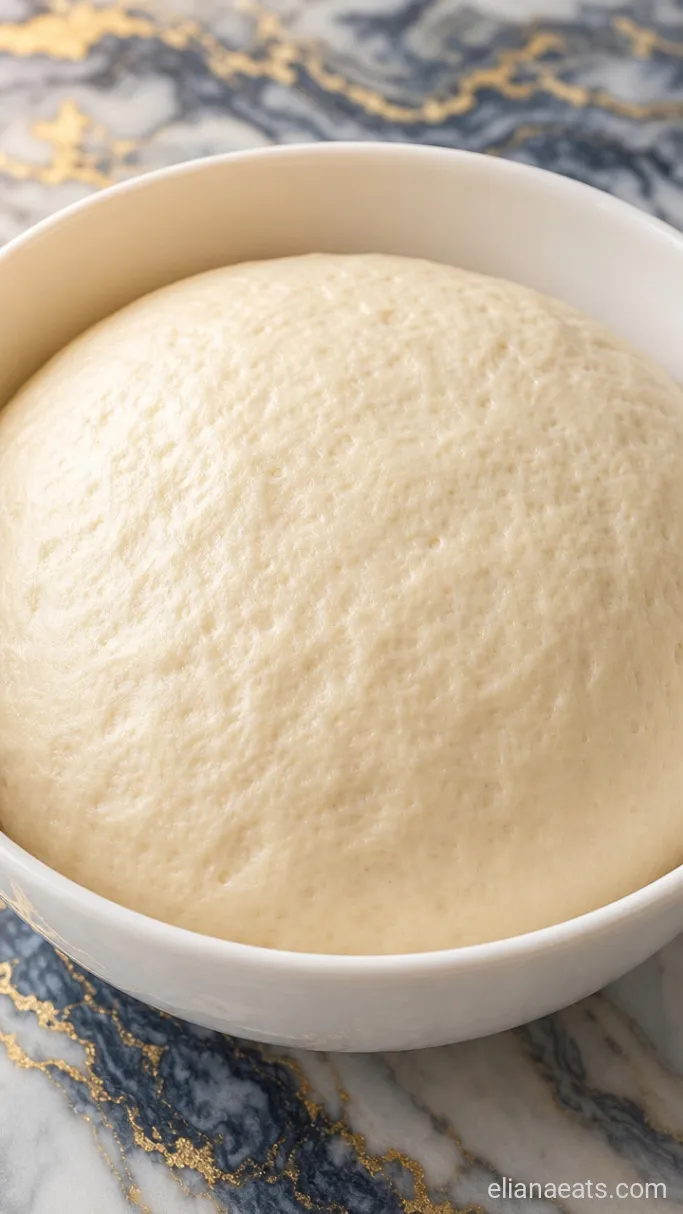
Shape the kneaded dough into a ball, place it in a lightly greased bowl, and cover it with plastic wrap or a clean kitchen towel. Let it rise in a warm spot for 1 hour, or until it has doubled in size. A turned-off oven with just the light on works well as a draft-free warm spot.
While the dough is rising, line a 9×13-inch baking pan with parchment paper or grease it well with butter.
Step 4: Shape the Rolls and Second Rise
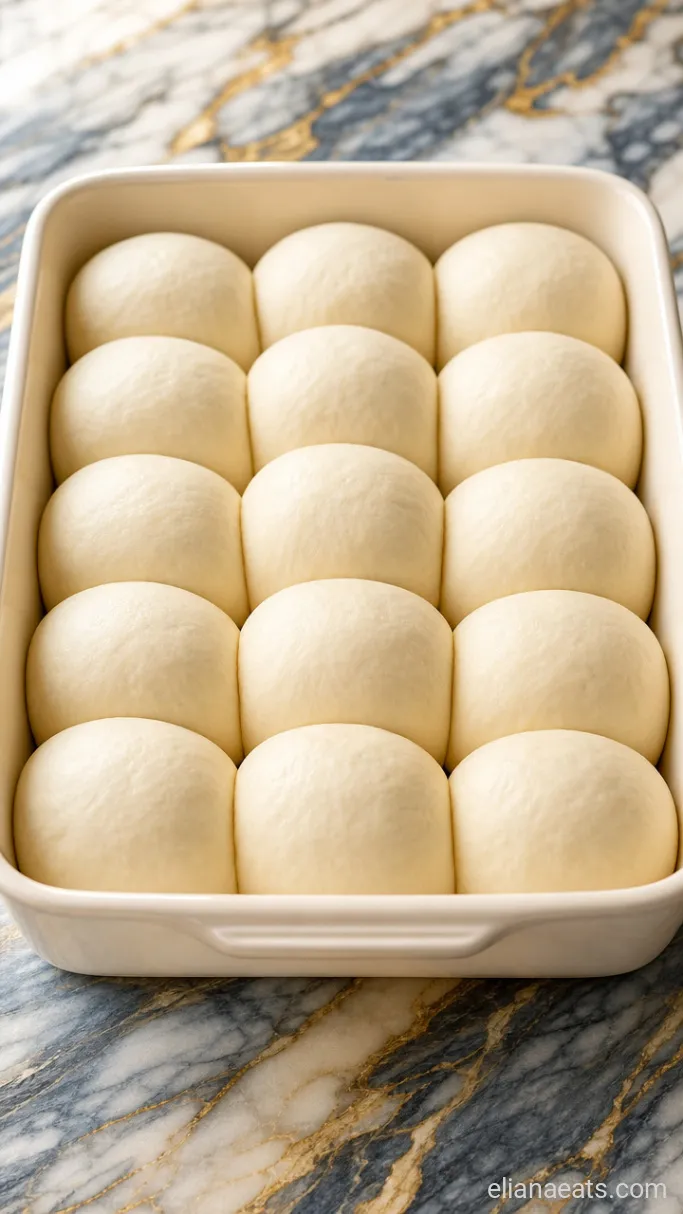
Once the dough has doubled, punch it down gently and turn it out onto a lightly floured surface. Divide the dough into 15 equal pieces, roughly the size of a golf ball, about 55 grams each if you have a kitchen scale. Roll each piece into a smooth ball by cupping your hand over it and moving it in a circular motion against the counter.
Place the rolls in the prepared 9×13-inch pan, spaced about ½ inch apart. Cover them with a clean towel and let them rise for another 30 minutes, until they’re puffed and touching each other. Rolls that haven’t had this second rise will be dense in the center, so don’t rush it.
Step 5: Bake the Rolls Until Golden
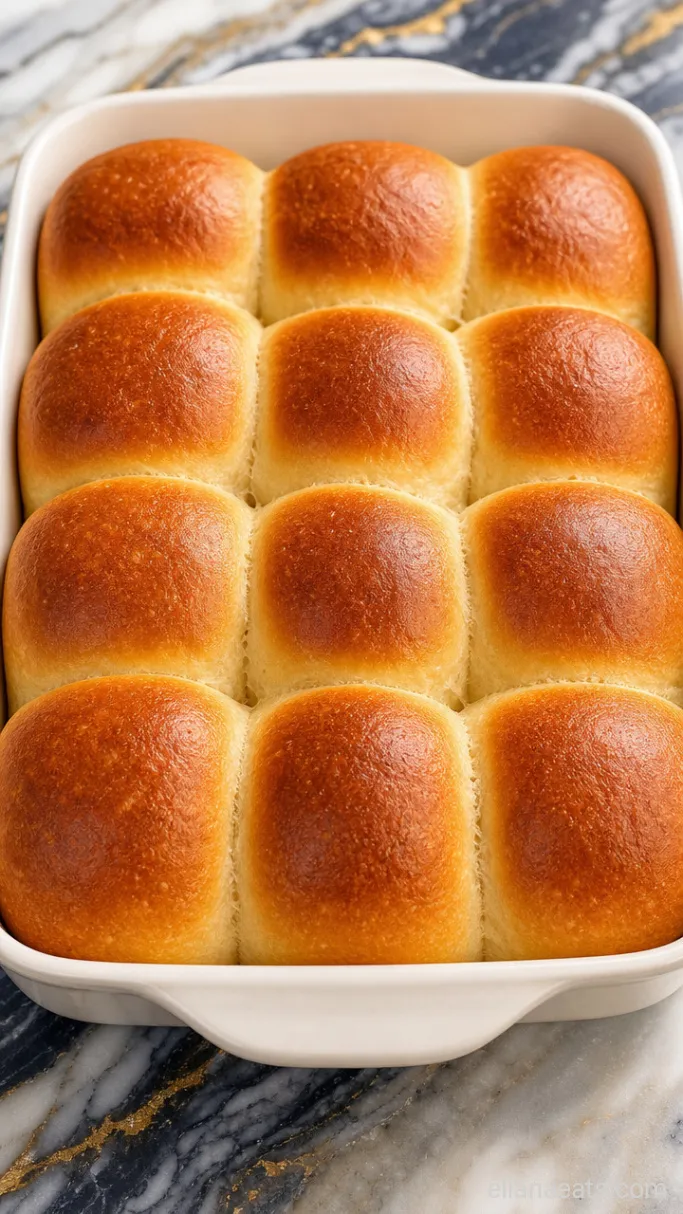
Preheat your oven to 350°F (175°C) while the rolls finish their second rise. Bake for 18 to 20 minutes, until the tops are a light golden brown. Pull them at the lighter end if you prefer a softer crust — they’ll continue cooking slightly from the residual heat in the pan.
The bottoms should sound hollow when you tap the pan, and an instant-read thermometer inserted into a center roll should read 190°F (88°C).
Step 6: Glaze and Serve Warm
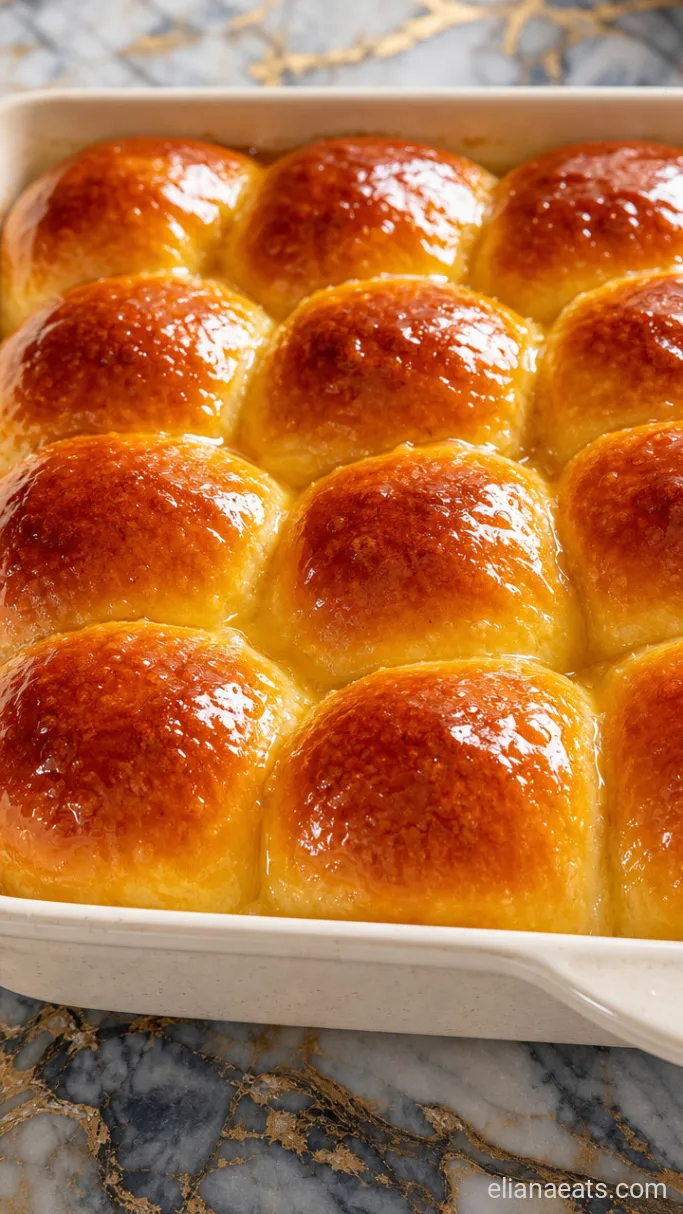
The moment the rolls come out of the oven, stir together the 2 tbsp of melted unsalted butter, the 1 tbsp of honey, and the ¼ tsp of cinnamon in a small bowl. Brush the glaze generously over the hot rolls, making sure it gets into the cracks between them where it will pool slightly.
Serve them straight from the pan while the glaze is still glistening and the rolls are steaming. Place the pan on the table with a small dish of extra honey butter on the side for spreading.
Recipe Tips
- Use a kitchen scale for even rolls. Eyeballing 15 pieces results in mismatched sizes that bake unevenly. At about 55 grams each, they come out of the oven at the same time without any pale underbaked ones hiding in the center.
- Don’t add too much flour while kneading. A slightly tacky dough makes a softer roll. If you stiffen the dough with extra flour, the rolls will be chewy rather than feathery.
- Make the dough the night before. After kneading, cover the dough tightly and refrigerate it overnight instead of doing the first rise at room temperature. The slow cold rise adds flavor. Take it out 30 minutes before shaping.
- Check your milk temperature with a thermometer. Milk that is too hot (above 115°F / 46°C) kills the yeast. Too cold (below 100°F / 38°C) and it won’t bloom properly.
Bake times by pan size (internal done-temp 190°F / 88°C):
| Pan Size | Number of Rolls | Bake Time at 350°F (175°C) |
|---|---|---|
| 9×13 inch | 15 rolls | 18 to 20 minutes |
| 8×8 inch | 9 rolls | 16 to 18 minutes |
| Muffin tin (12 cups) | 12 rolls | 14 to 16 minutes |
How To Store
- Refrigerate – Store cooled rolls in an airtight container or zip-lock bag for up to 4 days. They firm up overnight, so they really do need a quick reheat.
- Reheating – Wrap 2 to 3 rolls in a damp paper towel and microwave for 20 to 25 seconds, or place them in a 300°F (150°C) oven for 8 minutes. The damp towel trick keeps them from drying out.
- Freezing – Baked rolls freeze well for up to 2 months. Wrap them individually in plastic wrap, then put them in a freezer bag. Thaw at room temperature for an hour before reheating.
What To Serve With Texas Roadhouse Rolls
A bowl of chili or beef stew is a natural companion because the rolls soak up the broth without falling apart. They also work alongside a slab of grilled chicken or pork ribs where you want something soft and slightly sweet to cut through the smoke and char. For a lighter spread, a big green salad with a sharp vinaigrette contrasts nicely with the buttery richness of the rolls.
Frequently Asked Questions
Can I make these rolls without a stand mixer?
Yes, kneading by hand for 8 to 10 minutes gets you to the same smooth, elastic dough. It’s a bit of a workout, but the results are identical.
Why did my rolls turn out dense?
The most likely cause is under-proofing. If the dough didn’t fully double during either rise, the rolls won’t have enough air to give them that light, feathery crumb.
Can I freeze the dough before baking?
Yes. After shaping the rolls and placing them in the pan, cover tightly and freeze before the second rise. When you’re ready to bake, thaw them overnight in the fridge, then let them rise at room temperature for 1 to 1½ hours before baking.
Do I have to use whole milk?
No, but the fat in whole milk adds to the softness of the crumb. Lower-fat milk still works; the rolls will just be slightly less rich.
Texas Roadhouse Rolls Recipe
Ingredients
Method
- Combine the warm milk, 1 tsp sugar, and yeast in a large bowl and let it bloom for 5 to 10 minutes until foamy. Whisk in the remaining sugar, ¼ cup melted butter, egg, and salt, then stir in the 3½ cups flour until a shaggy dough forms.
- Turn the dough onto a lightly floured surface and knead for 8 to 10 minutes until smooth and elastic, adding flour one tablespoon at a time only if it sticks badly.
- Place the dough in a greased bowl, cover, and let it rise in a warm spot for 1 hour until doubled.
- Punch the dough down, divide into 15 pieces (about 55 grams each), roll each into a smooth ball, and place in a greased or lined 9×13-inch pan. Cover and let rise for 30 more minutes until puffed and touching.
- Bake at 350°F (175°C) for 18 to 20 minutes until the tops are light golden and the internal temperature reaches 190°F (88°C).
- Stir together the 2 tbsp melted butter, 1 tbsp honey, and ¼ tsp cinnamon, brush over the hot rolls, and serve straight from the pan.
