
Buttery Copycat Panera Orange Scones

These copycat Panera orange scones have the same craggy golden top, tender crumb, and sweet-tart orange glaze as the bakery version, but they come out of your own oven instead of the display case. If you have ever ordered one with coffee and thought about how to make it at home, this is that scone.
They come together with a short list of pantry ingredients and one bowl, so there’s no reason to wait for a bakery run when you want one tonight.

Why This One Stays in the Rotation
The orange zest goes right into the dry ingredients, so every bite carries that citrus smell before you even taste it. Cold butter cut into small pieces is what gives the scone its flaky layers instead of a dense, cakey crumb.
I like that the glaze sets up sticky rather than crumbly, so you get a bit of chew on top before the soft inside. It tastes closer to the Panera version than most copycat attempts I’ve tried, mostly because of the double dose of orange, once in the dough and again in the glaze.
Ingredients
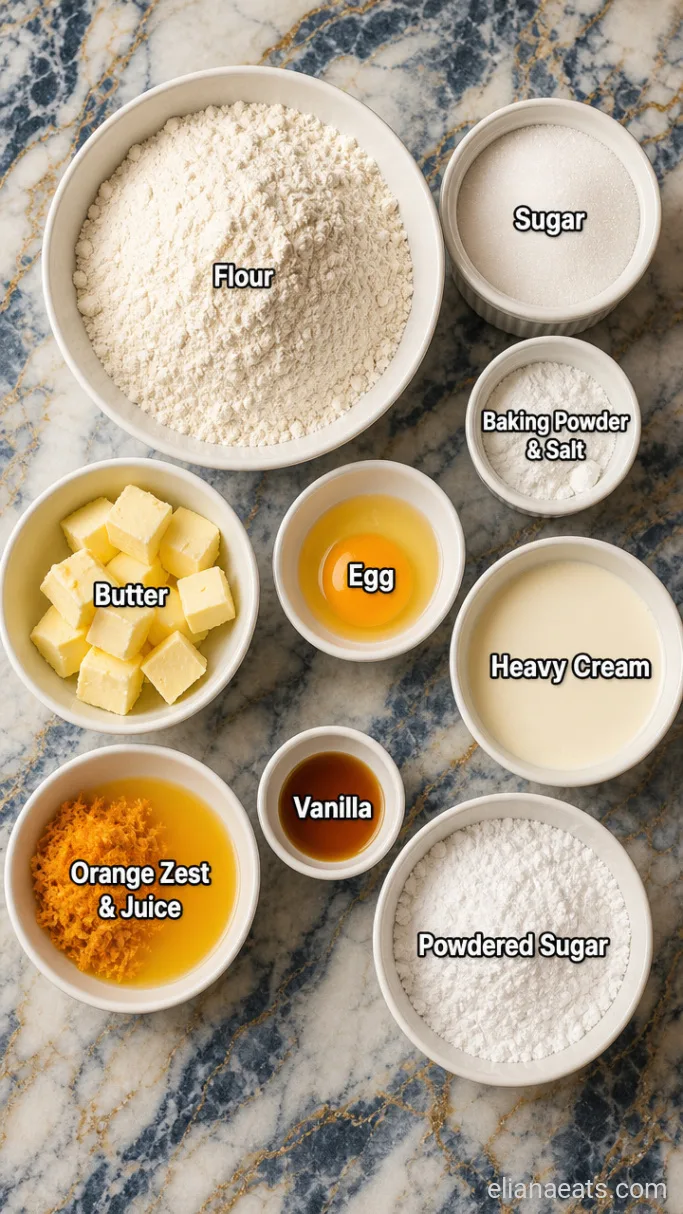
- 2 1/2 cups all-purpose flour: spoon and level it, a packed cup makes the scones dense
- 1/2 cup granulated sugar
- 1 tbsp baking powder: check the date, weak baking powder means flat scones
- 1/2 tsp salt
- 1/2 cup cold unsalted butter, cubed: the colder the better, it’s what makes the layers
- 1 large egg
- 1/2 cup heavy cream, plus extra for brushing
- 1 tbsp orange zest: from about 1 large orange, zest before you juice it
- 2 tbsp orange juice, for the dough: fresh squeezed tastes brighter than bottled
- 1 tsp vanilla extract
- 1 cup powdered sugar, for the glaze
- 2 tbsp orange juice, for the glaze
- 1 tsp orange zest, for the glaze
Variations / Substitutions
- Whole wheat swap: replace up to half the 2 1/2 cups flour with white whole wheat flour for a nuttier scone with slightly less rise.
- Dairy-free version: use cold vegan butter and a canned coconut cream in place of the heavy cream, the scones bake up just as flaky.
- Warm spice add-in: fold in 1/2 tsp cardamom or cinnamon with the dry ingredients for a warmer background note under the orange.
- Lemon instead of orange: swap the zest and juice in both the dough and glaze for lemon, and you get a sharper, tangier scone.
- Extra citrus punch: stir 1/2 cup dried cranberries into the dough with the wet ingredients for a chewy, tart bite in every piece.
- Sweetener swap: light brown sugar in place of the granulated sugar adds a faint caramel note without changing the texture.
If you like this one, my lemon poppy seed scones follow the same method and are worth trying next.
How to Make Buttery Copycat Panera Orange Scones
Step 1: Whisk the Dry Ingredients
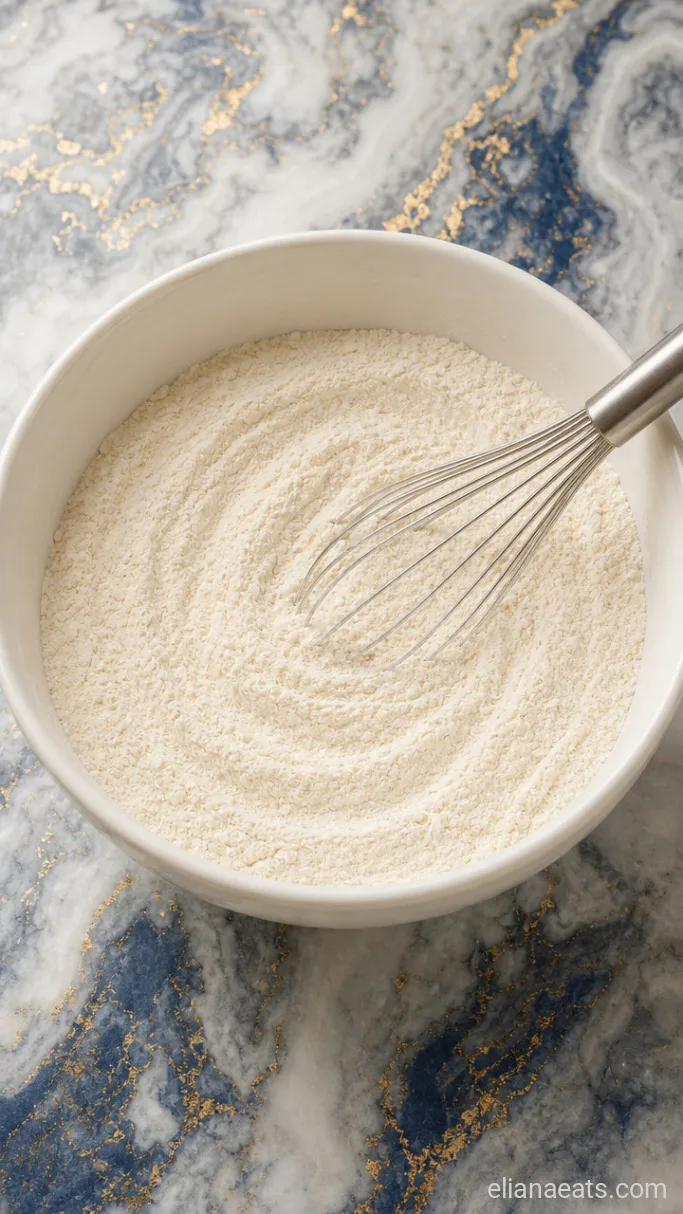
In a large bowl, whisk together the 2 1/2 cups flour, 1/2 cup granulated sugar, 1 tbsp baking powder, and 1/2 tsp salt. Add the 1 tbsp orange zest and rub it into the sugar with your fingers for a few seconds before whisking again.
The mixture should smell like orange peel almost immediately and look pale yellow from the zest oils. This step takes about 2 minutes and sets the flavor base for the whole batch.
Step 2: Cut in the Butter
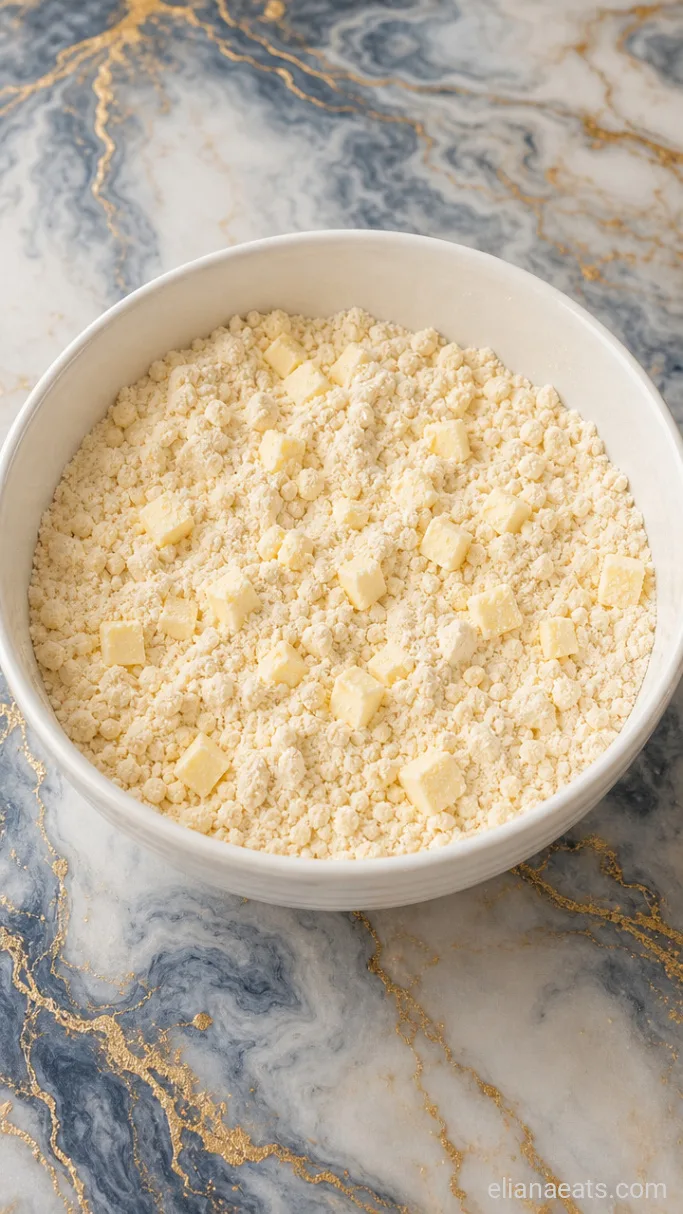
Scatter the 1/2 cup cold cubed butter over the dry mix and work it in with a pastry cutter or your fingertips until the biggest pieces are about pea-sized, roughly 2 minutes of work. Keep your hands moving quickly so the butter doesn’t melt into the flour.
You’re looking for a shaggy, sandy texture with visible flecks of butter still intact, not a smooth paste. Those butter flecks are what puff up into flaky layers in the oven, so don’t overwork it here even if it looks messy.
Step 3: Fold in the Wet Ingredients
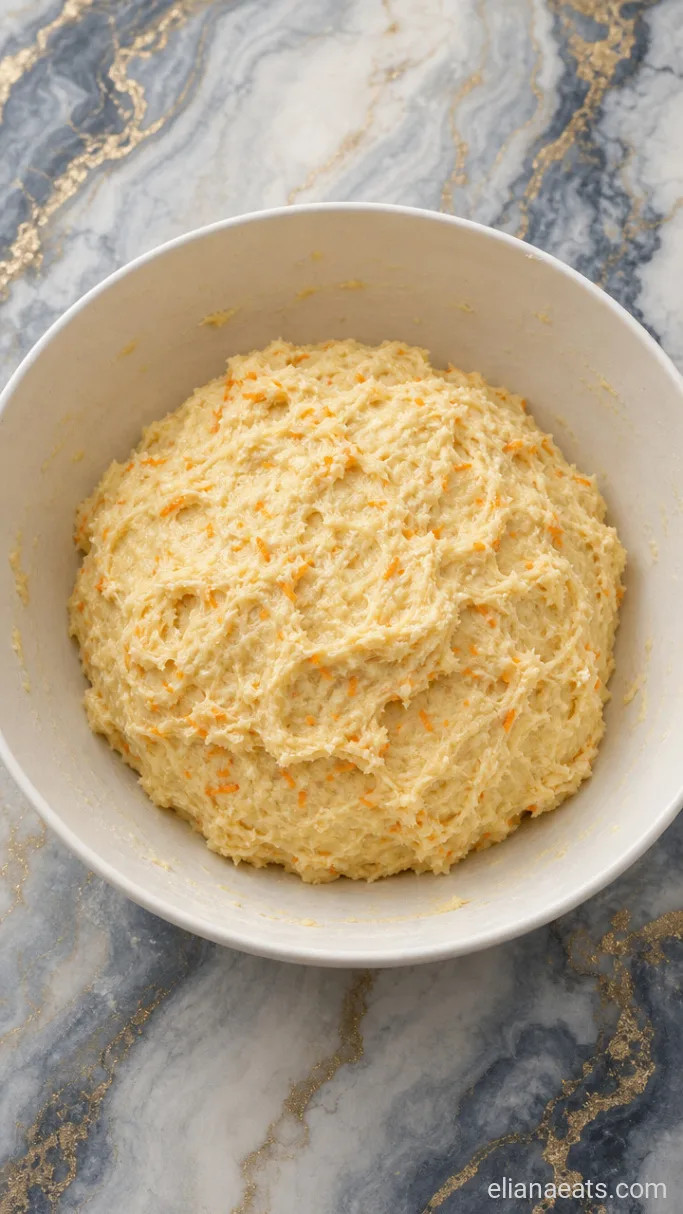
In a small bowl, whisk the 1 large egg, 1/2 cup heavy cream, 2 tbsp orange juice, and 1 tsp vanilla extract until combined. Pour it into the flour mixture and fold with a spatula just until a shaggy dough forms, about 30 seconds of stirring.
The dough will look rough and a little wet in spots, and that’s normal. Turn it onto a floured counter and pat it into an 8-inch round about 1 inch thick, then cut it into 8 wedges like a pie.
Step 4: Bake the Scones
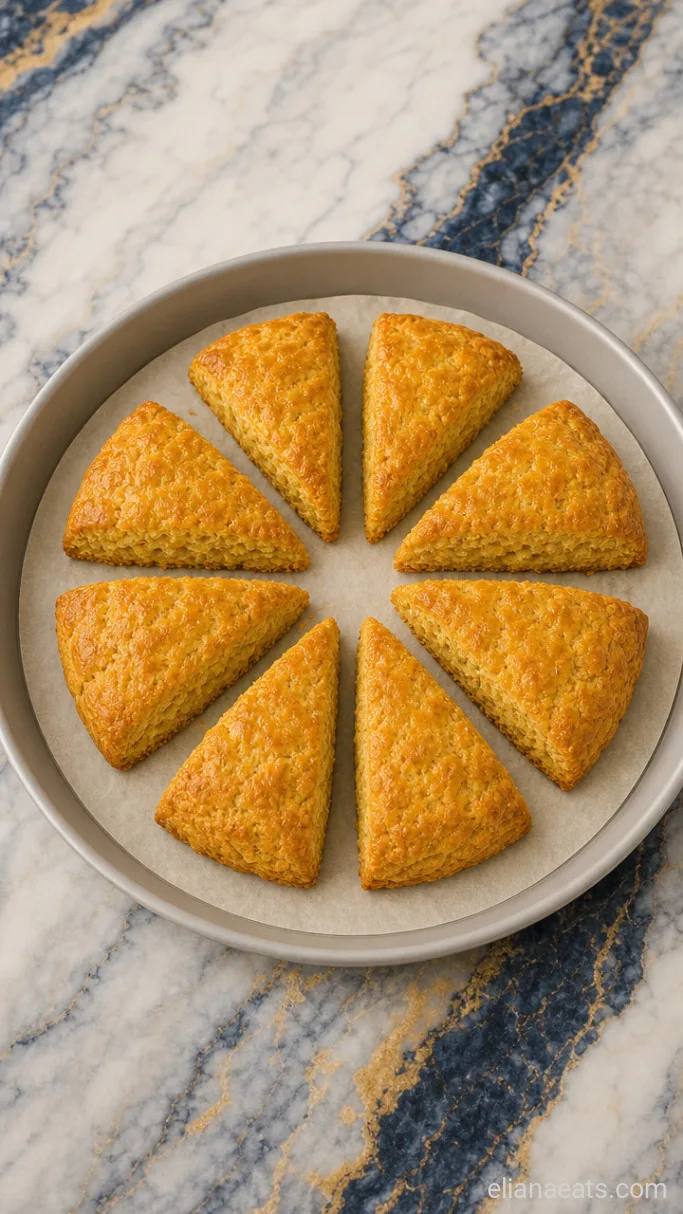
Preheat your oven to 400°F (200°C) and line a baking sheet with parchment. Arrange the 8 wedges a couple inches apart, brush the tops with a little extra heavy cream, and bake for 18 to 20 minutes, until the tops are deep golden and a toothpick from the center comes out clean.
The edges should look crisp and lightly browned while the centers stay pale gold, a sign the inside is still tender. Let the scones cool on the pan for 5 minutes before moving them, since they’re fragile straight out of the oven.
Step 5: Glaze and Slice

Whisk the 1 cup powdered sugar, 2 tbsp orange juice, and 1 tsp orange zest together in a small bowl until smooth and pourable. Drizzle it generously over the warm scones, letting it drip down the sides, and let it set for about 5 minutes before serving.
Serve them while the glaze is still slightly glossy and the inside is warm, and the orange smell will be at its strongest right then.
A Few Notes Before You Start
- Chill the shaped wedges in the freezer for 10 minutes before baking if your kitchen is warm, it keeps the butter solid longer and gives a taller rise.
- Measure your flour by spooning it into the cup and leveling it off, scooping straight from the bag packs in extra flour and dries out the scone.
- Use a sharp knife or bench scraper to cut the wedges in one clean motion rather than sawing, which keeps the layers from smearing shut.
- Zest the orange before juicing it, it’s much easier to get clean zest off a whole orange than one that’s already been squeezed.
Bake times shift a little with scone size, so use this as a guide.
| Scone Size | Oven Temp | Bake Time |
|---|---|---|
| Standard wedge (8 per batch) | 400°F (200°C) | 18-20 mins |
| Mini wedge (16 per batch) | 400°F (200°C) | 13-15 mins |
| Extra-large wedge (6 per batch) | 375°F (190°C) | 22-24 mins |
Keeping Orange Scones Fresh
Refrigerate: Store cooled, glazed scones in an airtight container in the fridge for up to 4 days.
Reheating: Warm a scone in a 300°F (150°C) oven for 5 to 6 minutes to bring back the crisp edges, or microwave for 15 seconds if you’re short on time.
Serve Cold: They’re also good straight from the fridge with coffee if you don’t feel like reheating, the glaze firms up nicely when chilled.
What to Serve With Orange Scones
A cup of strong black coffee cuts through the sweetness of the glaze, so the citrus in the scone actually stands out more against the bitterness. Fresh berries on the side add a tart contrast that plays well with the orange without competing with it. If you want a full breakfast spread, soft scrambled eggs balance the meal since they’re savory and add protein next to the sweeter scone.
Frequently Asked Questions
Can I freeze the scone dough before baking?
Yes, shape the wedges, freeze them on a tray until solid, then transfer to a bag. Bake straight from frozen, adding 3 to 4 extra minutes to the bake time.
Can I use self-rising flour instead of all-purpose and baking powder?
Yes, if you use self-rising flour, skip the 1 tbsp baking powder and the 1/2 tsp salt since both are already in the flour. The texture comes out nearly identical.
What can I substitute for heavy cream?
Half-and-half works in a pinch and gives a slightly less rich crumb, but avoid milk alone since it doesn’t have enough fat to keep the scones tender.
Do I need fresh orange zest, or can I use extract instead?
Fresh zest gives you the oils that carry the real citrus smell, so it’s worth using over extract. If you only have extract, 1/2 tsp orange extract in the dough is a reasonable stand-in, though the flavor will be flatter.
Buttery Copycat Panera Orange Scones Recipe
Ingredients
Method
- Whisk the flour, sugar, baking powder, and salt together, then rub in the orange zest.
- Cut the cold butter into the dry mixture until pea-sized crumbs form.
- Whisk the egg, cream, orange juice, and vanilla, fold into the dry mixture, then pat into an 8-inch round and cut into 8 wedges.
- Preheat the oven to 400°F (200°C), brush the wedges with cream, and bake 18 to 20 minutes until golden.
- Whisk the glaze ingredients together and drizzle over the warm scones before serving.
