
Panda Express Lo Mein Copycat Recipe

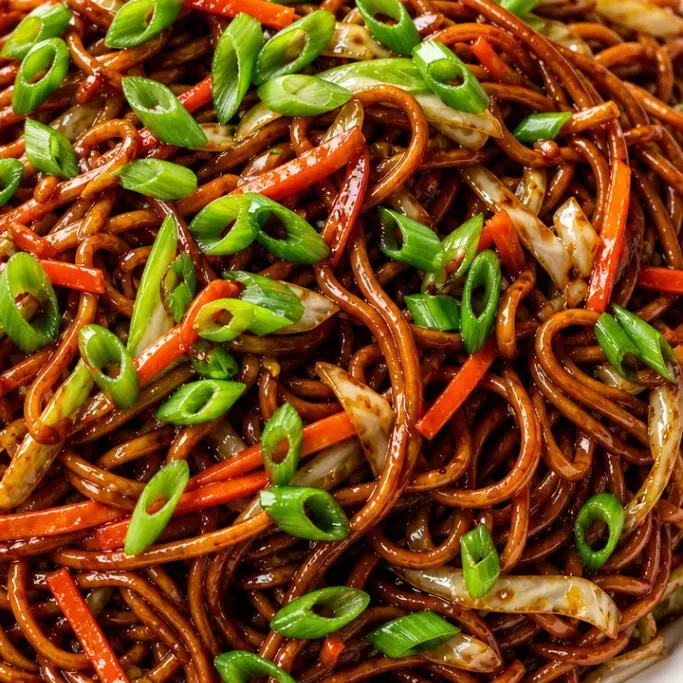
This Panda Express lo mein recipe gives you the same glossy, savory noodles from the restaurant, made in your own kitchen in about 25 minutes. It’s the kind of weeknight dinner that actually comes together fast, and you probably already have most of the sauce ingredients on hand.
The noodles are soft with just a little chew, coated in a soy and sesame sauce that’s salty, slightly sweet, and faintly smoky from the high heat. If you’ve been ordering it as a side dish for years, this one will feel familiar from the first bite.
Why I Love This Recipe
This is the version I keep coming back to when I want something fast that still tastes like actual food. The sauce hits that balance of salty and sweet without being cloying, and the vegetables stay tender-crisp rather than soggy.
The trick is high heat and a hot pan before anything goes in. That’s what gives the noodles their slightly caramelized edges instead of a steamed, gummy texture.
It comes together in one wok or skillet, which means one pan to wash. That’s reason enough some nights.
Recipe Ingredients
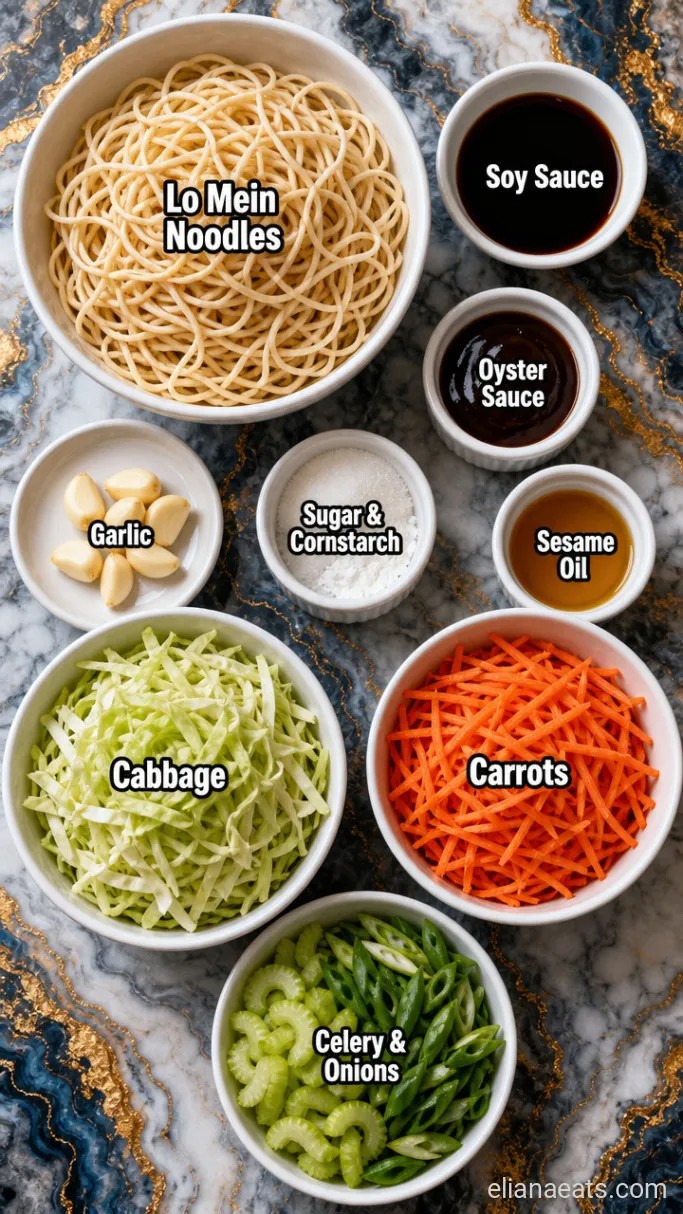
- 8 oz lo mein noodles – Fresh or dried both work; fresh cook faster and give a silkier texture
- 3 tbsp soy sauce – Low-sodium works fine if you’re watching salt
- 1 tbsp oyster sauce – Adds depth and a faint sweetness; skip or use hoisin for vegetarian
- 1 tbsp sesame oil – Toasted sesame oil only, not plain; it’s the backbone of the flavor
- 1 tsp sugar – Balances the salt; brown sugar adds a slightly deeper note
- 2 tbsp vegetable oil – High smoke point for the stir-fry; canola or avocado oil also work
- 3 cloves garlic – Minced; fresh only, not garlic powder
- 1 cup shredded cabbage – Green cabbage; adds bulk and a gentle crunch
- 1 cup julienned carrots – About 1 medium carrot; cut thin so they soften quickly
- 3 stalks celery – Sliced thin on the diagonal; this is what Panda uses and it adds snap
- 3 green onions – Sliced, whites and greens separated; whites go in with the veg, greens for garnish
- 1 tsp cornstarch – Helps the sauce cling to the noodles
Variations / Substitutions
- Hoisin instead of oyster sauce – Keeps the dish vegetarian and adds a slightly more robust sweetness.
- Rice noodles instead of lo mein noodles – The texture is lighter and a little more slippery, still good with the same sauce.
- Add protein – Thinly sliced chicken breast, shrimp, or extra-firm tofu all work; cook them in the oiled pan first, set aside, and toss back in at the end.
- Crushed red pepper – Add 1/4 to 1/2 tsp to the sauce if you want a little heat running through the whole dish.
- Coconut aminos instead of soy sauce – Slightly sweeter and lower in sodium; the flavor is a bit milder overall.
- Broccoli instead of cabbage – Small florets add more bite; blanch them for 2 minutes before stir-frying so they cook through in time.
If you want something to serve alongside this, Panda Express Fried Rice Recipe is a natural companion.
How To Make Lo Mein
Step 1: Boil the Noodles
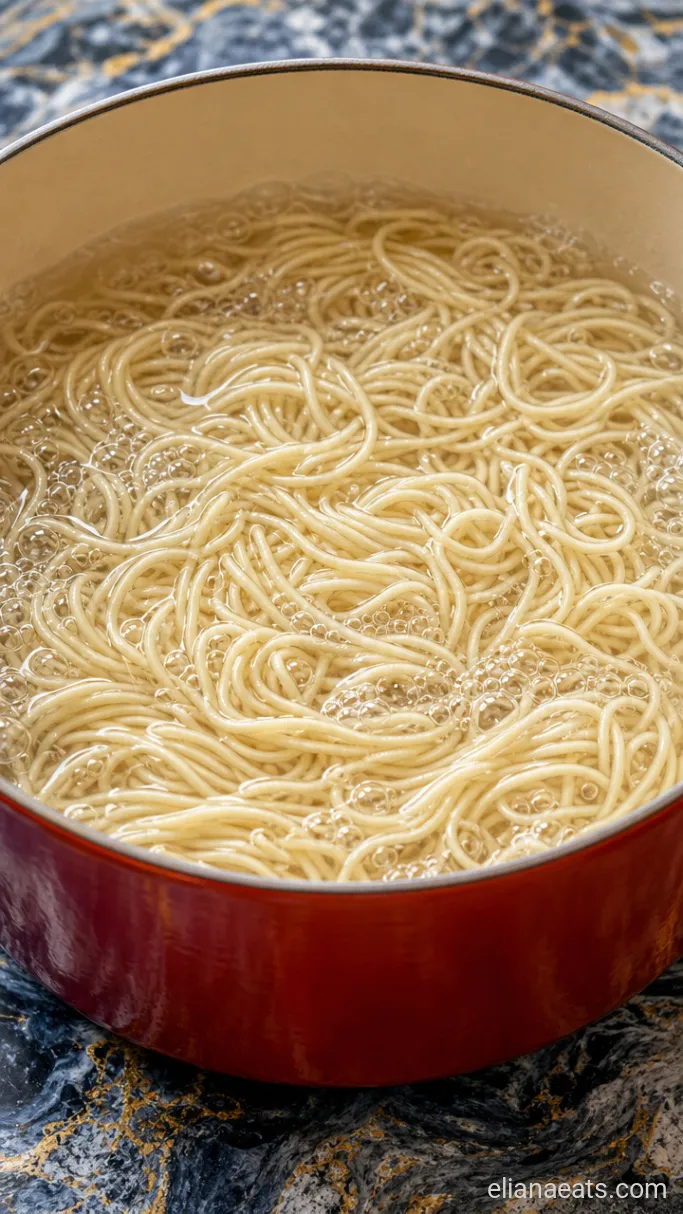
Bring a large pot of water to a boil over high heat, then cook the 8 oz lo mein noodles for 1 minute less than the package directs. You’re deliberately undercooking them here because they’ll finish in the wok. Drain them, rinse with cold water to stop the cooking, and toss with a small drizzle of vegetable oil so they don’t stick together.
While the noodles drain, mix the sauce. In a small bowl, whisk together the 3 tbsp soy sauce, 1 tbsp oyster sauce, 1 tbsp sesame oil, 1 tsp sugar, and 1 tsp cornstarch until the cornstarch is fully dissolved to create your sauce mixture. Set it right next to the stove because once the wok gets going, things move quickly.
Step 2: Sear the Vegetables
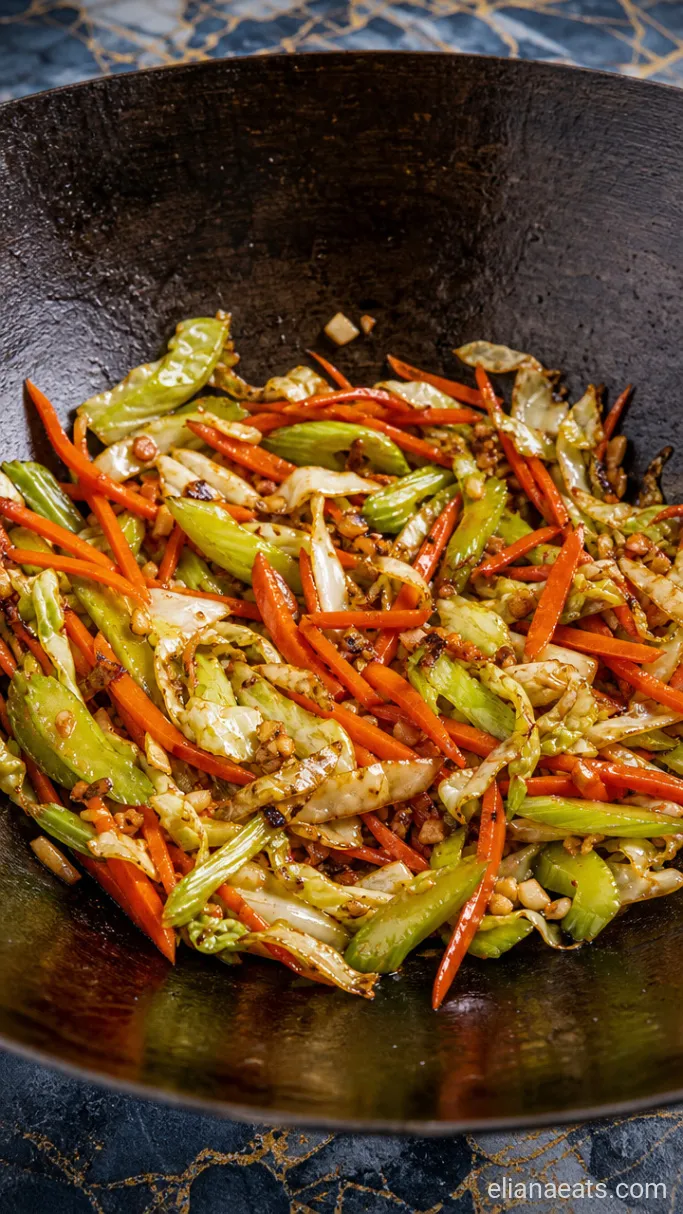
Heat a wok or large skillet over high heat for about 1 to 2 minutes, until it’s visibly hot. Add the 2 tbsp vegetable oil and swirl it around, then add the 3 minced garlic cloves and the white parts of the 3 green onions. Stir constantly for about 30 seconds, until the garlic is fragrant but not brown.
Add the 1 cup shredded cabbage, 1 cup julienned carrots, and 3 stalks sliced celery. Spread them out in the pan and let them sit undisturbed for about 1 minute, then toss. You want a little color on the edges of the cabbage, not a full steam. Total time in the pan for the vegetables is about 3 to 4 minutes; they should soften slightly but still have some snap when you press them with a spoon.
Step 3: Toss the Noodles
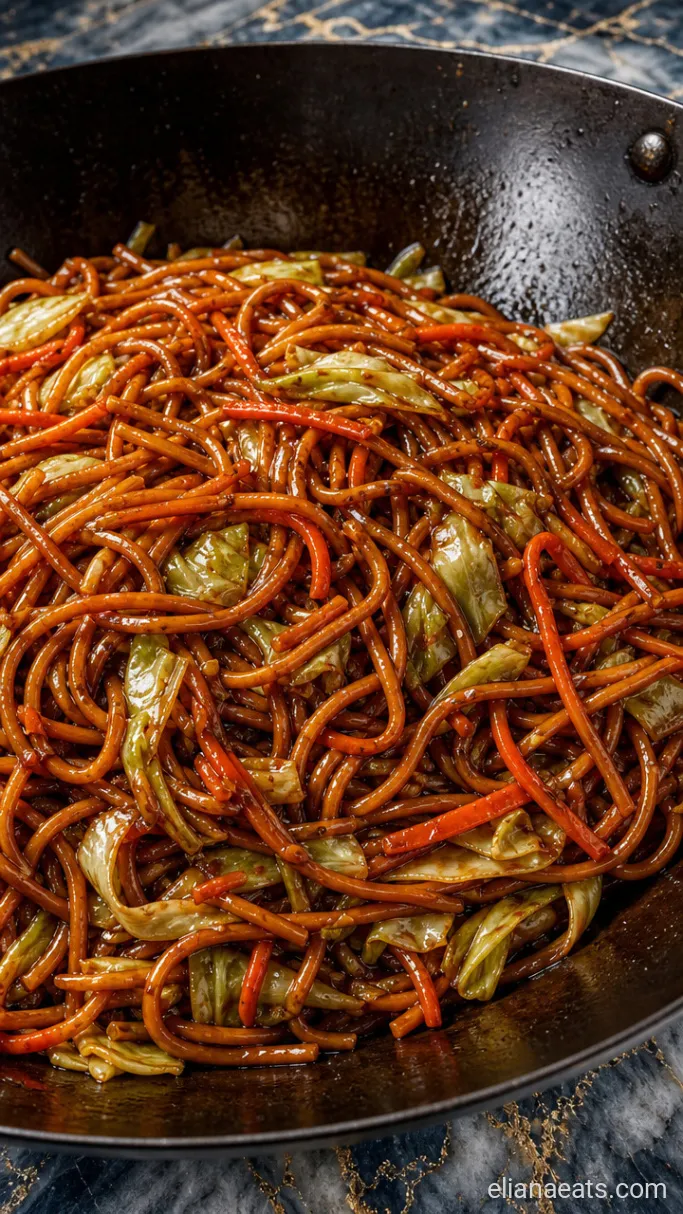
Add the drained noodles to the pan and toss everything together over high heat for about 1 minute. Use tongs or two wooden spoons to get the noodles moving and pull the vegetables up through them. The noodles will pick up a bit of the char from the pan, which is exactly what you want.
Pour the sauce evenly over the noodles. Keep tossing for another 1 to 2 minutes until every strand is coated and the sauce has thickened into a glossy film around the noodles. If it looks dry at any point, add 1 to 2 tbsp of water and toss again.
Step 4: Plate and Garnish
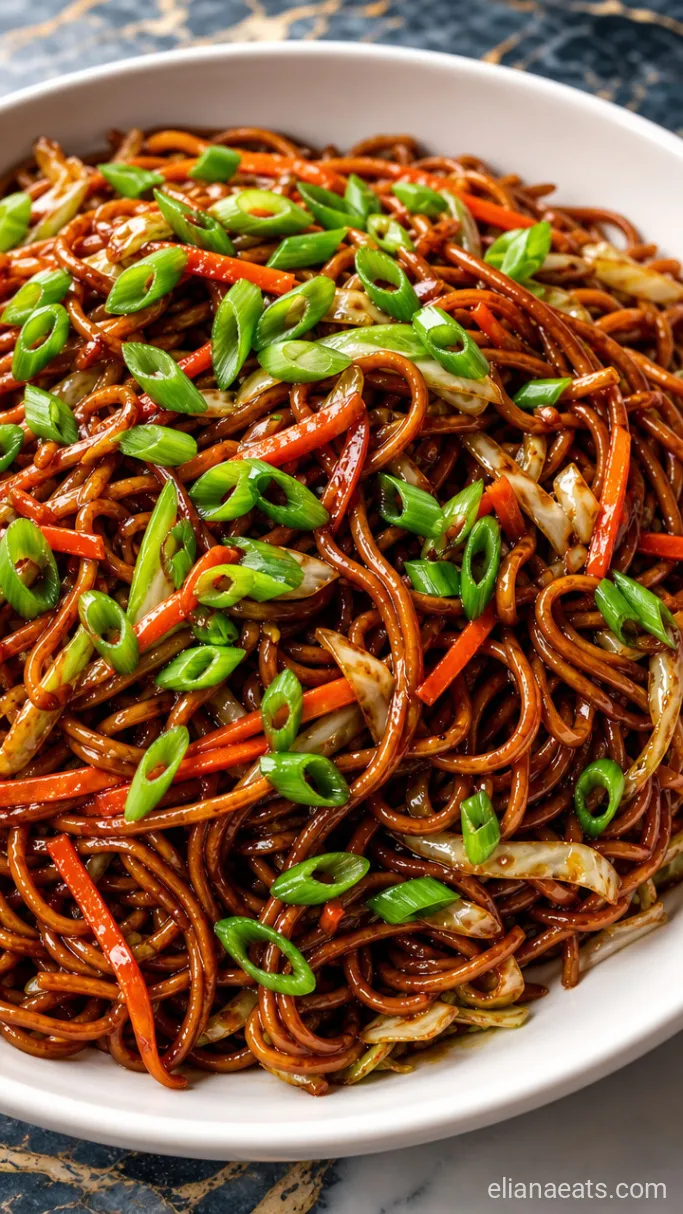
Transfer the lo mein to a large serving bowl or individual plates. Scatter the green parts of the 3 green onions over the top and give everything one last toss so the garnish lands throughout rather than just on the surface. Serve immediately while the noodles are still glossy and hot.
Recipe Tips
- Don’t skip the cold rinse. Rinsing the noodles after draining stops the cooking and removes excess starch, which is what causes them to clump into a gummy mass in the pan.
- High heat is not optional. A medium-hot pan will steam the vegetables instead of searing them, and the noodles will get soft rather than picking up any color. Give the pan a full minute or two to heat before adding oil.
- Prep everything before the heat goes on. Slicing, mincing, and mixing the sauce takes about 10 minutes. Once the wok is hot, the whole dish takes about 5 to 6 minutes, so there’s no time to chop mid-cook.
- Add water if needed. If the sauce tightens up too fast or the noodles look dry, a splash of water (1 to 2 tbsp) loosens everything without changing the flavor.
Cook times vary a little depending on your pan and stove. Here’s a rough timing guide by heat source:
| Heat Source | Vegetable Sear | Noodle Toss | Total Stir-Fry |
|---|---|---|---|
| Gas wok | 2 to 3 mins | 2 to 3 mins | 4 to 6 mins |
| Electric skillet | 3 to 4 mins | 2 to 3 mins | 5 to 7 mins |
| Induction wok | 2 to 3 mins | 2 to 3 mins | 4 to 6 mins |
How To Store
- Refrigerate – Store leftovers in an airtight container for up to 3 days. The noodles will absorb the sauce as they sit, so they’ll be less saucy on day two.
- Reheating – Reheat in a skillet over medium-high heat with 1 to 2 tbsp of water to loosen the noodles, tossing for 2 to 3 minutes. The microwave works in a pinch but the texture is softer.
What To Serve With Lo Mein
Lo mein works well as a side alongside something with a sauce or crust that contrasts the soft noodles. Crispy baked or pan-fried tofu adds a firm, chewy texture that the noodles don’t have on their own. A simple cucumber salad dressed with rice vinegar and a little chili oil cuts through the richness of the sesame sauce and refreshes the palate. If you’re serving a crowd, a bowl of egg drop soup alongside it rounds out the meal without competing with the noodles for attention.
Frequently Asked Questions
Can I make this gluten-free?
Yes. Use tamari instead of soy sauce, skip the oyster sauce or use a gluten-free version, and swap the lo mein noodles for rice noodles.
Can I make the sauce ahead of time?
Yes, you can mix the sauce up to 3 days ahead and keep it in a jar in the fridge. Give it a stir before using since the cornstarch settles to the bottom.
My noodles turned out gummy. What went wrong?
The most common cause is either too much starch left on the noodles or a pan that wasn’t hot enough. Make sure you rinse the noodles with cold water after draining and let the pan fully heat before adding oil.
Can I double the recipe?
You can double the sauce and ingredients, but cook them in 2 batches rather than crowding the pan. Overcrowding drops the heat and you’ll steam instead of sear.
—
Lo Mein Recipe
Ingredients
Method
- Boil the lo mein noodles for 1 minute less than the package directs, drain, rinse with cold water, and toss with a small drizzle of vegetable oil. Whisk together the soy sauce, oyster sauce, sesame oil, sugar, and cornstarch in a small bowl and set aside.
- Heat a wok or large skillet over high heat for 1 to 2 minutes. Add the vegetable oil, then the minced garlic and white parts of the green onions. Stir for 30 seconds, then add the cabbage, carrots, and celery. Sear over high heat for 3 to 4 minutes, tossing once halfway through, until slightly softened with a little color on the edges.
- Add the drained noodles and toss over high heat for 1 minute. Pour the sauce over the noodles and toss for another 1 to 2 minutes until fully coated and glossy. Add 1 to 2 tbsp water if the sauce tightens too quickly.
- Transfer to a serving bowl, scatter the green onion tops over the top, and serve immediately.
