
Panda Express Chow Mein Copycat Recipe

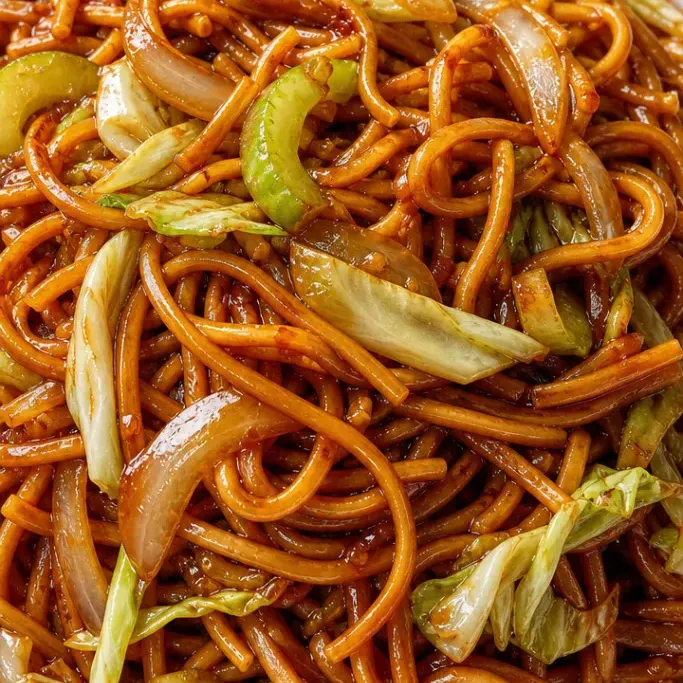
This Panda Express chow mein recipe gives you that exact noodle dish from the orange tray, made at home in about 20 minutes. It’s a great weeknight side that goes with almost anything, and once you’ve made it once, you won’t need the drive-through.
The key is a screaming-hot pan and a few pantry staples you probably already have. Get those two things right and the rest takes care of itself.
Why I Love This Recipe
The noodles come out with those slightly chewy, lightly charred edges that you only get from real wok heat, and the soy and sesame coating is savory without being heavy.
It’s one of those recipes that actually tastes more like the real thing than you’d expect, because the original isn’t complicated. A hot pan, good noodles, and the right ratio of soy to oyster sauce does most of the work.
This is the version I keep coming back to on busy nights.
Recipe Ingredients
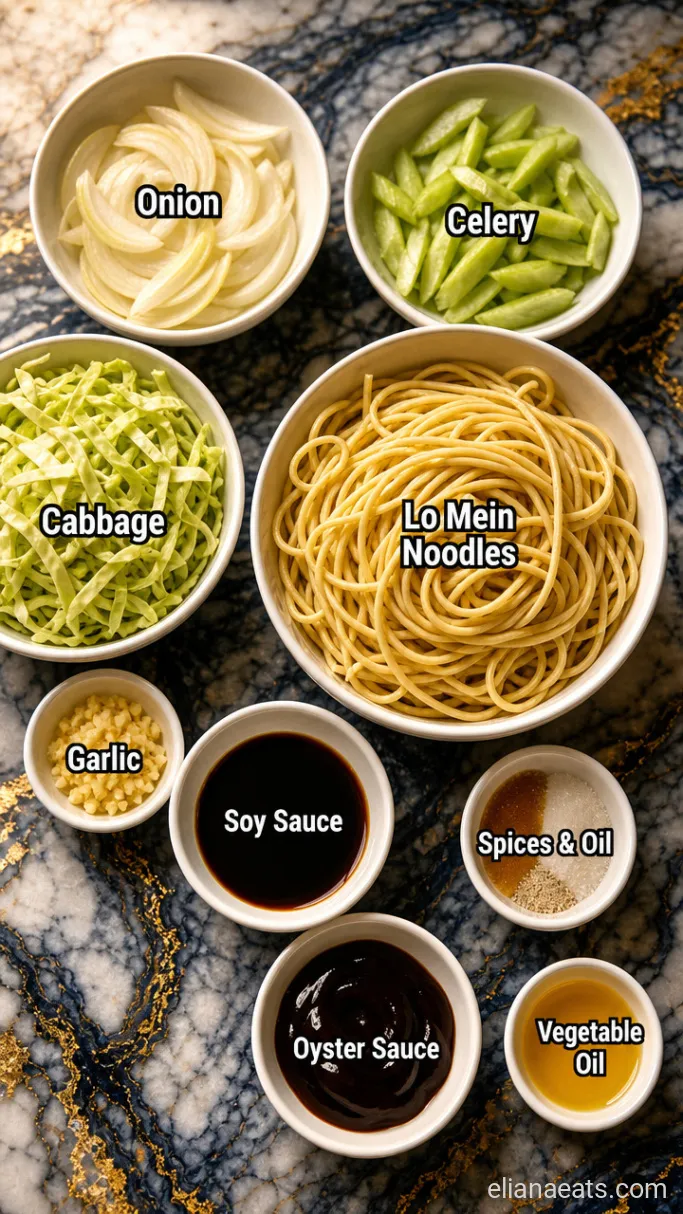
- 8 oz fresh lo mein noodles – Look for these in the refrigerated section; dried spaghetti works in a pinch but fresh noodles give a better chew
- 2 tbsp vegetable oil – High smoke point is important here; canola works too
- 1 medium yellow onion, sliced – Sliced into half-moons about ¼ inch thick
- 2 stalks celery, sliced on the diagonal – About ¼ inch thick; this is classic Panda Express, don’t skip it
- 2 cups green cabbage, shredded – Adds bulk and a slight sweetness when it wilts
- 3 cloves garlic, minced – Fresh only; jarred garlic won’t caramelize the same way
- 3 tbsp soy sauce – Regular (not low-sodium); this is the backbone of the sauce
- 1 tbsp oyster sauce – Adds depth and a slight sticky sweetness
- 1 tsp sesame oil – Added at the end, not for cooking; it’s for fragrance
- ½ tsp sugar – Balances the salt; don’t skip it
- ¼ tsp white pepper – Milder than black pepper and more authentic to the flavor
Variations / Substitutions
- Gluten-free – Use rice noodles and swap soy sauce for tamari and oyster sauce for a gluten-free hoisin; the flavor is slightly sweeter but still works well.
- Vegan – Replace oyster sauce with hoisin sauce or a vegan oyster-style sauce; the dish loses a little savory depth but gains a pleasant sweetness.
- Add protein – Slice 6 oz of chicken breast, shrimp, or extra-firm tofu thin and stir-fry it in the oiled pan for 3 to 4 minutes before the vegetables, then set it aside and add it back in the final toss.
- More heat – Add ½ tsp chili garlic sauce to the sauce mixture for a low kick, or a full teaspoon if you want it noticeable.
- Cabbage swap – Napa cabbage wilts faster than green cabbage and has a more delicate texture; use the same 2 cups but reduce the stir-fry time by about 1 minute.
- No oyster sauce – Use an extra 1 tbsp soy sauce plus ½ tsp hoisin as a substitute; it’s slightly less complex but still tasty.
If you want something to serve alongside this, check out the Beijing Beef recipe from Panda Express for a great pairing.
How To Make Chow Mein
Step 1: Cook the Noodles
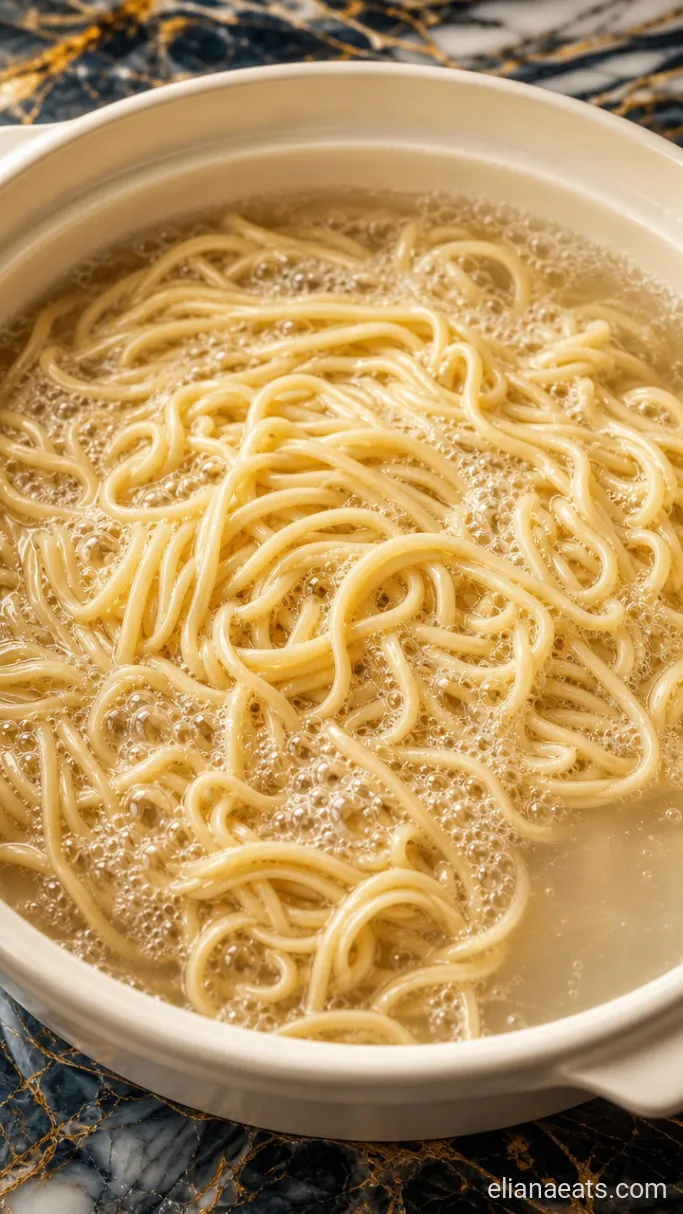
Bring a large pot of unsalted water to a boil, then add the 8 oz fresh lo mein noodles and cook for 2 minutes, just until barely tender. You want them slightly underdone because they’ll finish cooking in the hot pan. Drain and rinse under cold water to stop the cooking, then toss them with a tiny drizzle of oil so they don’t clump together while you prep the rest.
The noodles should feel a little firm when you bite one, not fully cooked through. That firm center is exactly what you want right now.
Step 2: Stir-Fry the Vegetables
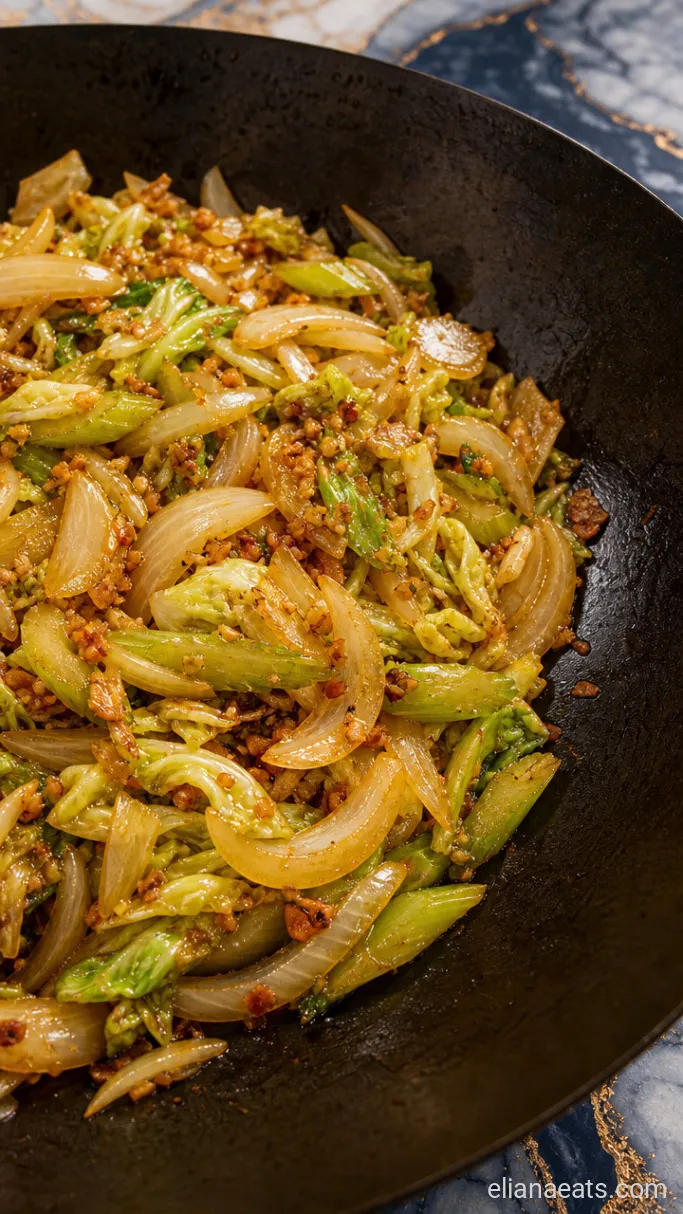
Heat a large wok or the widest skillet you have over high heat for about 2 minutes until it’s very hot, then add the 2 tbsp vegetable oil and swirl to coat. Add the sliced onion and sliced celery and stir-fry for 3 minutes, keeping things moving constantly. Add the 2 cups shredded cabbage and the 3 cloves minced garlic and cook for another 2 minutes, until the cabbage starts to wilt and the garlic is fragrant.
The vegetables should have a little char on the edges and the cabbage will look glossy and soft. That’s the sign the pan is hot enough and you’re on the right track.
Step 3: Toss in the Noodles
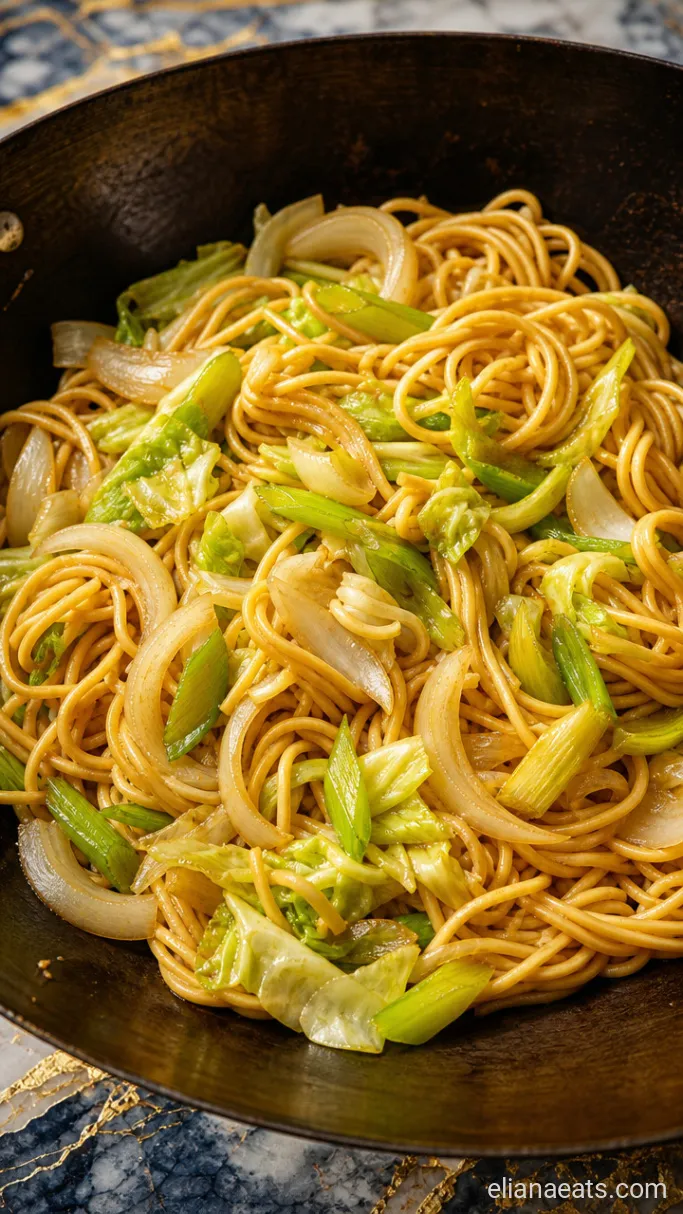
Add the drained noodles straight into the pan with the vegetables and toss everything together for 1 minute over high heat, using tongs or two spatulas to keep things moving. You want the noodles to pick up some color and touch the hot surface of the pan, not just steam in a pile. Don’t walk away here; this is the step that gives you those slightly chewy, slightly charred edges.
The noodles will start to smell toasty and look a little golden in spots. That’s exactly what you’re after.
Step 4: Sauce and Finish the Noodles
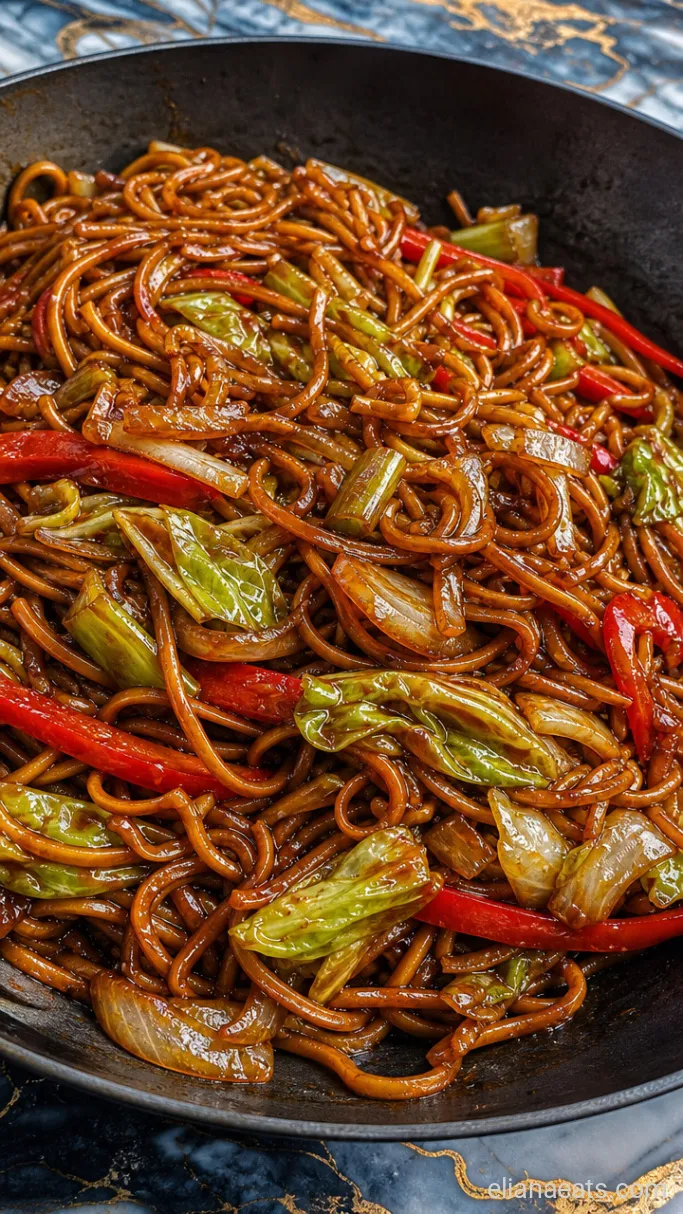
In a small bowl, stir together the 3 tbsp soy sauce, 1 tbsp oyster sauce, and ½ tsp sugar. Pour the sauce over the noodles and toss for another 1 to 2 minutes over high heat until every noodle is coated and the sauce has absorbed rather than pooled at the bottom of the pan. Remove the pan from the heat, drizzle over the 1 tsp sesame oil and sprinkle in the ¼ tsp white pepper, and give everything one final toss.
Step 5: Plate and Garnish
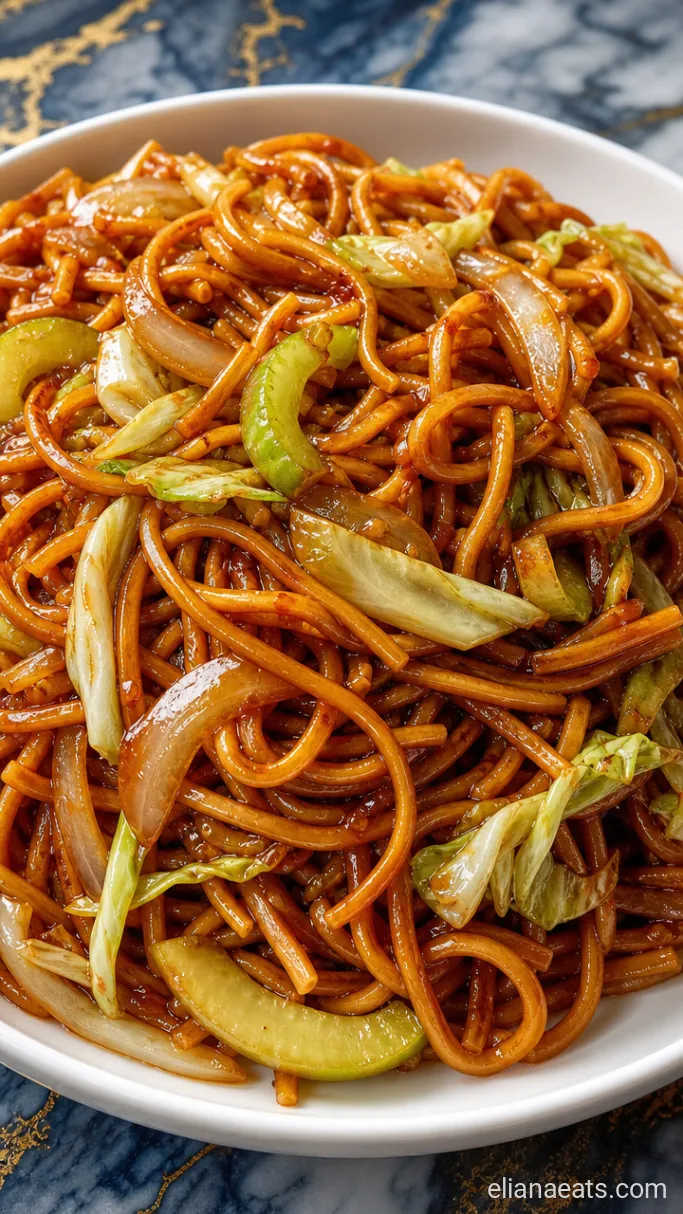
Pile the noodles into a wide, shallow serving bowl or plate, twisting them into a slight mound so they look as good as they taste. Finish with a light drizzle of extra sesame oil if you like, or a pinch of thinly sliced green onion on top for a pop of color.
Recipe Tips
- Use the highest heat your stove can manage. Wok cooking at home suffers from low BTUs compared to a restaurant, so preheating your pan for a full 2 minutes before the oil goes in makes a real difference in getting some char on the vegetables.
- Don’t overcrowd the pan. This recipe is sized for a 12-inch skillet or wok. If you double it, cook in two separate batches rather than cramming it all in, or you’ll steam the vegetables instead of frying them.
- Fresh noodles vs. dried. If you can’t find fresh lo mein, dry spaghetti cooked to just al dente is the closest substitute. Ramen noodles also work in a crunch, though they’re a little thinner.
- Mix the sauce before you start cooking. Once the noodles are in the hot pan, things move fast. Having the sauce ready in a bowl means you won’t scramble.
Cook times by noodle type and pan:
| Noodle Type | Pan | Stir-Fry Time (Step 4) |
|---|---|---|
| Fresh lo mein | Wok or 12-inch skillet | 1 to 2 mins |
| Dried spaghetti (al dente) | Wok or 12-inch skillet | 2 to 3 mins |
| Fresh ramen noodles | Wok or 12-inch skillet | 1 min |
How To Store
- Refrigerate – Store leftovers in an airtight container for up to 3 days. The noodles will absorb more sauce as they sit, so they’ll taste a little saltier the next day.
- Reheating – A hot skillet with a splash of water works better than the microwave; toss the noodles over medium-high heat for 2 to 3 minutes until warmed through and a little loose again. The microwave dries them out.
What To Serve With Chow Mein
Chow mein is a side dish at heart, so it wants a protein next to it. Orange chicken is the classic pairing because the sweet, tangy glaze on the chicken plays well against the savory, lightly smoky noodles. Kung pao chicken or a simple teriyaki salmon fillet also work well, both because the sauce on each has enough acidity to cut through the richness of the sesame and soy coating on the noodles.
Frequently Asked Questions
Can I make this ahead of time?
Yes, with a caveat. Cook the noodles and vegetables up to a day ahead, but don’t sauce them until you’re ready to serve or the noodles turn mushy. Store the sauce separately and toss everything in a hot pan for 3 to 4 minutes when you’re ready.
Why are my noodles sticking together?
They dried out before hitting the pan. Toss your drained noodles in a tiny bit of oil right after rinsing and don’t let them sit too long before stir-frying.
Can I use dark soy sauce instead of regular?
You can, but use only 1½ tbsp dark soy in place of 3 tbsp regular. Dark soy is stronger and much saltier, and it will turn the noodles very dark if you use the full amount.
Is this recipe spicy?
No, the base recipe has no heat. The white pepper adds a mild warmth but nothing most people would call spicy. Add chili garlic sauce if you want more bite.
—
Panda Express Chow Mein Recipe
Ingredients
Method
- Boil the 8 oz lo mein noodles in unsalted water for 2 minutes until just underdone, drain, rinse under cold water, and toss with a drizzle of oil.
- Heat a wok or large skillet over high heat for 2 minutes, add the 2 tbsp vegetable oil, then stir-fry the onion and celery for 3 minutes; add the cabbage and minced garlic and cook 2 more minutes until wilted.
- Add the drained noodles to the pan and toss with the vegetables for 1 minute over high heat until the noodles pick up color.
- Stir together the 3 tbsp soy sauce, 1 tbsp oyster sauce, and ½ tsp sugar, pour over the noodles, and toss for 1 to 2 minutes until absorbed; remove from heat and add the 1 tsp sesame oil and ¼ tsp white pepper.
- Pile the noodles into a serving bowl, twist into a mound, and finish with a light drizzle of sesame oil or sliced green onion.
