
IHOP Griddle Cakes Easy Copycat Recipe

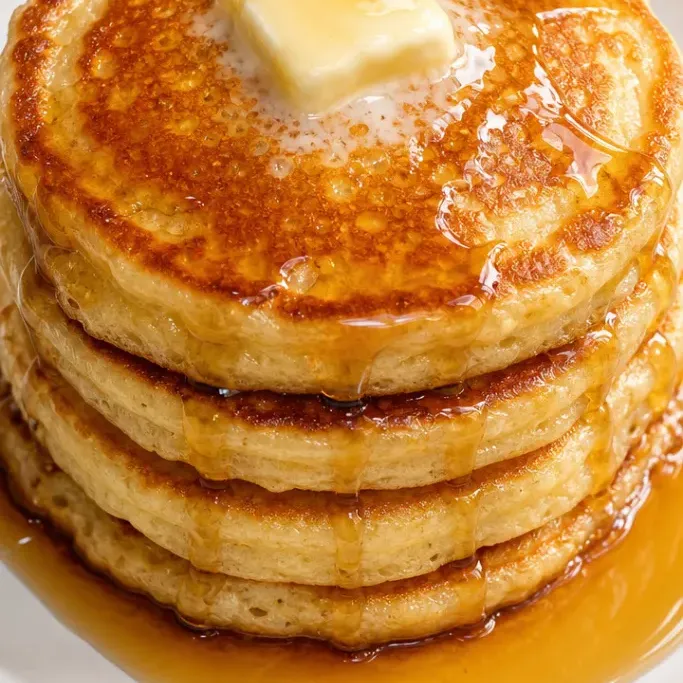
IHOP griddle cakes are those thick, fluffy, slightly tangy pancakes that feel impossible to recreate at home — but they’re not.
This copycat gets you there on a weeknight with pantry ingredients and one bowl.
Why I Love This Recipe
The edges get a little crisp from the butter on the pan while the inside stays almost custardy. That contrast is what makes them worth making.
Buttermilk is doing the real work here — the acid reacts with the baking soda to give you lift without making the pancakes feel bready or dense.
This is the version I keep coming back to on slow weekend mornings and busy Tuesday nights alike.
Recipe Ingredients
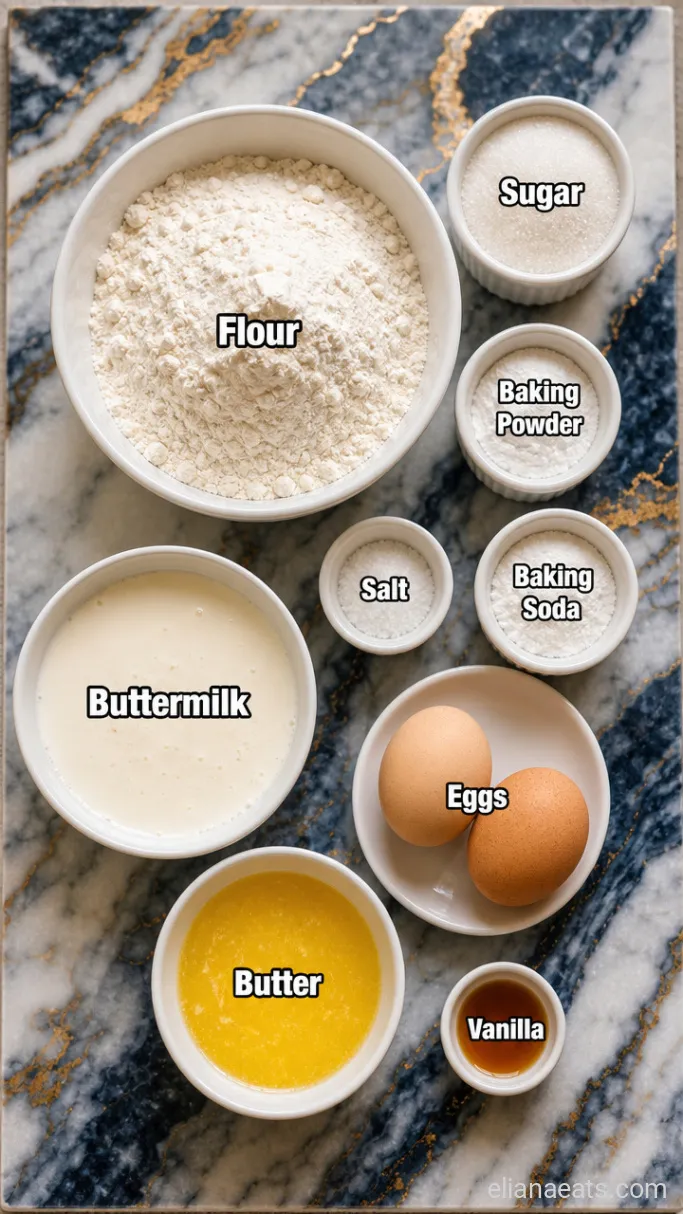
- 2 cups all-purpose flour – Standard flour works best; bread flour makes them too chewy
- 2 tbsp granulated sugar – Just enough to brown the edges without making them sweet-heavy
- 1 tsp baking powder – Works with the baking soda for a double-rise effect
- 1 tsp baking soda – Reacts with the buttermilk for lift and a slight tang
- 1/2 tsp salt – Balances the sugar and brings out the butter flavor
- 2 cups buttermilk – The key to that IHOP tang; see substitution note below
- 2 large eggs – Room temperature helps them incorporate evenly
- 3 tbsp unsalted butter, melted – Adds richness and helps the batter spread smoothly
- 1 tsp vanilla extract – Rounds out the flavor without overpowering
- 2 tbsp unsalted butter, for the pan – Use a little per batch; this is what gets you the crisp edge
Variations / Substitutions
- No buttermilk – Use 2 cups whole milk with 2 tbsp white vinegar stirred in; let it sit 5 minutes before using and you’ll get a similar tang and lift.
- Dairy-free – Swap the buttermilk for 2 cups oat milk with 2 tbsp apple cider vinegar, and use a neutral oil instead of the melted butter in the batter; the edges won’t be quite as rich but the texture holds.
- Gluten-free – A 1-to-1 gluten-free flour blend works here; the pancakes will be slightly denser and may need an extra 30 seconds per side.
- Extra richness – Replace 1/4 cup of the buttermilk with sour cream for a slightly thicker, tangier batter.
- Blueberry griddle cakes – Fold 3/4 cup fresh blueberries into the finished batter just before cooking; fresh work better than frozen here because frozen release too much liquid.
- Sweeter stack – Add 1 tbsp extra sugar and 1/2 tsp cinnamon to the dry ingredients for a version that sits closer to a sweet breakfast cake.
If you like this style of from-scratch breakfast, the Bisquick Pancake Recipe is worth checking out as a comparison.
How To Make Griddle Cakes
Step 1: Whisk the Dry Ingredients
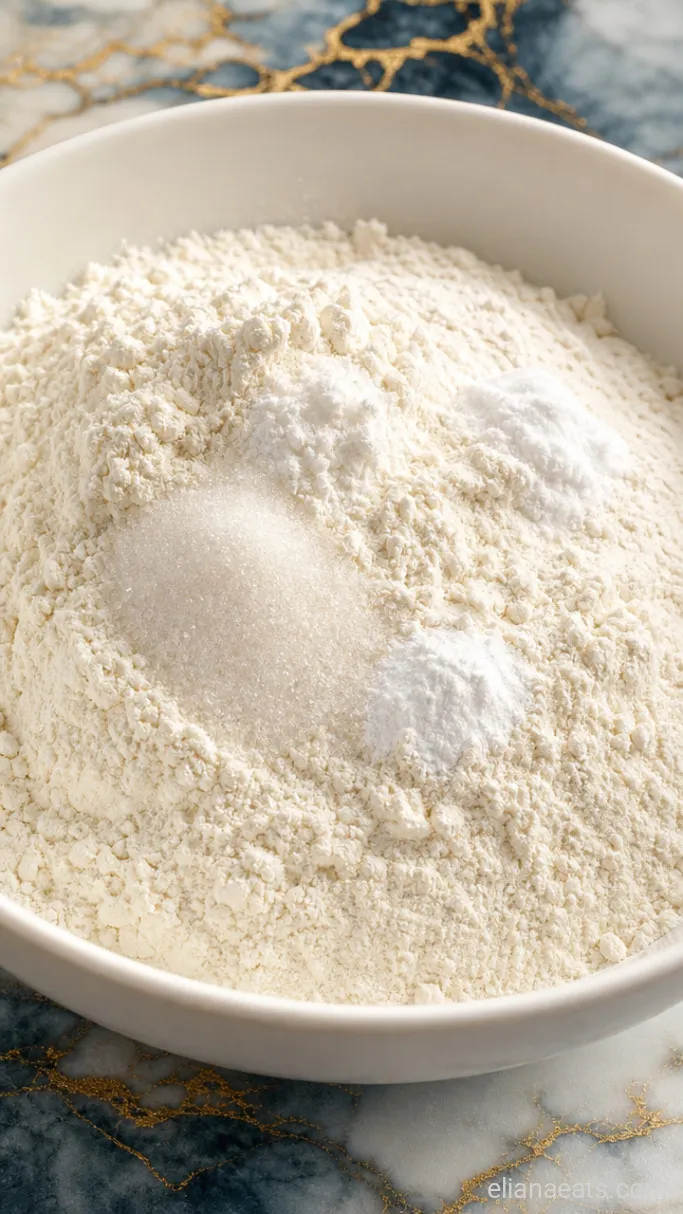
In a large bowl, whisk together the 2 cups all-purpose flour, 2 tbsp granulated sugar, 1 tsp baking powder, 1 tsp baking soda, and 1/2 tsp salt. Get them fully combined so you don’t end up with a pocket of baking soda in any one pancake.
The mixture should look uniform and pale. No streaks, no lumps of flour sitting at the bottom.
Step 2: Blend the Wet Ingredients
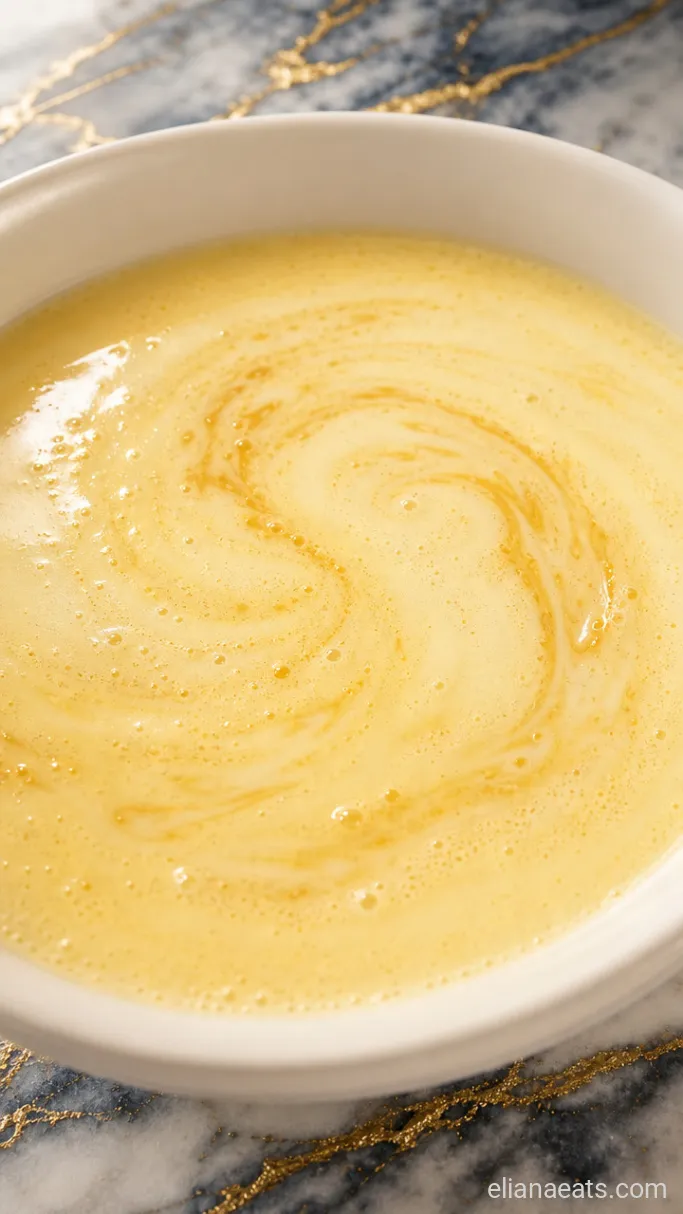
In a separate bowl or large measuring cup, whisk together the 2 cups buttermilk, 2 large eggs, 3 tbsp melted unsalted butter, and 1 tsp vanilla extract until the eggs are fully broken up, about 30 seconds of steady whisking.
You’ll see small bubbles start to form on the surface. That’s the acid in the buttermilk reacting, and it’s exactly what you want.
Step 3: Fold the Batter
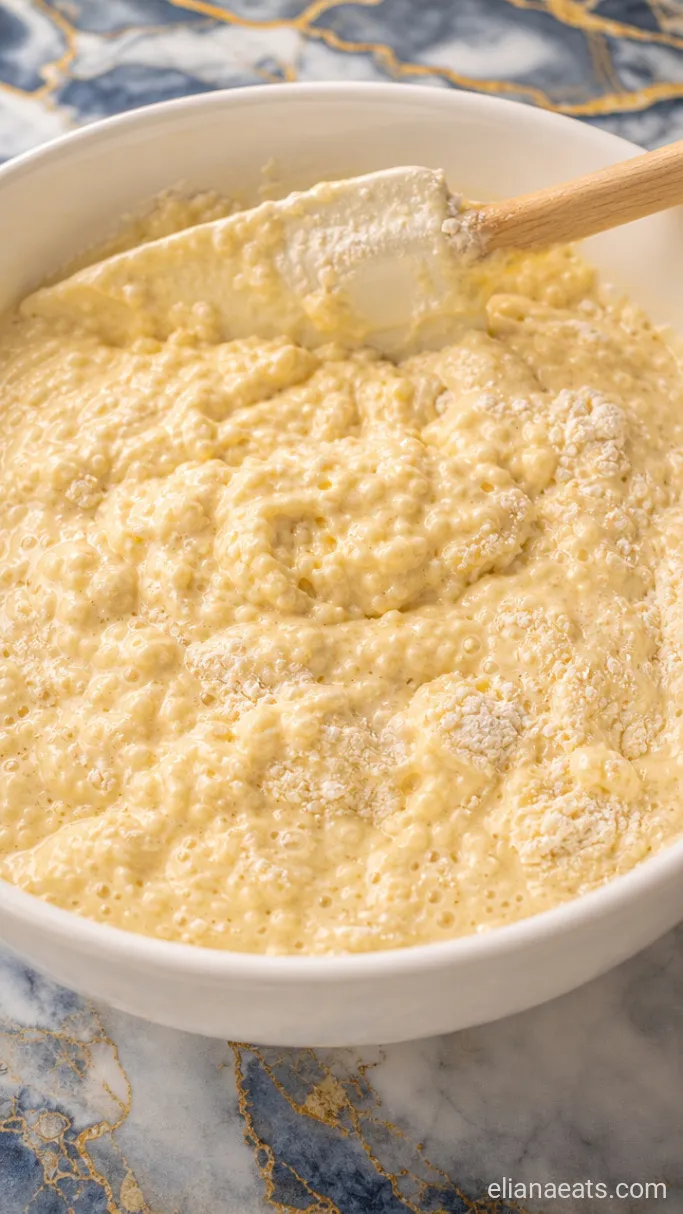
Pour the wet ingredients into the dry ingredients. Stir with a fork or spatula until just combined, about 15 to 20 strokes. The batter will look lumpy and that’s right — overmixing develops gluten and flattens the pancakes. Stop the moment you can’t see dry flour streaks.
Let the batter rest for 5 minutes. The baking soda starts working right away, and those 5 minutes let the bubbles build so the first pancake comes out as good as the last.
Step 4: Sear the Griddle Cakes
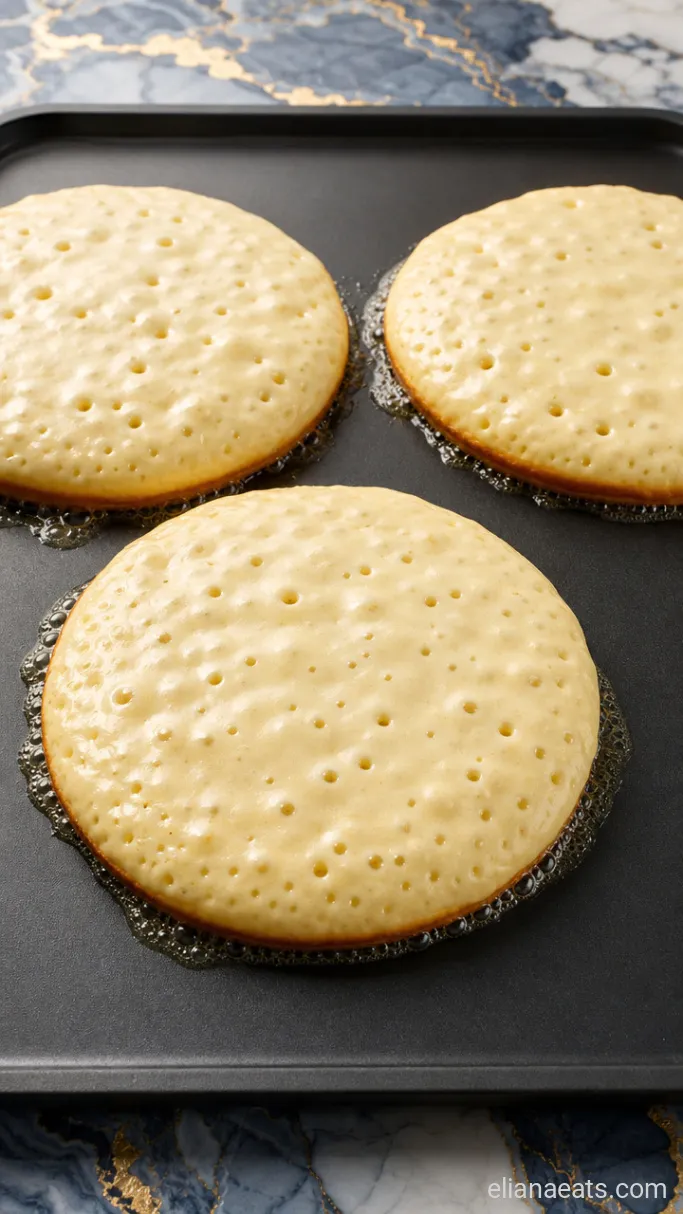
Heat a large skillet or griddle over medium heat and add about 1/2 tsp of the 2 tbsp unsalted butter, swirling to coat. When the butter stops foaming, pour 1/3 cup of batter per pancake onto the surface. Cook until bubbles break across the top and the edges look set, about 2 to 3 minutes. Flip once and cook the second side for 1 to 2 minutes, until the underside is deep golden brown.
Add another 1/2 tsp of butter to the pan between each batch. The butter is what gives you those slightly crisp, lacey edges that set this recipe apart from a plain nonstick-sprayed pancake.
Don’t press down on the pancakes after you flip them. They need that air inside to stay fluffy.
Step 5: Stack, Garnish, and Serve
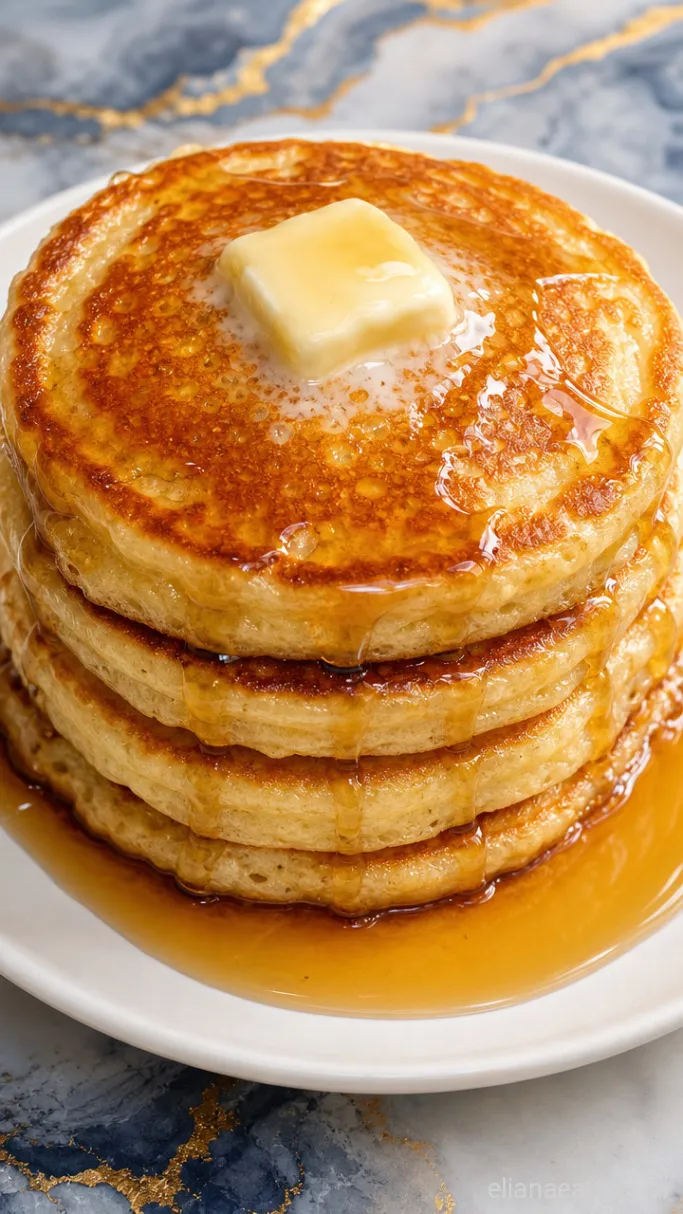
Stack 3 griddle cakes per plate, add a pat of cold butter on top so it melts slowly down the sides, and finish with a drizzle of warm maple syrup. Serve immediately while the edges are still crisp.
Recipe Tips
- Check your pan temperature before the first pour. Flick a few drops of water onto the surface — if they skitter and evaporate in under 3 seconds, you’re at the right heat. Too cool and the batter spreads flat; too hot and the outside burns before the center cooks through.
- Use a 1/3 cup measure for consistent pancakes. It gives you a size close to the IHOP version and makes flipping easier because the pancakes aren’t oversized.
- Old baking soda is a common reason pancakes come out flat. Drop a pinch into hot water — if it doesn’t bubble aggressively, it’s time for a new box.
- Keep finished pancakes warm in a 200°F (93°C) oven on a baking sheet while you finish the remaining batches, so the whole stack hits the table at the same time.
Cook times by pan type and heat level:
| Pan Type | Heat Setting | Time Per Side |
|---|---|---|
| Cast iron skillet | Medium (about 350°F / 175°C surface) | 2 to 3 min / 1 to 2 min |
| Nonstick skillet | Medium-low | 3 min / 1 to 2 min |
| Electric griddle | 375°F (190°C) | 2 min / 1 min |
How To Store
- Refrigerate – Stack cooled pancakes with a small piece of parchment between each one and store in an airtight container for up to 3 days.
- Reheating – A dry skillet over medium-low heat for about 1 minute per side brings the edges back better than a microwave, which steams them soft.
What To Serve With Griddle Cakes
Crispy bacon is the natural partner because the salt and fat cut through the sweetness of the syrup without competing with the pancake flavor. A fried egg on the side works for the same reason, and the runny yolk acts as a secondary sauce. If you want something lighter, fresh sliced strawberries with a little lemon juice on them add brightness that syrup alone doesn’t give you.
Frequently Asked Questions
Can I make the batter the night before?
Yes, but with a trade-off. The baking soda starts reacting as soon as it hits the buttermilk, so overnight batter loses some lift. Mix the dry and wet ingredients separately, refrigerate them, and combine them in the morning.
Why are my pancakes coming out flat?
The most likely cause is overmixed batter or expired leaveners. Both kill the air bubbles before the pancakes have time to set.
Can I freeze these?
Yes. Lay cooled pancakes in a single layer on a baking sheet, freeze until solid, about 1 hour, then transfer to a zip-close bag. They reheat straight from frozen in a 325°F (160°C) oven for 8 to 10 minutes.
Do I need a griddle or will a skillet work?
A regular skillet works fine. A griddle just lets you cook more at once, which cuts down on total time if you’re feeding more than 2 people.
Griddle Cakes Recipe
Ingredients
Method
- Whisk together the flour, sugar, baking powder, baking soda, and salt in a large bowl.
- In a separate bowl, whisk together the buttermilk, eggs, melted butter, and vanilla extract until smooth.
- Pour the wet ingredients into the dry and fold with a spatula until just combined, about 15 to 20 strokes. Rest the batter for 5 minutes.
- Heat a skillet or griddle over medium heat, melt about 1/2 tsp of the pan butter, and cook 1/3 cup of batter per pancake for 2 to 3 minutes per side, adding fresh butter between batches.
- Stack 3 griddle cakes per plate, top with a pat of cold butter, and drizzle with warm maple syrup. Serve immediately.
