
Crumbl Brownie Batter Cookie Copycat Recipe

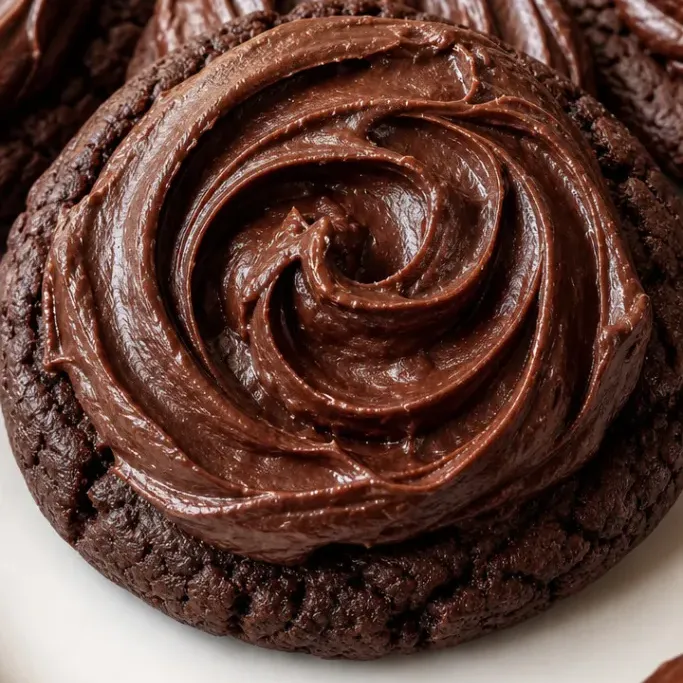
This brownie batter Crumbl cookie recipe brings home one of the most requested items from the Crumbl menu. It’s a thick, fudgy chocolate sugar cookie topped with a rich, glossy brownie batter frosting — and it comes together in about 45 minutes with pantry staples.
If you’ve been eyeing the Crumbl box but don’t want the price tag every week, this is the one to bookmark.
Why I Love This Recipe
The cookie base has crisp edges and a dense, slightly underbaked center that holds up under the frosting without going soggy. That contrast is what makes it worth making.
The frosting is the real draw. It tastes like raw brownie batter — sweet, chocolatey, and a little glossy — because it uses cocoa powder, brown sugar, and just enough cream to keep it spreadable.
I keep coming back to this version because the ratio of cookie to frosting is right. You get a thick layer on top, not just a smear.
Recipe Ingredients
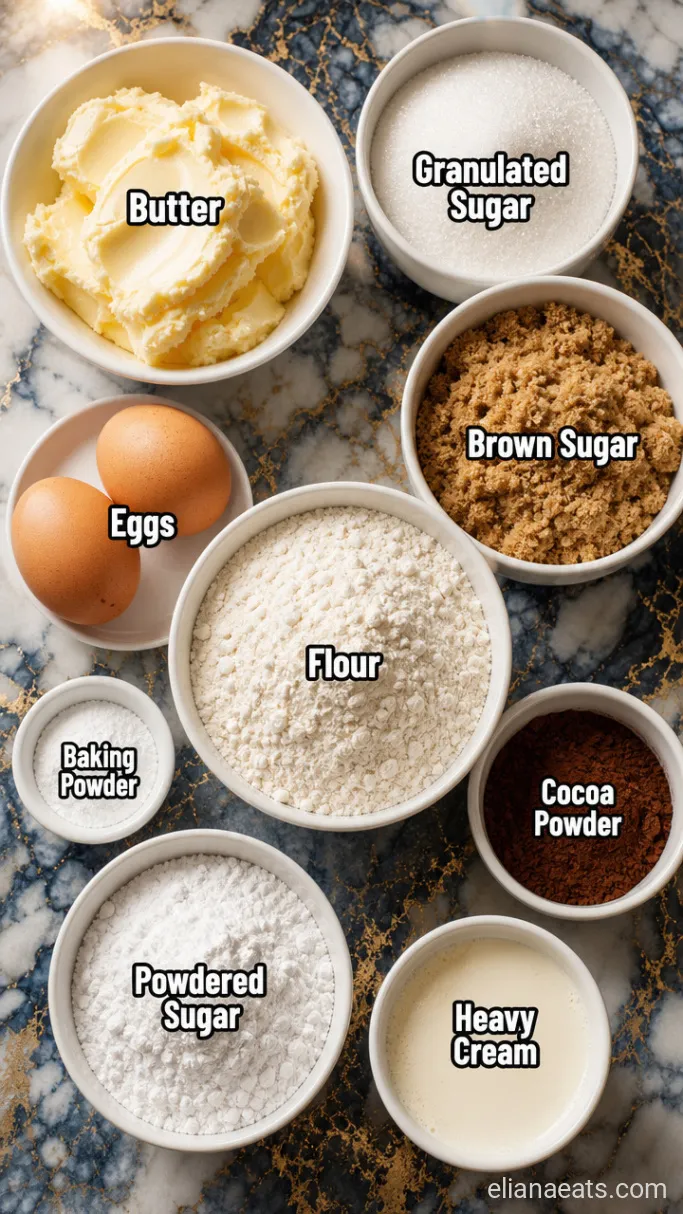
- 1 cup (2 sticks / 225g) unsalted butter – Softened to room temp; salted butter works but skip the added salt below
- 1 cup (200g) granulated sugar – For the cookie base
- 2 tbsp brown sugar – Adds a hint of molasses depth to the cookie dough
- 2 large eggs – Room temperature helps them incorporate evenly
- 2 tsp vanilla extract – Use real vanilla, not imitation, for the cleaner flavor
- 1 3/4 cups (220g) all-purpose flour – Spooned and leveled, not scooped
- 1/2 cup (50g) unsweetened cocoa powder – Dutch-process gives a darker, smoother flavor than natural cocoa
- 1 tsp baking powder – Gives the cookies a slight lift without making them cakey
- 1/2 tsp salt – Skip if using salted butter
- For the brownie batter frosting:
- 1/2 cup (115g) unsalted butter – Softened; this is the frosting base
- 1/2 cup (100g) brown sugar – Packed; gives the frosting that raw-batter flavor
- 1/4 cup (25g) unsweetened cocoa powder – Match whatever you used in the cookie
- 2 tbsp heavy cream – Add more by the teaspoon if you want it looser
- 1 tsp vanilla extract – Rounds out the chocolate
- 1 cup (120g) powdered sugar – Sifted; controls the sweetness and sets the texture
- Pinch of salt – Cuts the sweetness so it does not taste flat
Variations / Substitutions
- Dairy-free – Swap the butter in both the cookie and frosting for a vegan block butter like Miyoko’s; the texture stays close, though the frosting will be slightly less glossy.
- Natural cocoa instead of Dutch-process – The cookie and frosting will taste a bit more acidic and the color will be lighter, but it still works.
- Extra heat – Add 1/4 tsp cayenne to the cookie dough for a Mexican chocolate version with a warm finish.
- Brown butter base – Brown the butter for the cookie dough, then chill it until solid before creaming; the nutty flavor comes through in the background.
- Smaller cookies – Portion the dough at 2 tbsp instead of 3 tbsp for 24 smaller cookies; reduce bake time to 9 to 10 minutes.
- Espresso boost – Stir 1 tsp instant espresso powder into the cookie dough to deepen the chocolate flavor without tasting like coffee.
If you love this kind of thick frosted cookie, the Crumbl Pink Sugar Cookie Copycat Recipe is worth trying next.
How To Make Brownie Batter Crumbl Cookies
Step 1: Cream the Butter and Sugars
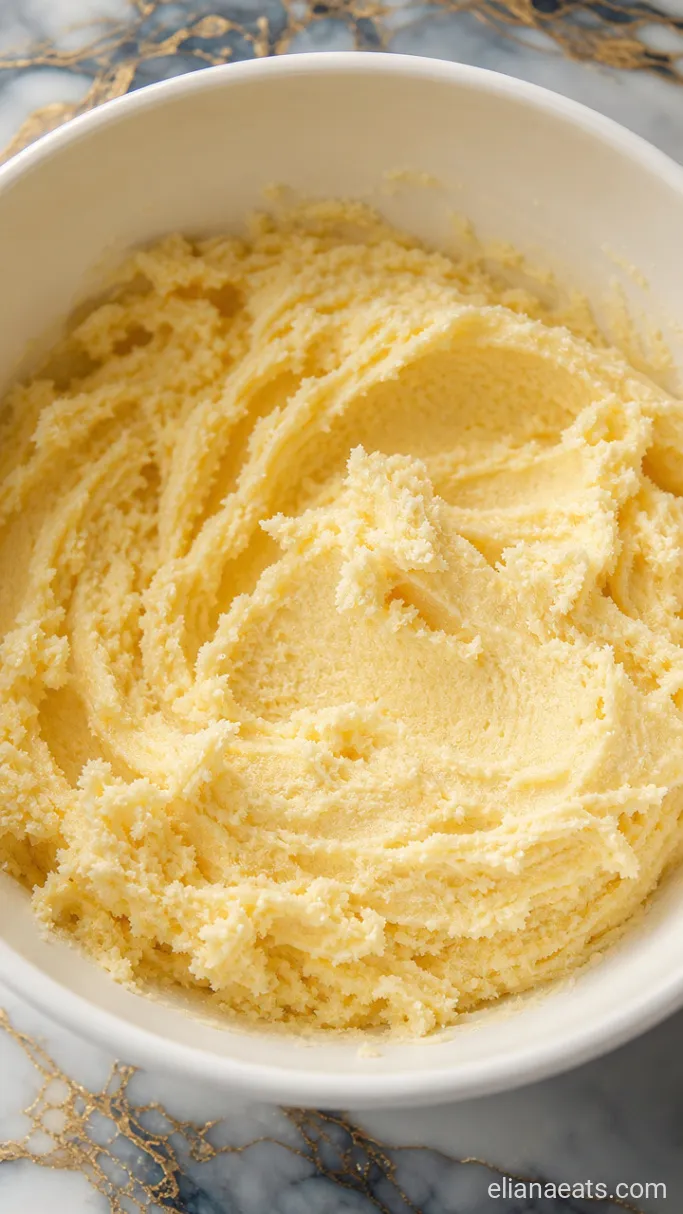
Set your oven to 350°F (175°C). In a large bowl, beat the 1 cup softened butter with the 1 cup granulated sugar and 2 tbsp brown sugar on medium speed for about 3 minutes, until the mixture looks pale and noticeably fluffy. It should hold its shape on the beater and not look greasy or dense.
This creaming step matters more than it seems. Under-creamed butter gives you a flat, dense cookie with no structure. Three full minutes is worth it.
Step 2: Incorporate the Eggs and Vanilla
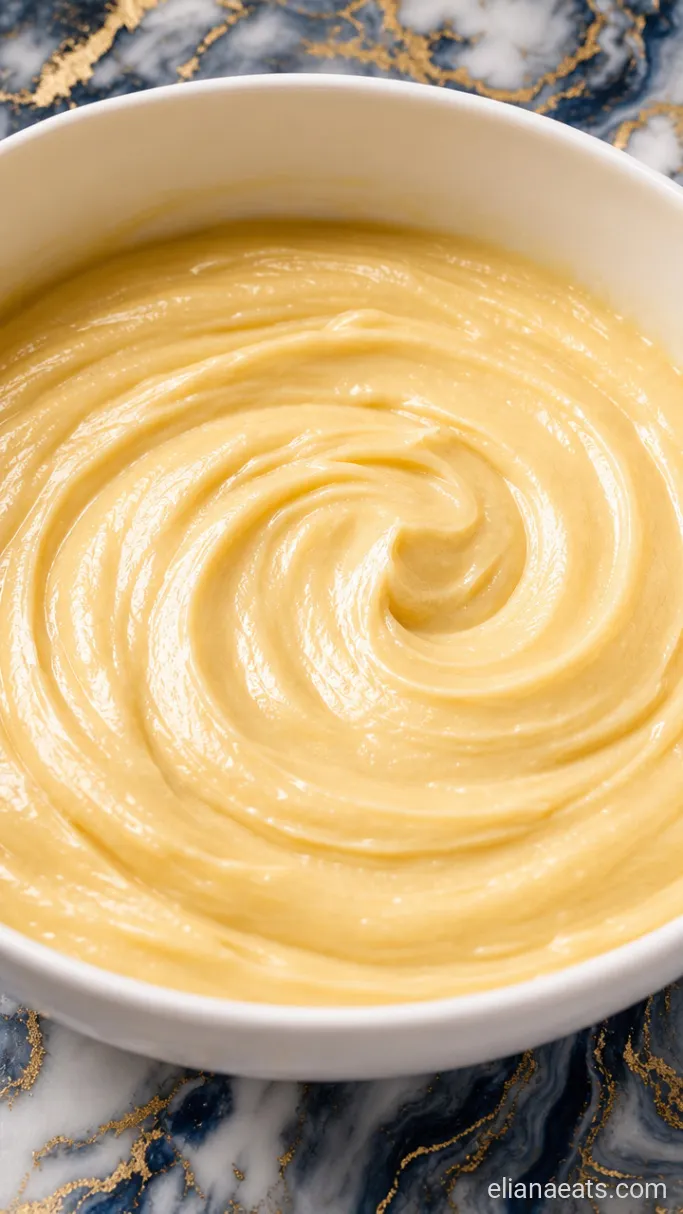
Add the 2 eggs one at a time, beating for 30 seconds after each one. Then pour in the 2 tsp vanilla extract and mix for another 15 seconds. The batter should look smooth and cohesive, not broken or curdled. If it looks slightly separated, keep mixing — it will come together.
Step 3: Fold in the Dry Ingredients
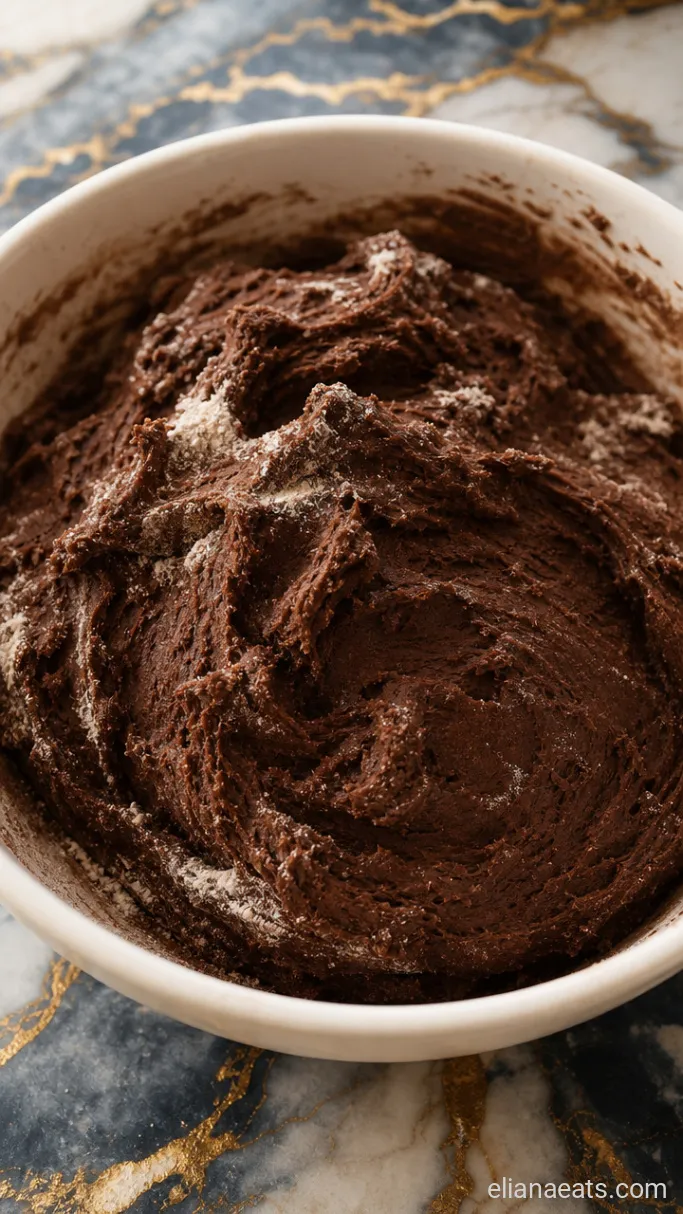
In a separate bowl, whisk together the 1 3/4 cups flour, 1/2 cup cocoa powder, 1 tsp baking powder, and 1/2 tsp salt. Add the dry mix to the butter mixture all at once, and fold with a spatula until just combined — no dry streaks, but stop before you’ve overworked it. The dough will be thick and a little tacky.
Overworking develops gluten and makes the cookie tough rather than tender. A few turns of the spatula past “no dry streaks” and you’re done.
Step 4: Bake the Cookies
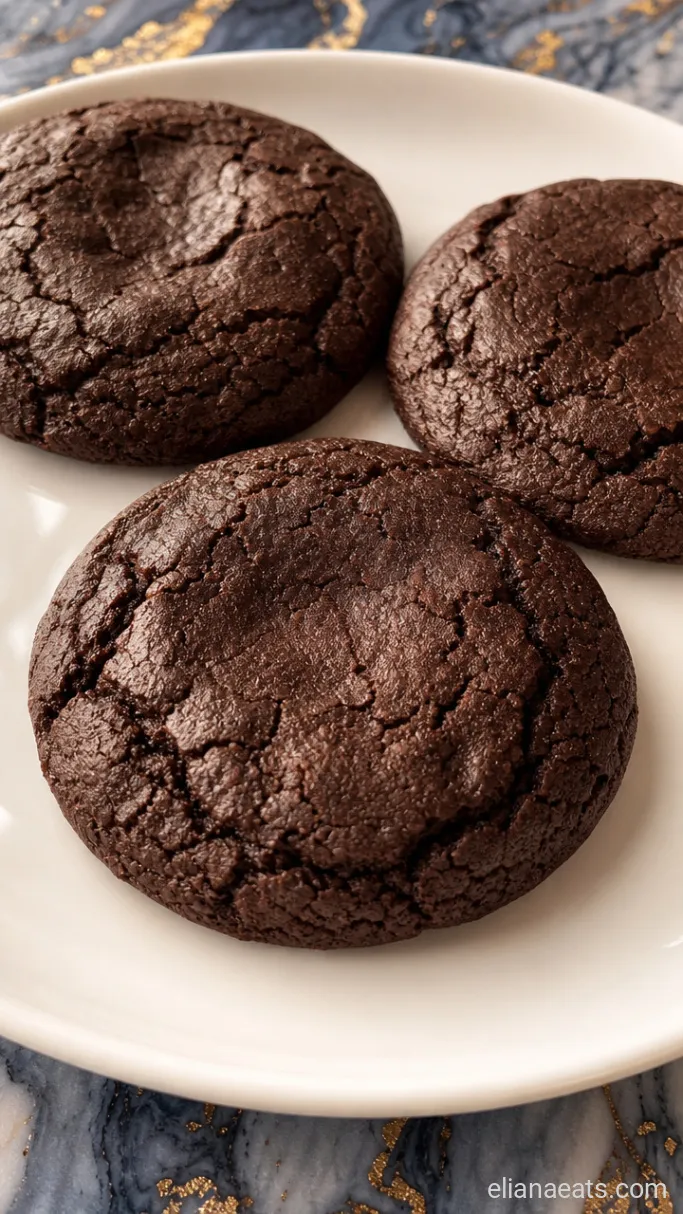
Scoop the dough into 16 balls using about 3 tbsp of dough each. Place them on parchment-lined baking sheets with at least 2 inches between them, then gently press each one down to about 3/4-inch thick. Bake at 350°F (175°C) for 11 to 13 minutes. The edges will look set and the center will still look slightly underdone — that’s exactly right. They firm up as they cool.
Let the cookies cool on the baking sheet for 5 minutes, then transfer to a wire rack and cool completely before frosting. Frosting a warm cookie will melt the frosting into a puddle.
Step 5: Whisk the Brownie Batter Frosting
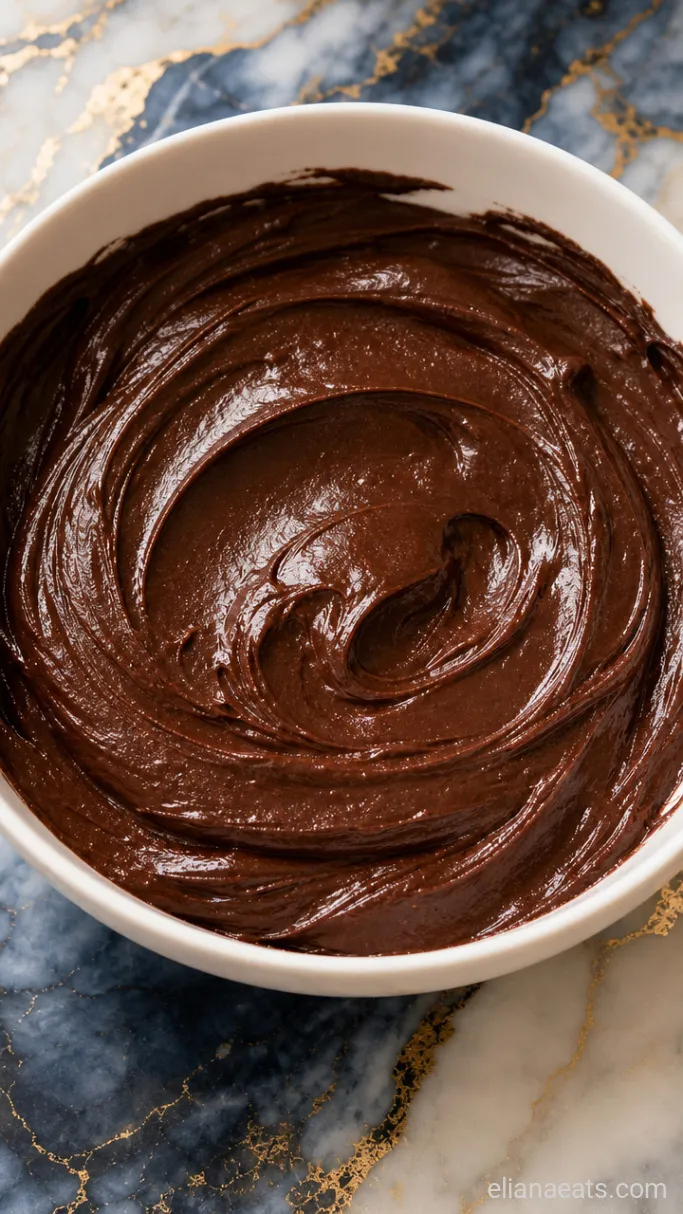
Beat the 1/2 cup softened butter on medium speed for 2 minutes until smooth. Add the 1/2 cup packed brown sugar, 1/4 cup cocoa powder, and a pinch of salt, and mix on low until combined — about 1 minute. Add the 2 tbsp heavy cream and 1 tsp vanilla extract, then increase to medium and beat for 1 minute. Finally, add the 1 cup sifted powdered sugar and beat on medium-high for 2 minutes until the frosting is fluffy and glossy. It should taste like brownie batter right off the spoon.
If the frosting feels too thick to spread, add heavy cream 1 teaspoon at a time until it loosens up. Too thin? Add powdered sugar a tablespoon at a time.
Step 6: Frost and Garnish the Cookies
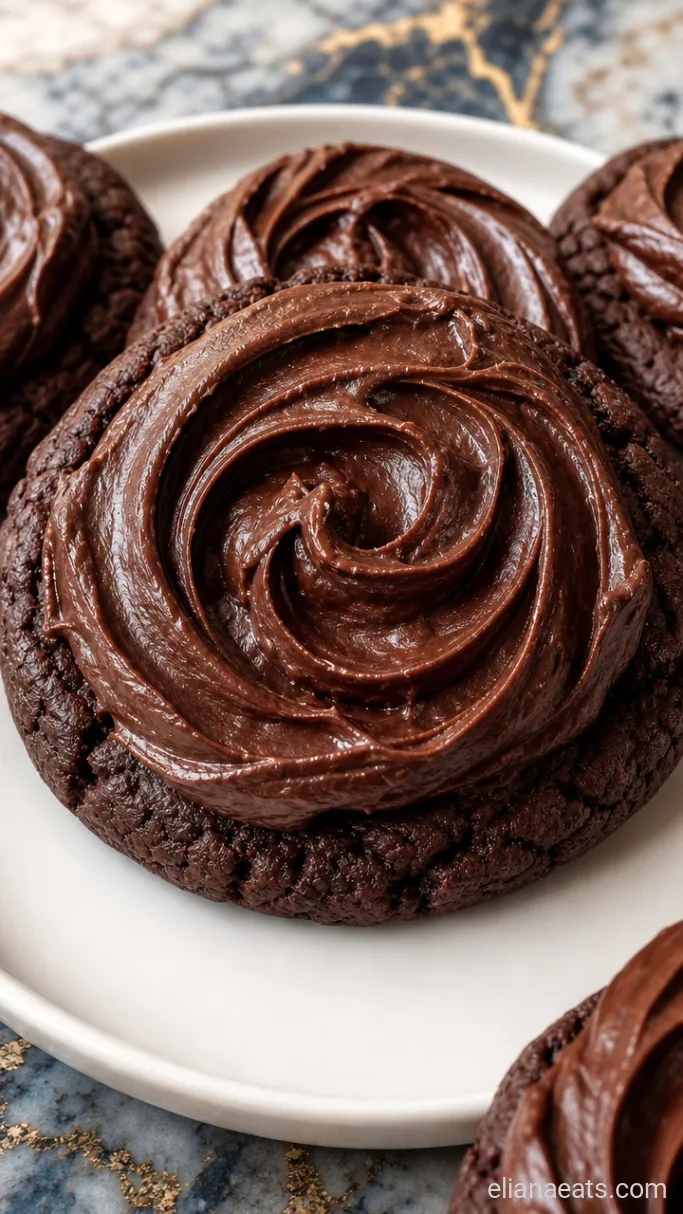
Spoon a generous heap of frosting onto the center of each cooled cookie. Use the back of a spoon or a small offset spatula to spread it out in a swirl, stopping about 1/4 inch from the edge so the chocolate border of the cookie shows. Finish each one with a light dusting of cocoa powder through a fine-mesh sieve — it adds a matte contrast to the glossy frosting and makes the whole tray look like it came from an actual bakery case.
Recipe Tips
- Weigh your flour. Scooping compacts it, and too much flour makes the cookie dry and crumbly. Spoon into the measuring cup and level off, or just use a scale.
- Don’t skip the cool-down. Frosting goes on cold cookies only. Even 10 minutes too soon and the frosting slides.
- Sift the powdered sugar for the frosting. Lumps in powdered sugar do not beat out fully; you’ll end up with a gritty texture in the frosting if you skip this.
- Use Dutch-process cocoa if you can find it. The flavor is noticeably smoother and the color is deeper, which makes the frosting look more dramatic.
Bake times at 350°F (175°C); cookies are done when edges are set and centers look slightly underdone (internal temp around 190°F / 88°C for a fudgy center):
| Dough ball size | Thickness | Bake time |
|---|---|---|
| 2 tbsp (small) | 1/2 inch | 9 to 10 mins |
| 3 tbsp (standard) | 3/4 inch | 11 to 13 mins |
| 4 tbsp (large) | 1 inch | 13 to 15 mins |
How To Store
- Refrigerate – Store frosted cookies in an airtight container in the fridge for up to 4 days. Layer them with parchment if stacking.
- Reheating – Let refrigerated cookies sit at room temperature for 20 to 30 minutes before eating; cold frosting gets firm and loses its texture.
- Serve Cold – They actually taste great cold too — the frosting firms up like a fudge topping, which some people prefer.
What To Serve With Brownie Batter Crumbl Cookies
A glass of cold whole milk is the obvious move, but specifically because the fat in whole milk cuts the sweetness of the frosting better than skim or oat milk. A scoop of vanilla ice cream alongside turns these into a real dessert plate — the plain cream flavor gives the chocolate cookie somewhere to land. If you’re putting together a cookie box or dessert table, pair these with a lighter, fruit-forward cookie so the chocolate doesn’t overwhelm everything else on the plate.
Frequently Asked Questions
Can I make the dough ahead of time?
Yes. Wrap the dough tightly and refrigerate it for up to 48 hours, or freeze dough balls for up to 2 months. Bake from frozen and add 2 to 3 minutes to the bake time.
Why did my cookies spread too much?
The most common cause is butter that was too warm or melted rather than just softened. Your butter should be cool enough to hold a thumbprint but not shiny or greasy.
Can I use a hand mixer instead of a stand mixer?
Yes, a hand mixer works fine for both the dough and the frosting. Just make sure the bowl is large enough — the dough gets thick.
Can I freeze the finished, frosted cookies?
You can, but the frosting texture changes slightly after thawing. For best results, freeze the cookie bases unfrosted and add the frosting fresh.
—
Brownie Batter Crumbl Cookie Recipe
Ingredients
Method
- Beat 1 cup softened butter with 1 cup granulated sugar and 2 tbsp brown sugar on medium speed for 3 minutes, until pale and fluffy.
- Add 2 eggs one at a time, beating 30 seconds after each, then mix in 2 tsp vanilla extract.
- Whisk together 1 3/4 cups flour, 1/2 cup cocoa powder, 1 tsp baking powder, and 1/2 tsp salt in a separate bowl; fold into the butter mixture until just combined.
- Scoop dough into 16 balls of about 3 tbsp each, press to 3/4-inch thick on parchment-lined sheets, and bake at 350°F (175°C) for 11 to 13 minutes. Cool completely.
- Beat 1/2 cup softened butter for 2 minutes, then mix in 1/2 cup packed brown sugar, 1/4 cup cocoa powder, and a pinch of salt. Add 2 tbsp heavy cream and 1 tsp vanilla, beat 1 minute, then beat in 1 cup sifted powdered sugar on medium-high for 2 minutes until fluffy.
- Spread frosting over each cooled cookie in a swirl and finish with a light dusting of cocoa powder.
