
Sourdough Subway Bread

Sourdough Subway bread is that soft, faintly sweet sandwich roll you know from the sandwich chain, made at home with real fermented flavor instead of commercial yeast alone. It’s the roll that holds up to a stack of deli meat without falling apart, with a crumb that’s tender but chewy enough to bite through cleanly.
If you’ve got an active starter sitting on the counter, this is a good excuse to use it. The dough takes some patience, but the hands-on parts are quick and the payoff is six rolls that taste better than anything from a plastic bag.

Why I Love This Recipe
The starter gives these rolls a slight tang that plain sandwich bread never has, and it also means a longer, slower rise that builds real structure in the crumb.
They stay soft on day two because of the oil in the dough, so lunch sandwiches don’t turn into a dry, crumbly mess by the time you eat them.
I like that you can shape them long and thin, closer to the real sub roll shape, instead of a round loaf that doesn’t fit your sandwich fillings.
Recipe Ingredients
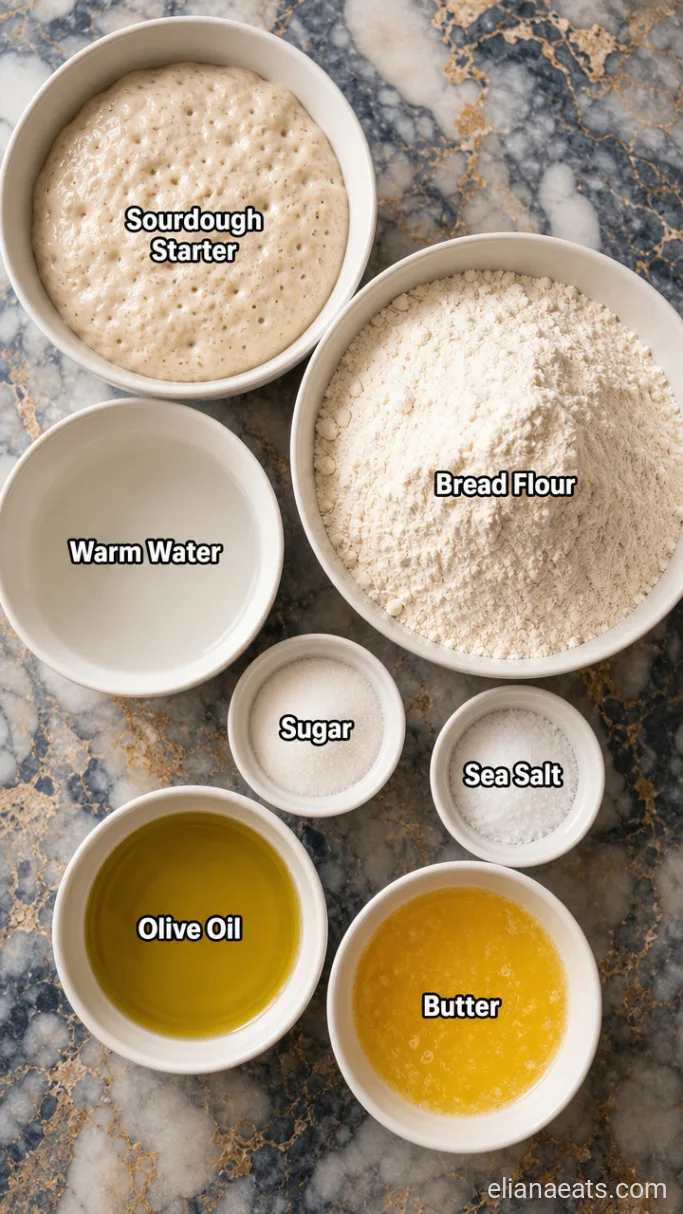
- 1 cup (240g) active sourdough starter – should be bubbly and roughly doubled from its last feeding
- 3 1/2 cups (440g) bread flour – the higher protein gives that chewy pull when you bite in
- 1 cup (240ml) warm water – around 90°F (32°C), warm enough to wake the starter up
- 2 tbsp granulated sugar – a small hit of sweetness, close to the original roll
- 2 tsp fine sea salt – balances the sugar and tightens up the gluten
- 2 tbsp olive oil, plus extra for the bowl – keeps the crumb soft instead of dry
- 1 tbsp melted butter, for brushing – brushed on right after baking for a shiny, soft top
Variations / Substitutions
- Honey instead of sugar – use 2 tbsp honey in place of the sugar for a rounder sweetness and a slightly darker crust.
- Everything bagel topping – press it onto the shaped rolls before the final rise for a crunchy, savory top.
- Dried herbs – work 1 tsp dried oregano and 1 tsp dried basil into the dough for an Italian-leaning loaf.
- Dairy-free – brush with olive oil instead of melted butter, the top still turns a good golden color.
- More heat – add 1/2 tsp crushed red pepper flakes to the dry ingredients for a subtle kick in every bite.
If you like the tang here, my sourdough discard focaccia uses the same starter trick in a flatter, olive-oil-heavy loaf.
How To Make Sourdough Subway Bread
Step 1: Mix the Dough
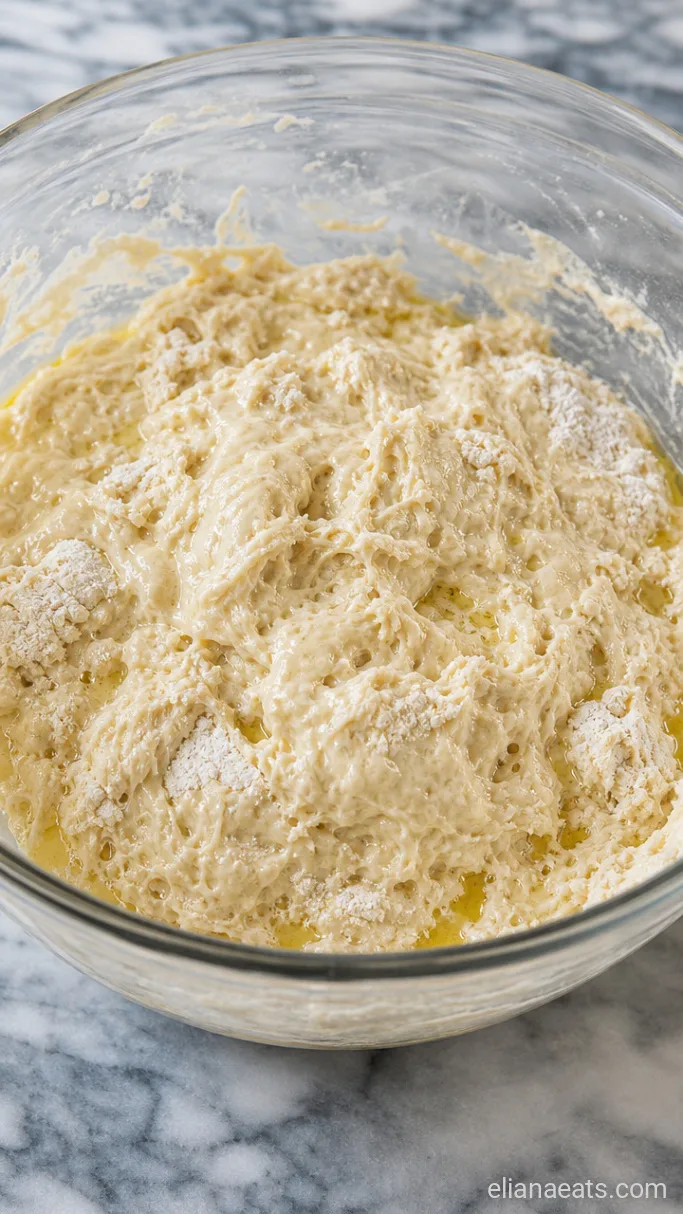
In a large bowl, stir together the 1 cup (240g) active sourdough starter and the 1 cup (240ml) warm water until the starter loosens up. Add the 3 1/2 cups (440g) bread flour, 2 tbsp sugar, 2 tsp salt, and 2 tbsp olive oil, then mix with a wooden spoon or your hand until there’s no dry flour left.
The dough will look shaggy and a little sticky at this point, not smooth yet. That’s normal, the smoothing happens in the next step.
Step 2: Knead the Dough
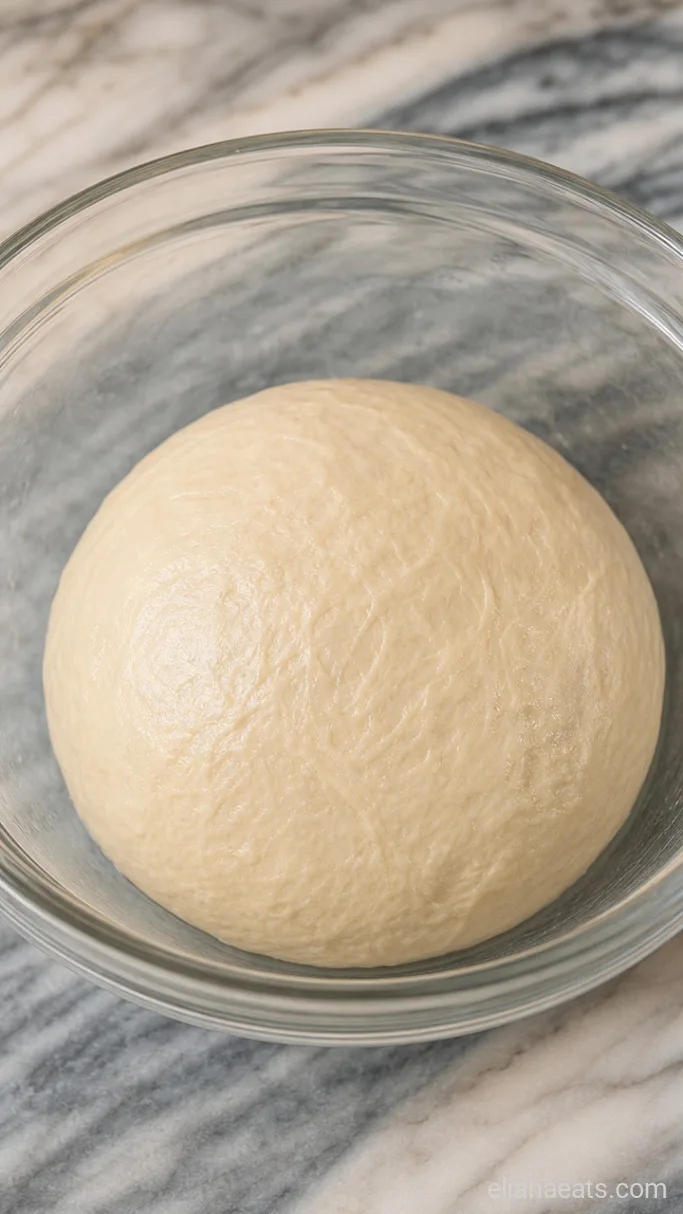
Turn the dough out onto a lightly floured counter and knead for about 8 to 10 minutes, either by hand or with a stand mixer fitted with a dough hook on low speed. Push, fold, and turn it steadily until it feels elastic and springs back slowly when you poke it.
You’ll know it’s ready when a small piece stretches thin enough to see light through without tearing right away, what bakers call the windowpane test. If it tears immediately, give it another minute or two of kneading.
Under-kneaded dough is the most common reason sub rolls turn out dense instead of chewy, so don’t rush this part.
Step 3: Fold the Dough as It Rises
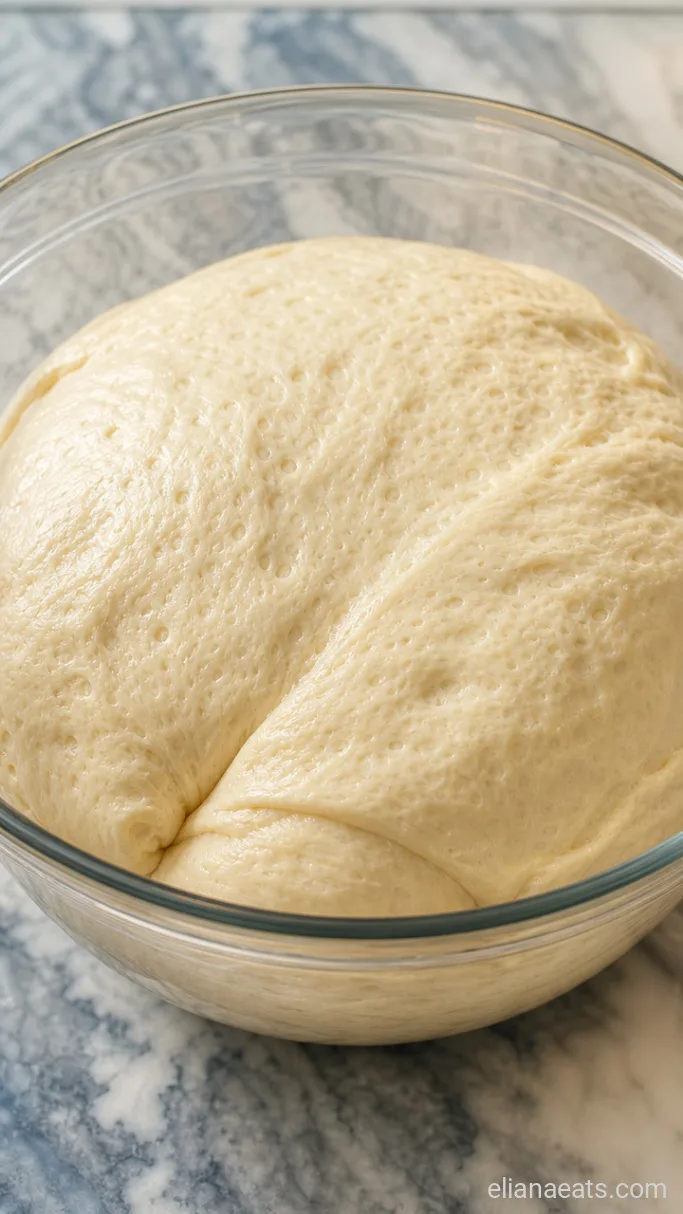
Oil a large bowl, drop the dough in, and cover it loosely. Let it rise somewhere warm, around 75°F (24°C), for about 3 hours, folding it over on itself once at the 1-hour and 2-hour marks.
Each fold takes about 20 seconds: pull one side up and over the middle, turn the bowl, repeat three or four times. You’ll feel the dough get stronger and more elastic each time you fold it.
By the end of 3 hours, it should look puffy and roughly doubled in size, with visible air bubbles under the surface.
Step 4: Shape the Sub Rolls
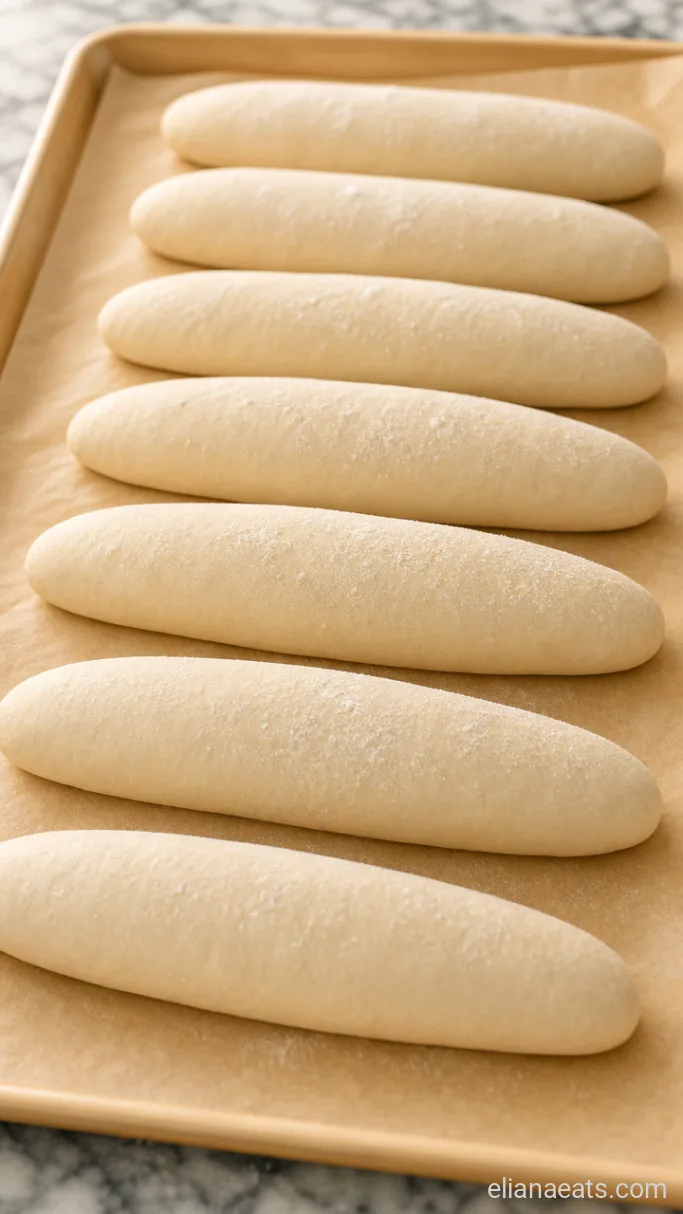
Turn the risen dough out onto a lightly floured counter and divide it into 6 even pieces, about 130g each if you want to weigh them. Roll each piece into a tight log about 6 to 7 inches long, pinching the seam closed on the bottom.
Set the shaped logs seam-side down on a parchment-lined baking sheet, spacing them a couple inches apart since they’ll spread as they proof. They should look smooth and taut on top, not lumpy or loose.
Step 5: Proof the Shaped Rolls
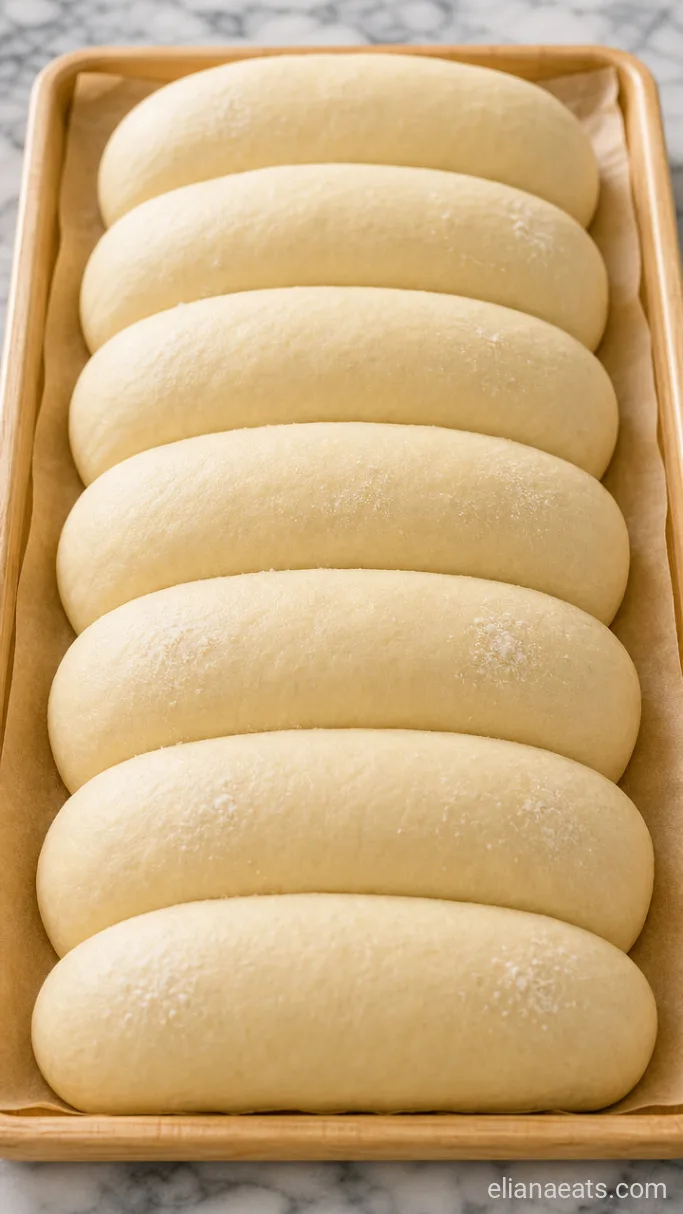
Cover the shaped rolls loosely with a kitchen towel and let them proof at room temperature for about 45 minutes. They’ll puff up visibly and feel soft and pillowy when you press a fingertip into the side.
If the dough springs back slowly and leaves a slight indent, it’s ready for the oven. If it springs back instantly, give it another 10 to 15 minutes.
Step 6: Score and Bake the Rolls
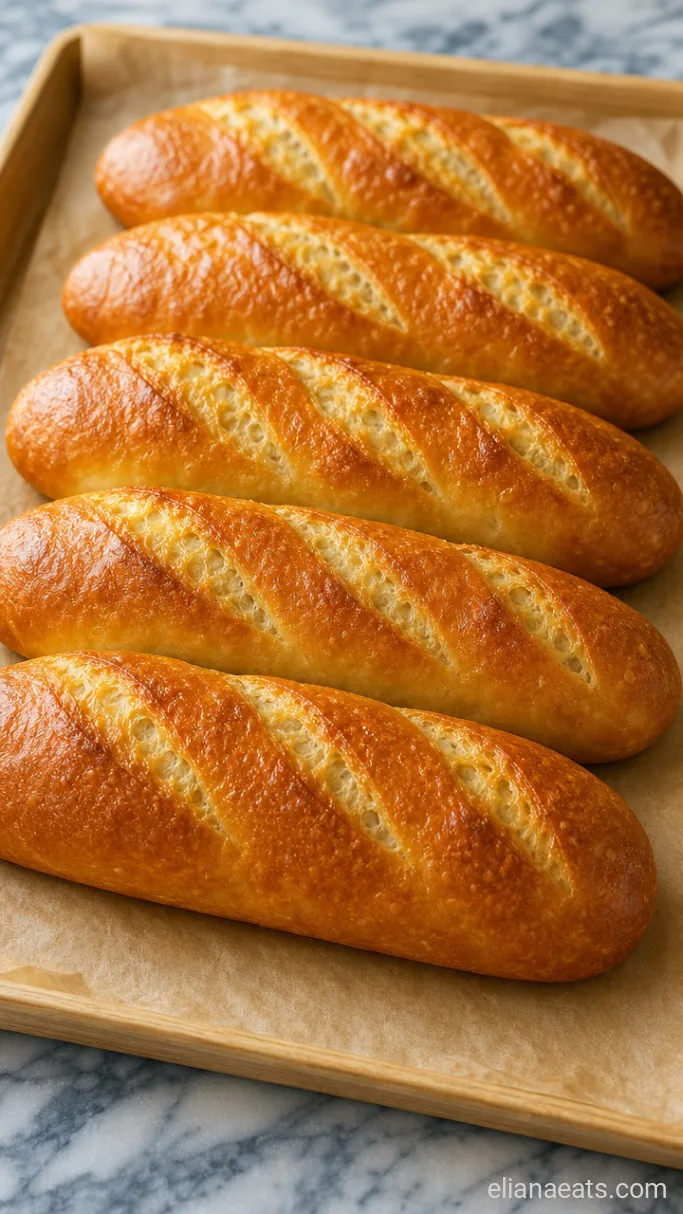
Preheat the oven to 375°F (190°C). Slash a shallow line down the length of each roll with a sharp knife or razor blade, then slide the tray into the oven and bake for 18 to 20 minutes, until the tops are deep golden brown and the internal temp hits 200°F (93°C).
Pull the tray out and brush the hot rolls right away with the 1 tbsp melted butter, letting it soak in and shine up the crust. Let them sit on the tray for a couple minutes before slicing one open, you’ll see an open, slightly chewy crumb underneath the glossy top.
Recipe Tips
- Feed your starter 4 to 6 hours before baking so it’s active and bubbly, a sluggish starter means a slow, weak rise.
- Weigh your flour if you can. Scooping straight from the bag packs in extra flour and makes for a denser roll.
- If your kitchen runs cold, let the dough rise in the oven with just the light on, it holds a gentle warmth without actually cooking anything.
- Extra rolls freeze well once fully cooled, so double the batch if you’re making sandwiches for the week.
Rise times shift with kitchen temperature, so use this as a guide rather than a strict clock.
| Room temp | Bulk rise time | Final proof time |
|---|---|---|
| 65°F (18°C) | about 4.5 hours | about 1 hour |
| 75°F (24°C) | about 3 hours | about 45 minutes |
| 80°F (27°C) | about 2 hours | about 30 minutes |
How To Store
Refrigerate: Keep cooled rolls in an airtight bag or container for up to 4 days, they’ll firm up a bit but soften again when warmed.
Reheating: Warm rolls in a 300°F (150°C) oven for about 5 minutes to bring back the crisp crust before building a sandwich.
What To Serve With Sourdough Subway Bread
These rolls are built for sandwiches, so think about what needs a sturdy, slightly chewy base. Thin-sliced deli turkey or ham with sharp provolone works well because the tang in the bread cuts through the richness of the cheese.
A simple vinegar-based slaw on the side is a good match too, since its acidity balances the soft, slightly sweet crumb. If you want something warm alongside, a cup of tomato soup plays off the bread’s tang in a way that mild white bread never quite manages.
Frequently Asked Questions
Can I make this dough with discard instead of active starter?
Not on its own, discard lacks the rising power you need here, though you can add 1/4 tsp instant yeast to the dough if that’s all you have on hand.
Why did my rolls turn out flat instead of holding their shape?
This usually means the dough over-proofed, the gluten structure weakens and can’t hold air once it rises too long, so keep an eye on the fingertip test in step 5.
Can I use all-purpose flour instead of bread flour?
You can, but expect a slightly softer, less chewy roll since bread flour’s extra protein is what gives that classic pull.
Can I bake these as one long loaf instead of six rolls?
Yes, shape the dough into a single loaf and add about 10 to 15 minutes to the bake time, checking for that same 200°F (93°C) internal temp before pulling it out.
Sourdough Subway Bread Recipe
Ingredients
Method
- Stir the starter and warm water together, then mix in the flour, sugar, salt, and olive oil until no dry flour remains.
- Knead the dough for 8 to 10 minutes until smooth and elastic, checking with the windowpane test.
- Let the dough bulk rise for about 3 hours, folding it over itself at the 1-hour and 2-hour marks.
- Divide into 6 pieces and shape each into a 6 to 7-inch log, seam-side down on a lined tray.
- Let the shaped rolls proof for about 45 minutes, until soft and puffy.
- Score each roll, bake at 375°F (190°C) for 18 to 20 minutes until golden and 200°F (93°C) inside, then brush with melted butter.
Notes

