
Panera Tomato Basil Bread Easy Copycat Recipe

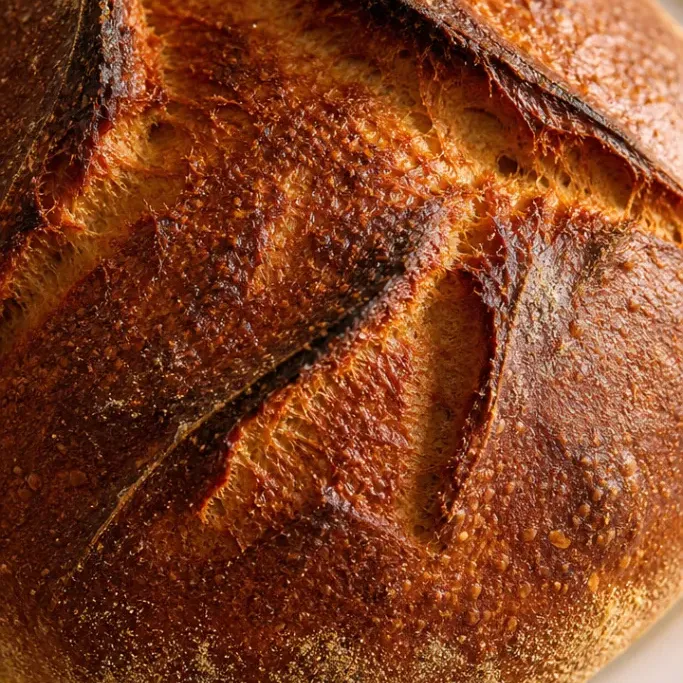
This Panera tomato basil bread recipe gives you that soft, slightly sweet loaf with its deep pink crumb and gentle herb flavor, made entirely at home. It’s the kind of bread that works for sandwiches, toast, or just torn off in chunks alongside a bowl of soup.
The ingredients are simple and the process is straightforward. If you’ve made a basic yeast bread before, this one will feel familiar.
Why I Love This Recipe
The color alone makes it worth baking. That rosy crumb comes from blending tomatoes right into the dough, and it stays vibrant even after baking.
It’s also a genuinely useful loaf. The tomato keeps the bread moist and the basil adds a quiet savory note without overpowering anything you put on it.
This is the version I keep coming back to when I want a bread that does double duty: good enough to eat plain, sturdy enough for a thick sandwich.
Recipe Ingredients
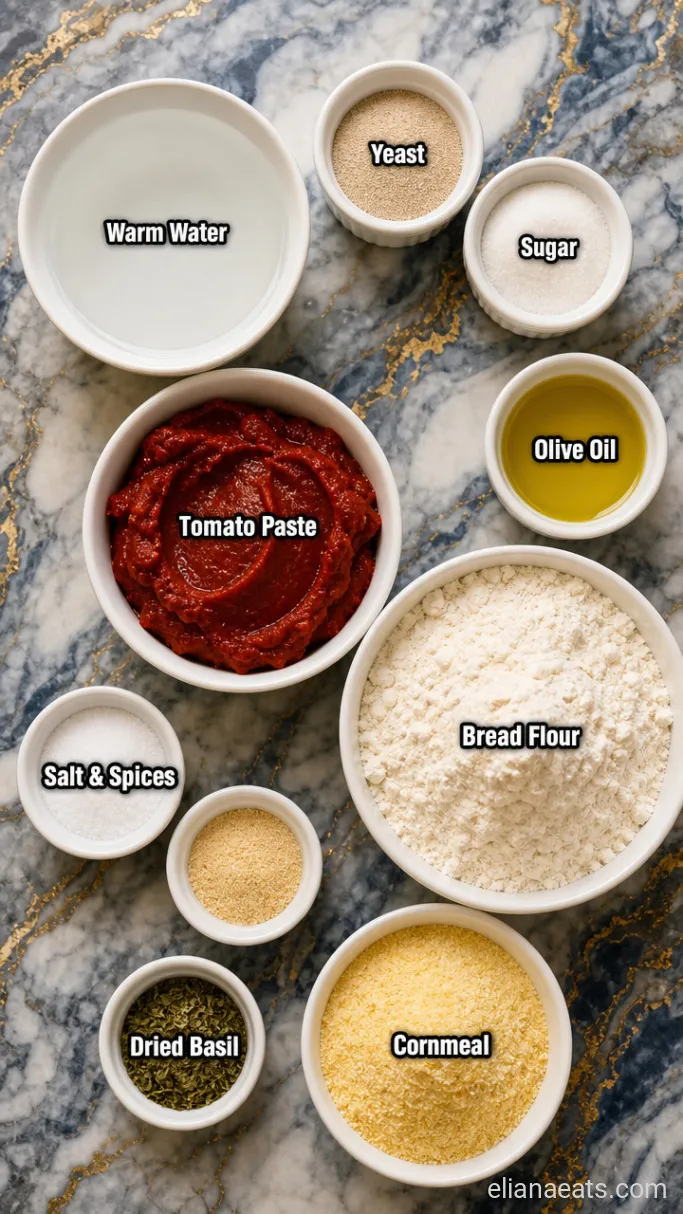
- 2 1/4 tsp active dry yeast (1 packet) – Standard packet size; make sure it’s not expired or your bread won’t rise
- 1 tsp granulated sugar – Feeds the yeast during activation
- 3/4 cup warm water (110°F / 43°C) – Too hot kills the yeast; use a thermometer if you’re unsure
- 1/2 cup tomato paste – This is the main flavor and color driver; use a good-quality, concentrated paste
- 2 tbsp olive oil – Adds a little richness and helps the crust stay tender
- 1 tsp fine salt – Brings the whole loaf together flavor-wise
- 1 tsp dried basil – Dried distributes more evenly through the dough than fresh
- 1/2 tsp garlic powder – A subtle background note, not strong enough to taste “garlicky”
- 3 cups bread flour, plus more for dusting – Bread flour gives the loaf better structure and chew than all-purpose
- 1 tbsp cornmeal – For dusting the pan; gives the bottom crust a slight crunch
Variations / Substitutions
- All-purpose flour instead of bread flour – The loaf will be slightly softer and less chewy, but it bakes up fine.
- Sun-dried tomato paste – Use the same 1/2 cup quantity; it deepens the flavor and makes the crumb a darker red.
- Fresh basil instead of dried – Use 3 tbsp finely chopped fresh basil and fold it in during the last minute of mixing; the flavor is brighter but the flecks are more visible.
- Add red pepper flakes – 1/4 tsp mixed into the dry ingredients gives a mild, pleasant heat that works well with the tomato.
- Dairy-free – This recipe is already dairy-free as written, so no swaps needed.
- Extra herbs – 1/2 tsp dried oregano alongside the basil nudges the flavor toward something almost pizza-adjacent, in a good way.
If you enjoy baking savory breads at home, the Panera Broccoli Cheddar Soup Bread Bowl recipe is a natural next project.
How To Make Tomato Basil Bread
Step 1: Activate the Yeast
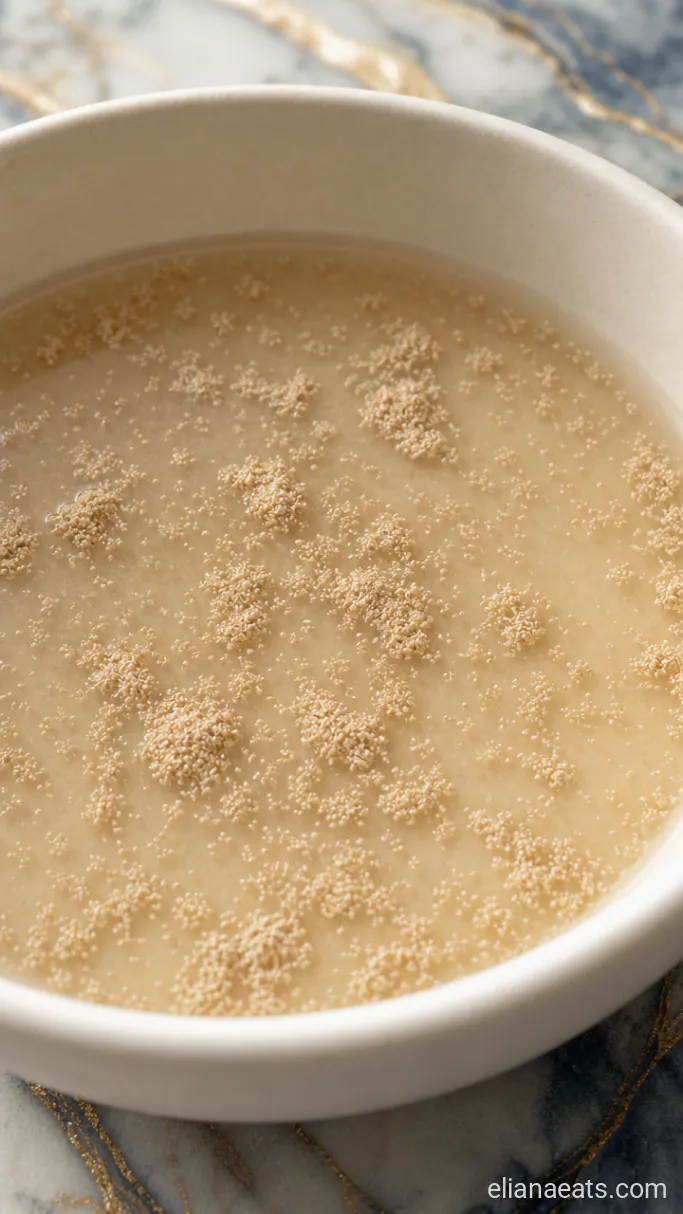
In a large mixing bowl, stir the 2 1/4 tsp active dry yeast and 1 tsp granulated sugar into the 3/4 cup warm water. Let it sit undisturbed for 8 to 10 minutes at room temperature.
You’re looking for a foamy, slightly domed surface on the water. If it just looks cloudy and flat after 10 minutes, the yeast is likely dead and you’ll need to start fresh with a new packet. A good foam means you’re ready to move on.
Step 2: Mix the Dough
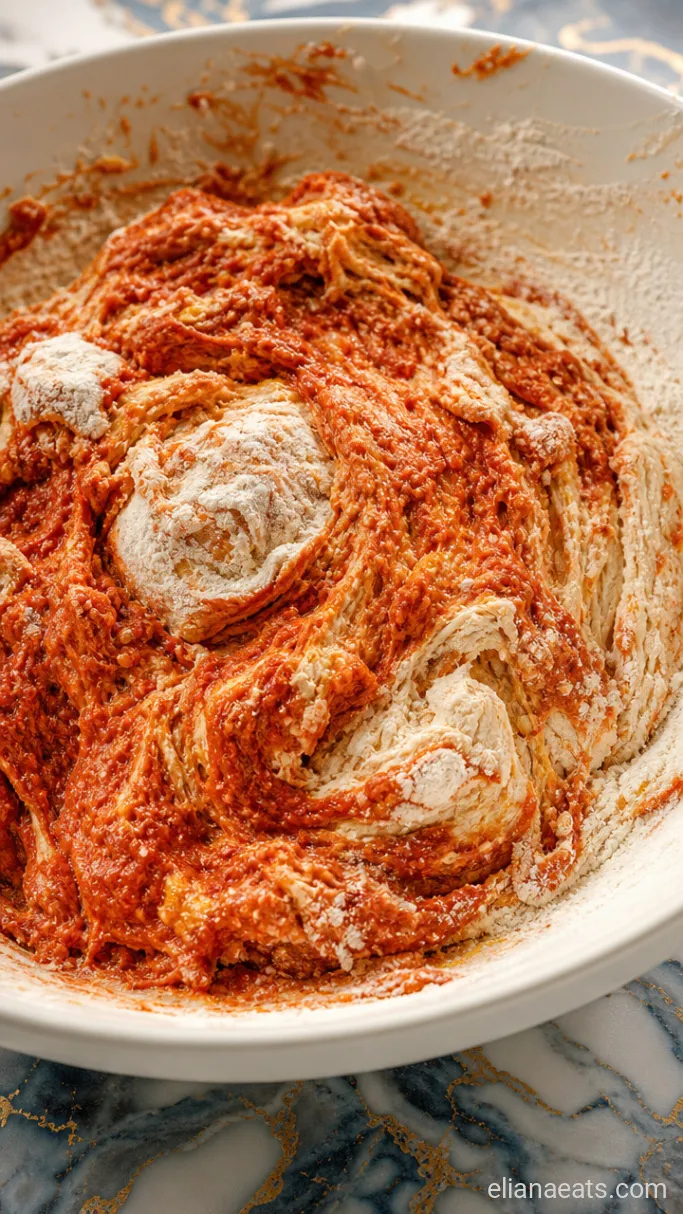
Add the 1/2 cup tomato paste, 2 tbsp olive oil, 1 tsp salt, 1 tsp dried basil, and 1/2 tsp garlic powder to the yeast mixture. Stir until combined, then add the 3 cups bread flour about 1 cup at a time, mixing between additions until a shaggy dough forms.
The dough will look rough and uneven at this point, which is completely normal. Once it starts pulling away from the sides of the bowl, it’s ready to knead.
Step 3: Knead the Dough
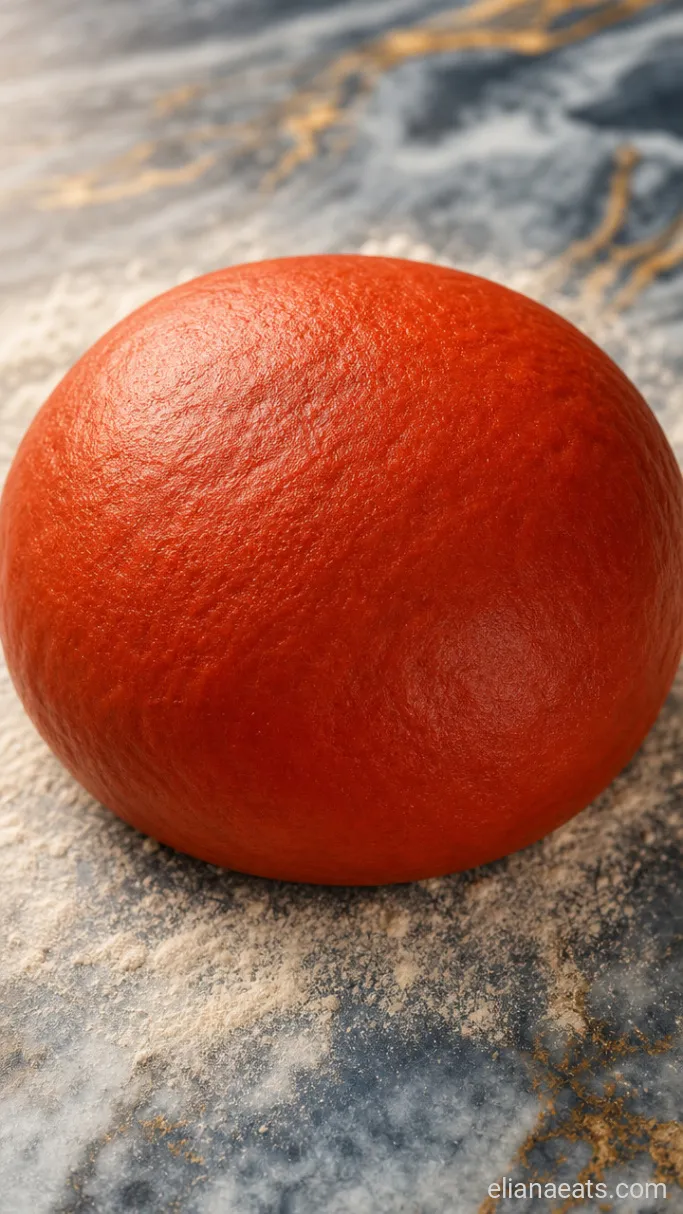
Turn the dough out onto a lightly floured surface and knead for 8 to 10 minutes by hand, or 5 minutes on medium speed with a stand mixer fitted with a dough hook. Add flour a small pinch at a time only if the dough is sticking badly to your hands.
When the dough is ready, it will feel smooth and springy, and when you poke it with your finger, it should spring back slowly within about 5 seconds. Overkneading is hard to do by hand, so don’t rush this step.
Step 4: Rise the Dough
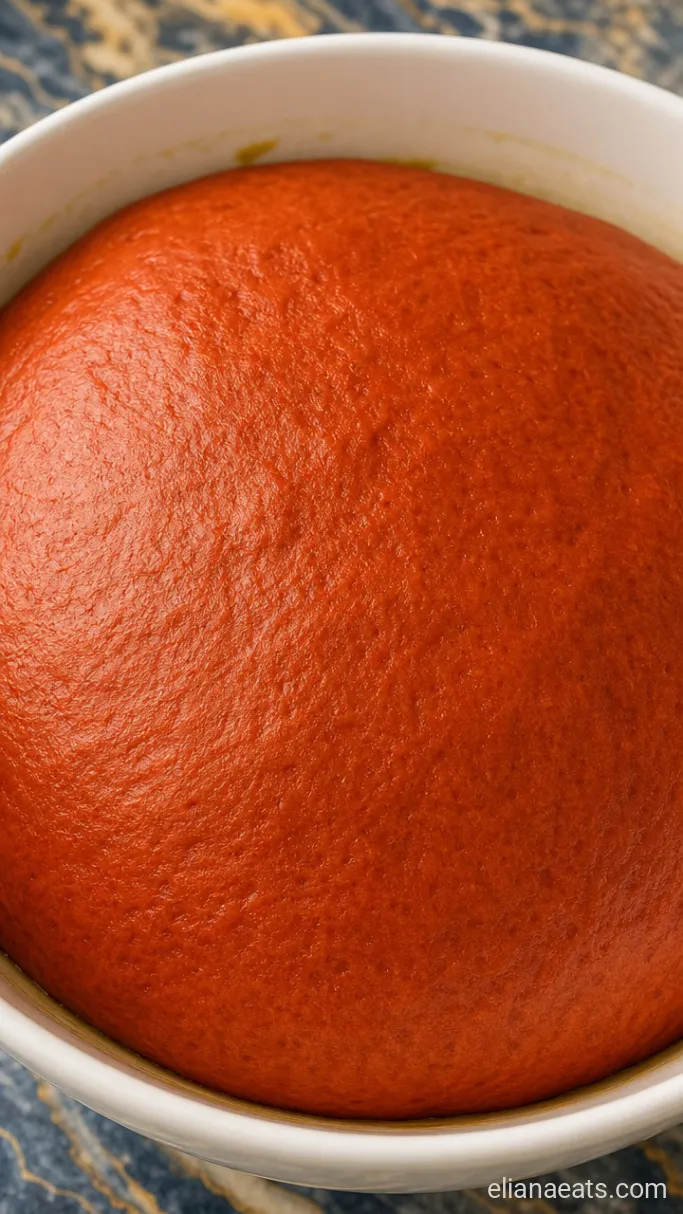
Shape the dough into a ball, place it back in the bowl, and cover it loosely with a clean kitchen towel or plastic wrap. Let it rise in a warm spot for 60 to 90 minutes, until it has roughly doubled in size.
A warm oven (turned off, with just the light on) works well here. You’ll know the rise is done when the dough looks noticeably puffed and, if you press it gently with one finger, the indent holds for a moment before slowly filling back in.
Step 5: Shape and Proof the Loaf
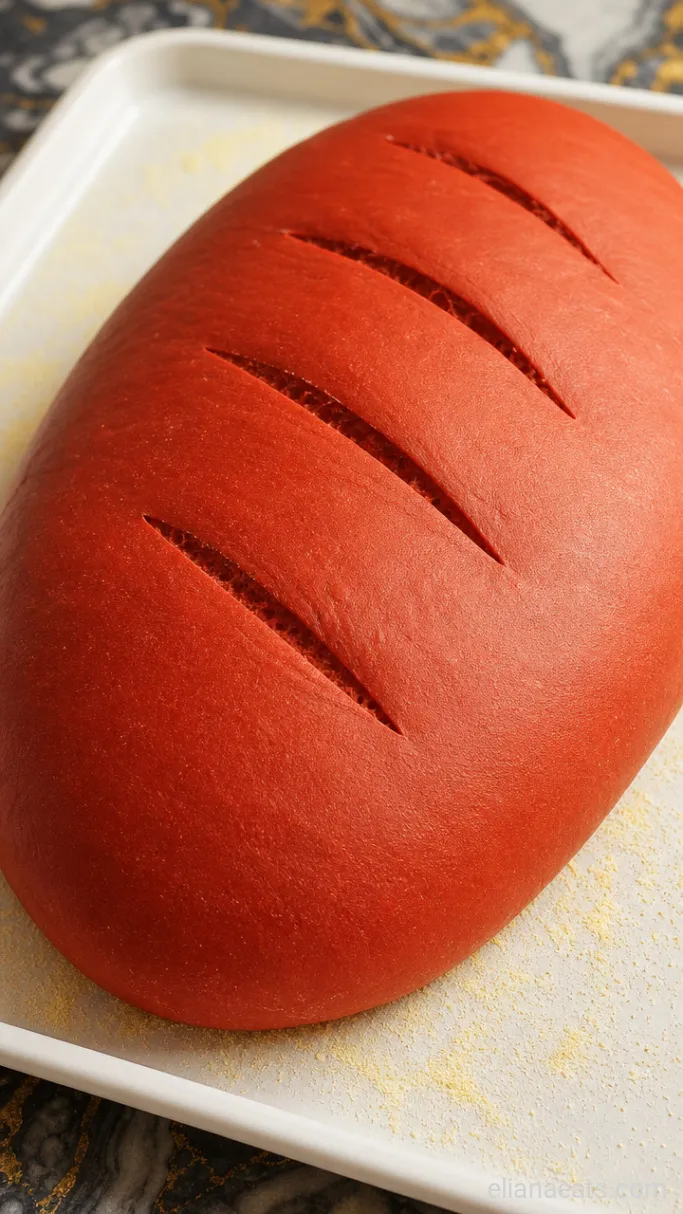
Dust a 9×5 inch loaf pan with the 1 tbsp cornmeal. Punch the dough down gently, then shape it into a log roughly the length of your pan by folding the edges under and rolling it slightly. Place it seam-side down in the pan and cover loosely again. Let it proof for 30 to 45 minutes at room temperature, until it crowns about 1 inch above the rim of the pan.
Don’t rush the second rise. If the dough hasn’t risen enough, the loaf will be dense in the middle. If it over-proofs and collapses slightly in the oven, the crumb will be gummy. That 1-inch crown above the rim is a reliable visual target.
Step 6: Bake and Garnish the Loaf
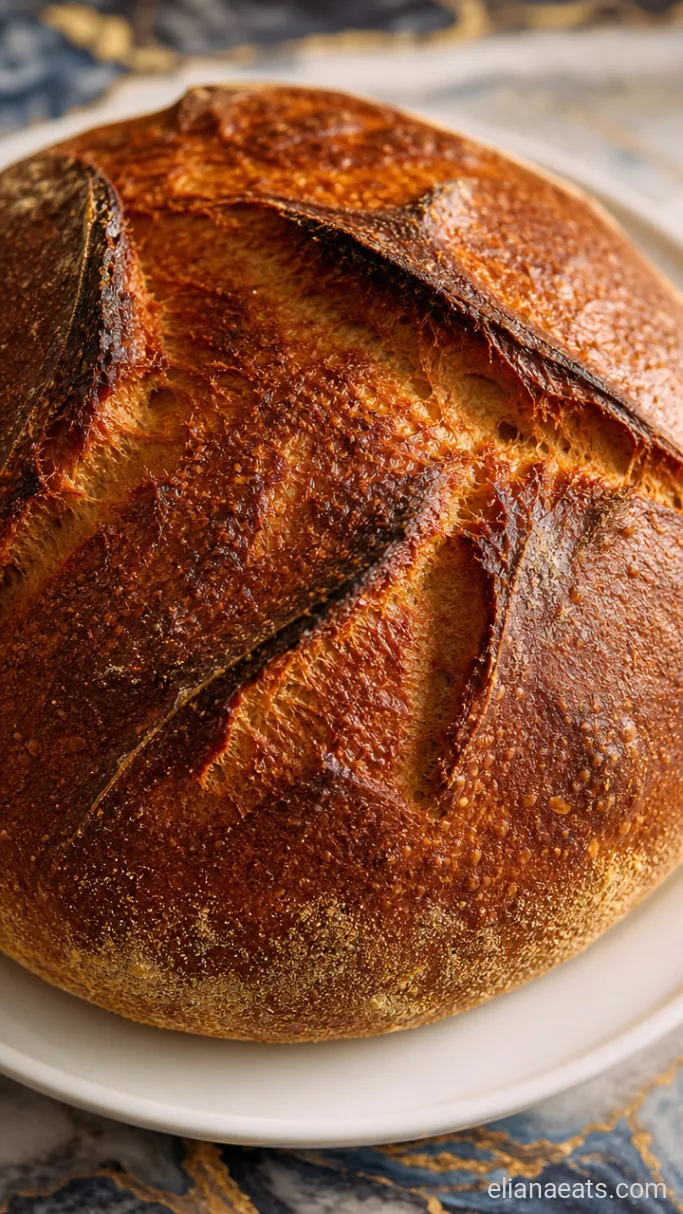
Preheat your oven to 375°F (190°C). Once the oven is ready, bake the loaf on the center rack for 30 to 35 minutes, until the top is deep reddish-brown and the internal temperature reads 200°F (93°C) on an instant-read thermometer.
Turn the loaf out onto a wire rack, let it cool for at least 20 minutes, then slice and serve. The crumb will be a warm, rosy pink with small green flecks of basil throughout.
Recipe Tips
- Check your water temperature. Water between 105°F and 115°F (40°C to 46°C) is the safe zone for yeast activation. Below 100°F it’s too sluggish; above 120°F (49°C) it starts to kill the yeast.
- Don’t skip the second rise. The proof in the pan is what gives the loaf its final height and open crumb. Cutting it short means a brick.
- Test for doneness with temperature, not time. Oven temperatures vary, and the tomato paste in this dough darkens the crust faster than a plain loaf. An internal temp of 200°F (93°C) is your reliable signal that the inside is fully baked.
- Cool before slicing. The interior is still setting as the bread cools. Cutting it at 5 minutes will give you a gummy slice. Twenty minutes is the minimum.
Bake times vary slightly depending on your pan material:
| Pan material | Approximate bake time | What to watch for |
|---|---|---|
| Light metal (aluminum) | 30 to 32 mins | Golden-brown top, clean thermometer |
| Dark metal (non-stick) | 28 to 30 mins | Crust darkens faster; check temp early |
| Glass or ceramic | 33 to 36 mins | Slower heat transfer; may need a few extra mins |
How To Store
- Refrigerate – Wrap the cooled loaf tightly in plastic wrap or store in an airtight bag. It keeps well for up to 5 days. The crumb stays moist because of the tomato paste.
- Reheating – Wrap individual slices in foil and warm at 300°F (150°C) for about 8 minutes, or toast slices straight from the fridge.
What To Serve With Tomato Basil Bread
This loaf is a natural partner for a creamy tomato soup, where the bread’s own tomato flavor echoes the bowl rather than competing with it. It also makes an excellent base for a grilled cheese, since the slightly sweet, herby crumb holds up to butter and heat without getting soggy. If you want to use it for sandwiches, sliced mozzarella, roasted red peppers, and a little arugula work particularly well together on this bread because the flavors all lean in the same Mediterranean direction.
Frequently Asked Questions
Can I make this dough the night before?
Yes. After the first rise, punch the dough down, cover the bowl tightly, and refrigerate it overnight. The next day, let it sit at room temperature for 30 minutes before shaping and proofing.
Can I freeze the baked loaf?
Yes. Let it cool completely, then wrap it tightly in plastic wrap and freeze for up to 3 months. Thaw at room temperature for a few hours before slicing.
My loaf came out dense. What went wrong?
The most common cause is under-proofing during the second rise. Make sure the dough rises at least 1 inch above the rim of the pan before going into the oven.
Can I use tomato sauce instead of tomato paste?
It’s not a great swap. Tomato sauce has much more water content, which will throw off the dough hydration and give you a sticky, hard-to-handle dough. Stick with paste for the right consistency and color.
Tomato Basil Bread Recipe
Ingredients
Method
- Stir the yeast and sugar into the warm water and let it sit for 8 to 10 minutes until foamy.
- Add the tomato paste, olive oil, salt, dried basil, and garlic powder to the yeast mixture, then stir in the bread flour 1 cup at a time until a shaggy dough forms.
- Knead the dough on a floured surface for 8 to 10 minutes by hand (or 5 minutes in a stand mixer) until smooth and springy.
- Place the dough in the bowl, cover loosely, and let it rise in a warm spot for 60 to 90 minutes until doubled.
- Dust a 9×5 inch loaf pan with cornmeal, shape the dough into a log, place it seam-side down, and proof for 30 to 45 minutes until the dough crowns 1 inch above the rim.
- Bake at 375°F (190°C) for 30 to 35 minutes until the internal temperature reaches 200°F (93°C), then turn out onto a wire rack, cool for 20 minutes, slice, and serve.
