
Olive Garden Minestrone Soup Copycat Recipe

This Olive Garden minestrone soup recipe brings the restaurant’s famously hearty vegetable and bean soup to your stovetop in about 45 minutes.
It’s genuinely filling on its own, and since everything goes into one pot, cleanup is minimal, which makes it a solid choice for a busy weeknight.
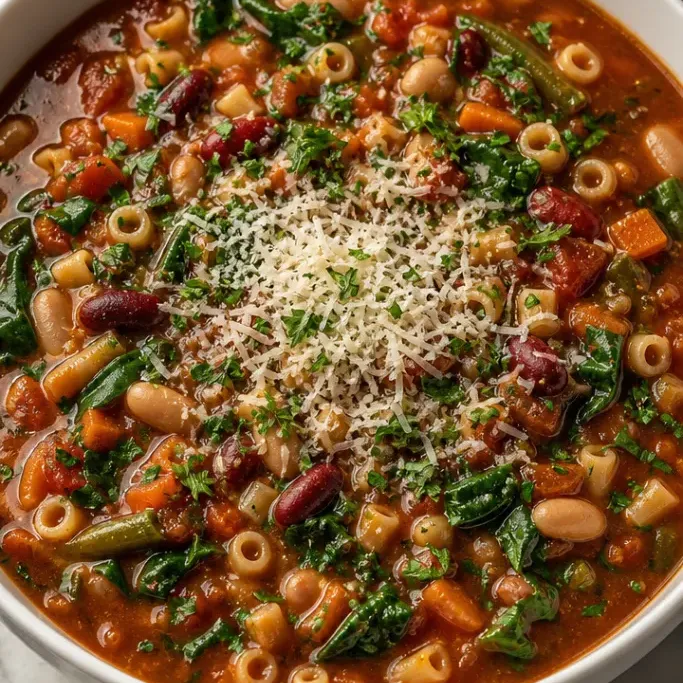
Why I Love This Recipe
The broth has real depth from the tomatoes and parmesan rind, not from hours of simmering. You get that thick, starchy body you know from the restaurant because the beans and pasta absorb the liquid as they cook.
It reheats beautifully, too. The flavors deepen overnight, so a batch on Sunday carries you through Monday and Tuesday without any effort.
Recipe Ingredients
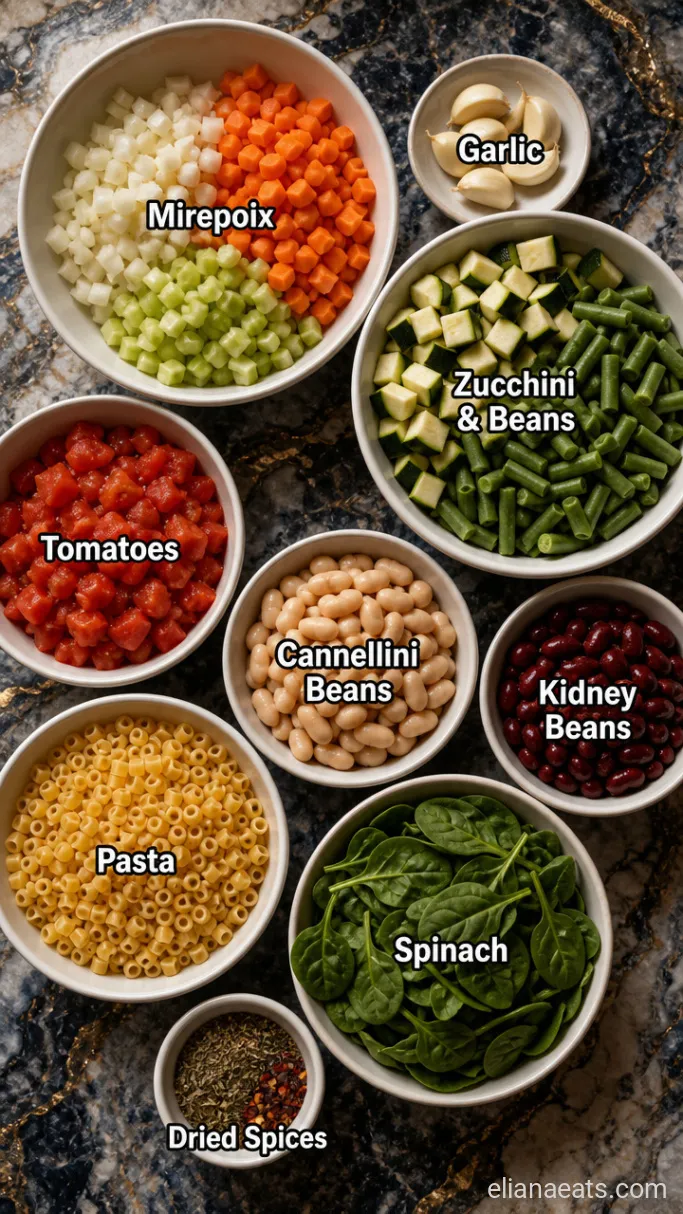
- 1 tbsp olive oil – For sautéing the vegetables; any neutral oil works
- 1 medium yellow onion, diced – The flavor base; white onion is a fine swap
- 3 medium carrots, peeled and diced – Adds sweetness and color
- 3 stalks celery, diced – Classic mirepoix element; don’t skip it
- 4 cloves garlic, minced – Fresh is noticeably better here than jarred
- 1 medium zucchini, diced – Adds bulk; yellow squash works just as well
- 1 cup green beans, trimmed and cut into 1-inch pieces – Fresh or frozen both work
- 1 can (14.5 oz) diced tomatoes – Use fire-roasted for a slightly smokier broth
- 1 can (15 oz) cannellini beans, drained and rinsed – Creamy and mild; navy beans are a good substitute
- 1 can (15 oz) kidney beans, drained and rinsed – Brings color and a firmer texture
- 4 cups vegetable broth – Low-sodium lets you control the salt level
- 2 cups water – Thins the broth to the right consistency
- 1 tsp dried oregano – A key note in that Olive Garden flavor profile
- 1 tsp dried basil – Pairs with the tomatoes; fresh basil added at the end is even better
- 1/2 tsp dried thyme – Background warmth; don’t overdo it
- 1/2 tsp red pepper flakes – Optional heat; adjust to taste
- 1 parmesan rind – Optional but highly recommended; it builds richness in the broth
- 1 cup small pasta (ditalini or small shells) – Cooks directly in the soup; ditalini is the most authentic choice
- 2 cups fresh baby spinach – Stirred in at the end; kale works if you want it to hold up longer
- Salt and black pepper to taste – Season in layers as you go
- Fresh parsley, chopped, for garnish – Brightens the finished bowl
- Grated parmesan, for serving – Add at the table, not in the pot
Variations / Substitutions
- Gluten-free pasta – Use a rice-based small pasta and add it 2 minutes later than directed, since it softens faster.
- Kale instead of spinach – Stir it in with the pasta rather than at the end; it needs 8 to 10 minutes to become tender.
- Chickpeas instead of kidney beans – The broth stays the same; chickpeas are slightly nuttier and hold their shape well.
- Extra heat – Double the red pepper flakes or add a small chopped serrano with the onion for a sharper, lingering heat.
- Vegan version – Skip the parmesan rind and use a nutritional yeast sprinkle at serving; the broth will be lighter but still good.
- Chicken broth instead of vegetable – The soup becomes noticeably richer and less bright; great if you have leftover rotisserie chicken to add.
If you enjoy vegetable soups like this one, Olive Garden Pasta e Fagioli Copycat Recipe is worth trying next.
How To Make Minestrone Soup
Step 1: Soften the Vegetables
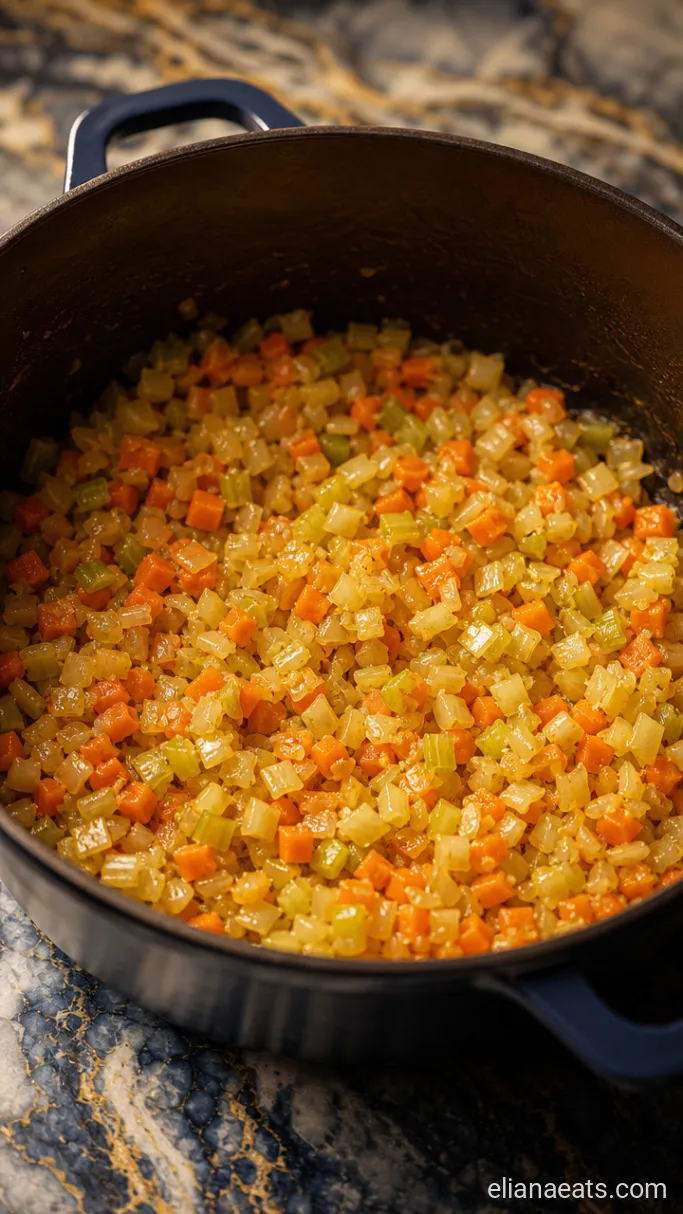
Heat the 1 tbsp olive oil in a large pot or Dutch oven over medium heat. Add the diced onion, 3 carrots, and 3 stalks of celery. Cook, stirring occasionally, for about 6 minutes until the onion turns translucent and the carrots begin to soften. Add the 4 cloves of minced garlic and cook for another 1 minute, just until fragrant.
You’re building the flavor base here, so don’t rush it. If the vegetables start sticking before they’re soft, lower the heat slightly rather than adding more oil.
Step 2: Brown the Tomatoes
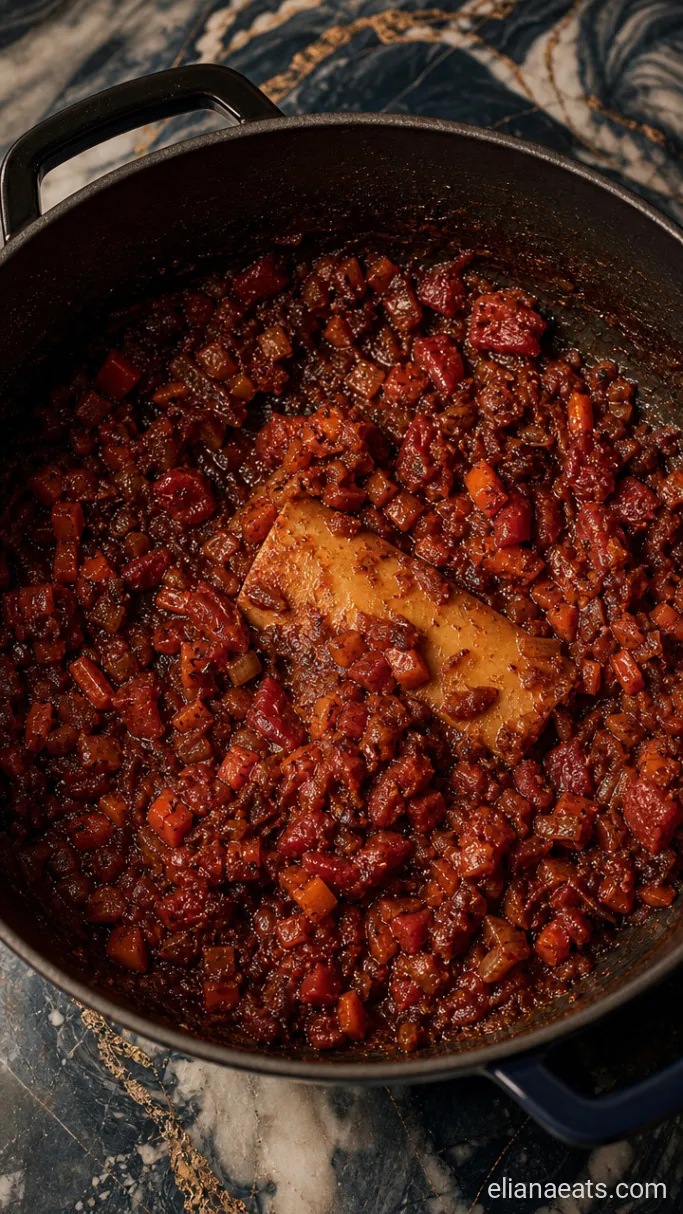
Add the 1 can of diced tomatoes directly to the pot and stir everything together. Raise the heat to medium-high and let the tomatoes cook with the vegetables for about 3 minutes, stirring occasionally, until the liquid reduces slightly and the mixture smells sweet and a little concentrated.
This short cook-down deepens the tomato flavor before the broth goes in. Skipping it means a thinner, more acidic broth, which is the most common reason homemade minestrone tastes flat.
Step 3: Simmer the Broth
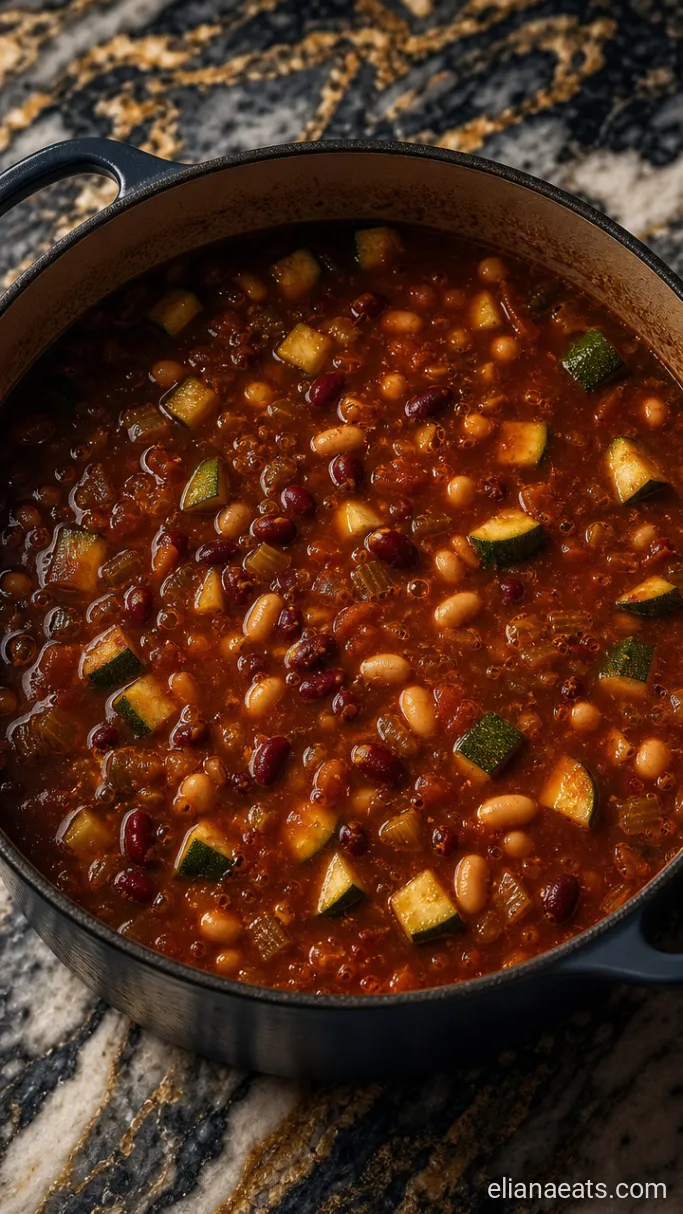
Pour in the 4 cups of vegetable broth and the 2 cups of water. Add the drained cannellini beans, drained kidney beans, 1 tsp oregano, 1 tsp basil, 1/2 tsp thyme, 1/2 tsp red pepper flakes, and the parmesan rind if you’re using one. Bring the pot to a boil over high heat, then reduce to a steady simmer over medium-low. Cook for 15 minutes to let the flavors come together.
The broth will deepen in color and take on a slightly glossy quality as the parmesan rind melts into it. Fish out the rind before the next step.
Step 4: Cook the Pasta and Green Beans
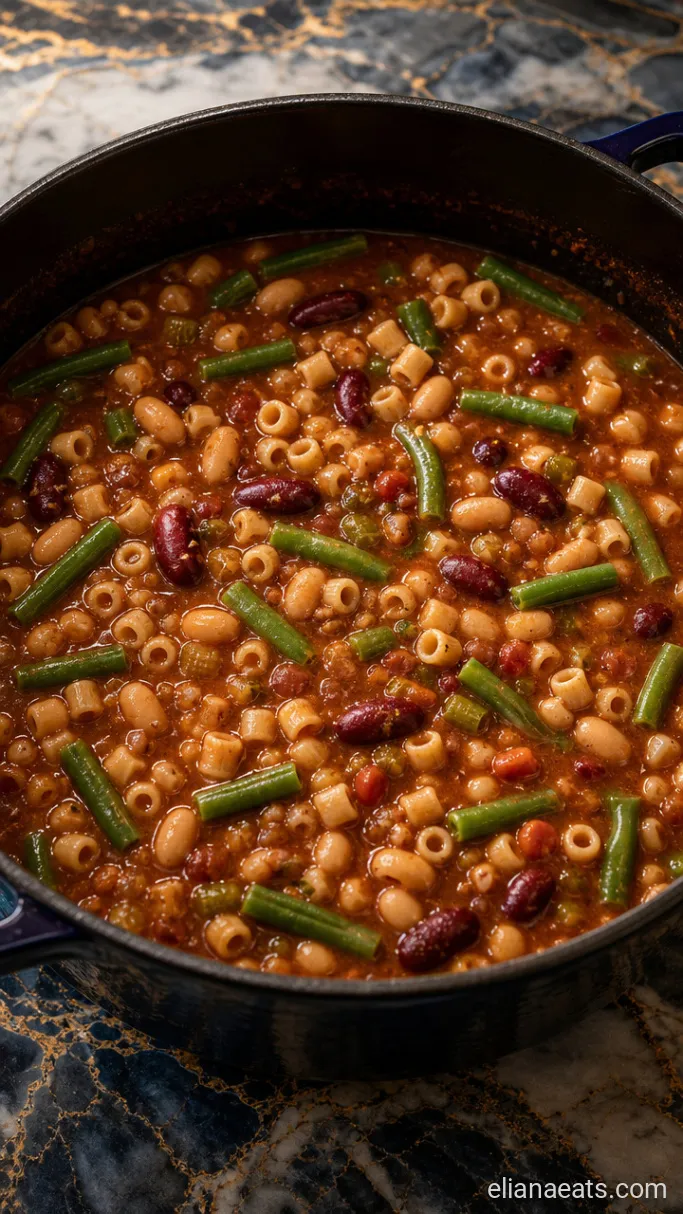
Add the 1 cup diced green beans and 1 cup of ditalini or small shell pasta directly to the simmering soup recipe. Cook for 8 to 10 minutes, stirring every couple of minutes so the pasta doesn’t stick to the bottom, until the pasta is just tender and the green beans are cooked through but still have a little bite.
The soup will thicken noticeably as the pasta releases starch. If it looks thicker than you like, add a splash of water or broth and stir.
Step 5: Wilt the Spinach and Finish the Bowl
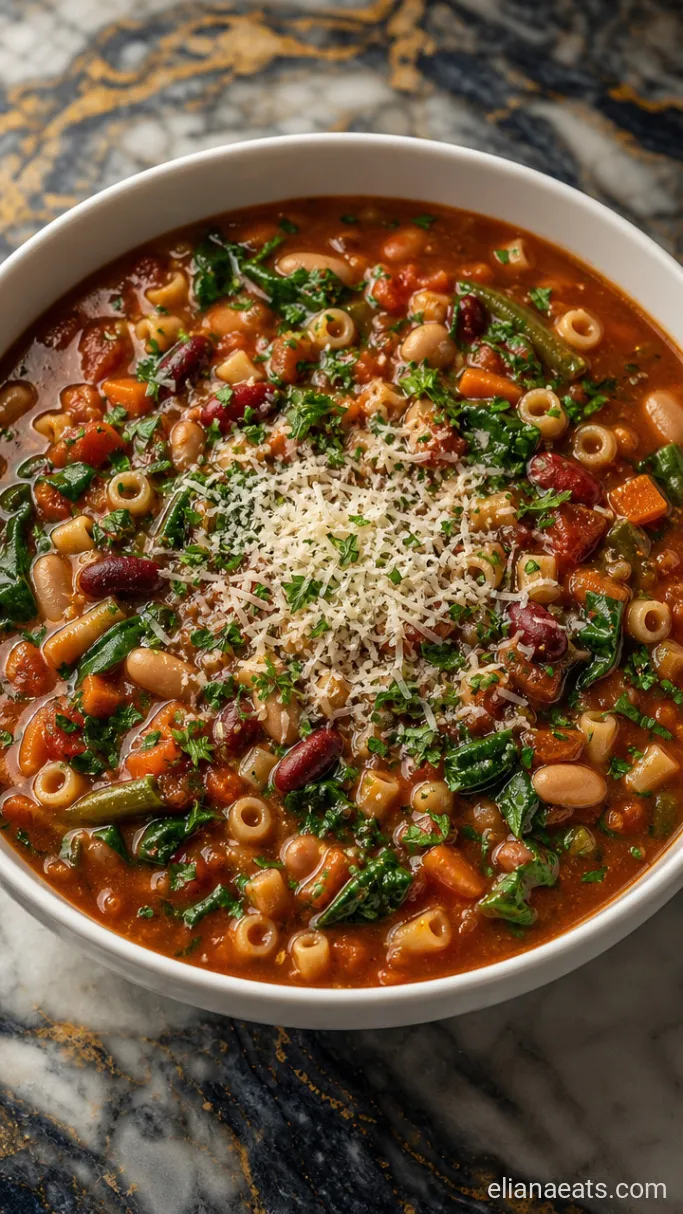
Take the pot off the heat and stir in the 2 cups of fresh baby spinach and the 1 cup of diced zucchini. The residual heat will wilt the spinach in about 1 minute and just soften the zucchini without making it mushy. Taste the broth and add salt and black pepper as needed.
Ladle the soup into bowls and top each one with a pinch of chopped fresh parsley and a generous spoonful of grated parmesan, so the cheese melts slightly into the hot broth.
Recipe Tips
- Use a parmesan rind. Save rinds in a zip-top bag in the freezer. Even a small piece, 2 to 3 inches, gives the broth a richness that no amount of seasoning can replicate.
- Don’t overcook the pasta. Pull the soup off the heat when the pasta still has the faintest chew. It will continue to soften in the hot broth as it sits, and leftover soup will have very soft pasta by the next day.
- Salt in stages. Season after the broth goes in, then taste again after the pasta cooks. The pasta and beans both absorb salt as they cook, so what tasted right at the start may need a top-up at the end.
- Store pasta separately if you’re making a big batch. If you know you’ll have leftovers, cook the pasta on the side in salted water and add it directly to each bowl. It keeps the texture consistent for days.
Cook times vary slightly by pasta shape and size:
| Pasta Shape | Size | Simmer Time in Soup |
|---|---|---|
| Ditalini | Small tube | 8 to 10 minutes |
| Small shells | Small | 9 to 11 minutes |
| Elbow macaroni | Small | 7 to 9 minutes |
| Orzo | Small | 6 to 8 minutes |
How To Store
- Refrigerate – Store in an airtight container for up to 4 days. The broth thickens considerably as it sits because the pasta absorbs liquid; add a splash of water or broth when reheating to loosen it back up.
- Reheating – Warm on the stovetop over medium heat, stirring occasionally, or microwave in 90-second intervals, stirring between each, until hot throughout.
What To Serve With Minestrone Soup
A thick slice of crusty bread or a warm breadstick is the natural choice here because you want something to scoop up the starchy broth. A simple green salad with a sharp vinaigrette works well alongside it since the bright acid cuts through the richness of the beans and parmesan. If you want to turn it into a bigger spread, a flat cheese board with sharp provolone and olives mirrors the Italian-American flavors already in the bowl.
Frequently Asked Questions
Can I make this soup ahead of time?
Yes, but cook and store the pasta separately. The soup base keeps well for up to 4 days; the pasta turns very soft once it sits in the broth overnight.
Can I freeze minestrone soup?
Freeze the soup without the pasta for up to 3 months. Cook fresh pasta and add it when you reheat, otherwise it turns to mush after thawing.
My soup tastes too acidic. How do I fix it?
Stir in a small pinch of sugar or add an extra parmesan rind and let it simmer for 5 more minutes. Both bring the acidity into balance without changing the overall flavor.
Can I use canned green beans instead of fresh or frozen?
You can, but add them in the last 2 minutes of cooking rather than with the pasta. Canned green beans are already soft and will fall apart if they simmer for the full 8 to 10 minutes.
—
Olive Garden Minestrone Soup Recipe
Ingredients
Method
- Heat 1 tbsp olive oil over medium heat in a large pot. Cook the onion, carrots, and celery for 6 minutes until softened, then add the garlic and cook 1 minute more.
- Add the diced tomatoes, raise to medium-high heat, and cook for 3 minutes until slightly reduced.
- Add the vegetable broth, water, cannellini beans, kidney beans, oregano, basil, thyme, red pepper flakes, and parmesan rind. Bring to a boil, then simmer on medium-low for 15 minutes. Remove the parmesan rind.
- Add the green beans and pasta. Simmer for 8 to 10 minutes, stirring occasionally, until the pasta is just tender.
- Remove from heat, stir in the spinach and zucchini, and let stand 1 minute. Season with salt and pepper, then ladle into bowls and top with fresh parsley and grated parmesan.
