
Crumbl Cookies Copycat Recipe (Easy Homemade Version)

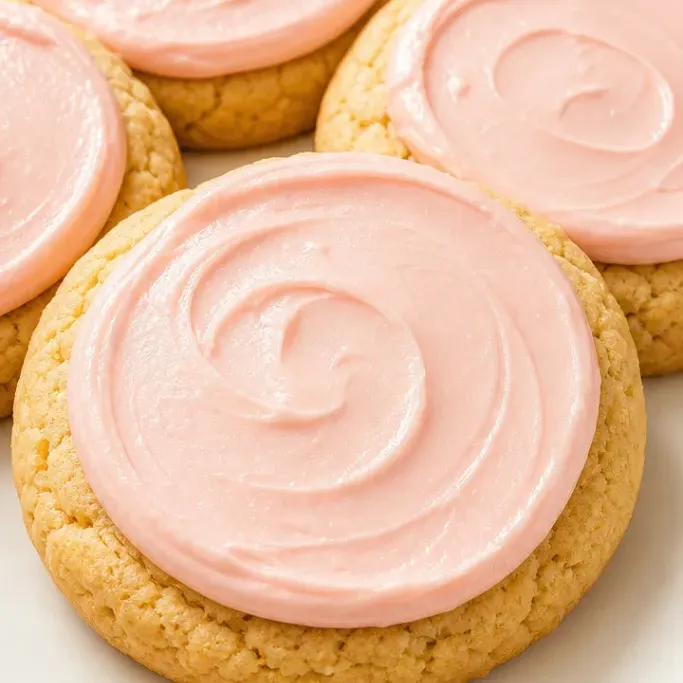
Homemade Crumbl cookies are thick, bakery-style sugar cookies with a soft, almost cake-like center and a rich pink almond frosting. If you love the real thing but would rather skip the trip and the $5-per-cookie price tag, this recipe gets you there with pantry staples in about an hour.
The cookies bake up wide and pillowy, just like the original. Make them on a weeknight and they’ll still be soft the next day.
Why I Love This Recipe
The almond extract in both the dough and the frosting is what makes these taste like the real thing, not just a generic sugar cookie.
They’re also genuinely easy to get right. The dough is soft but not sticky, and the cookies spread just enough in the oven without going flat.
This is the version I keep coming back to when I want something that looks impressive but doesn’t ask much of me on a Tuesday night.
Recipe Ingredients
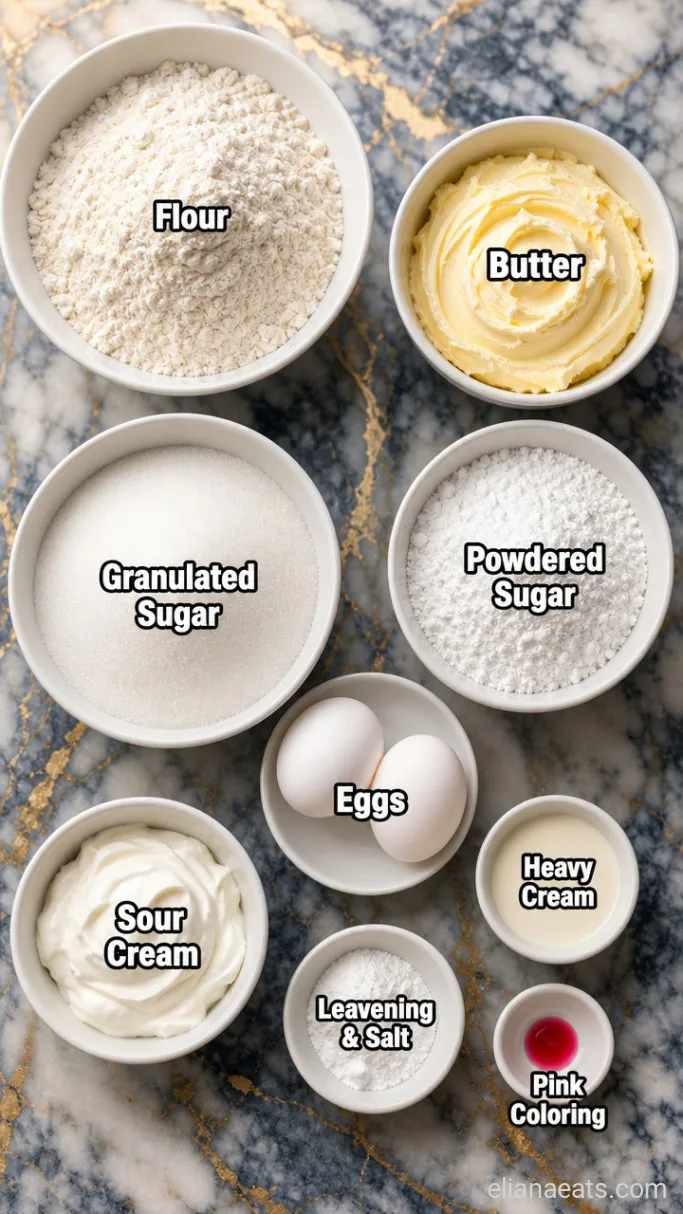
- 2 3/4 cups all-purpose flour – Spooned and leveled; too much flour makes them cakey and dry
- 1/2 tsp baking soda – Helps with spread and a slight lift
- 1 tsp baking powder – Gives the center that thick, soft texture
- 1/2 tsp fine salt – Balances the sweetness; don’t skip it
- 1 cup unsalted butter, softened – Room temperature is key; cold butter won’t cream properly
- 1 1/4 cups granulated sugar – For the dough; gives a crisp edge and a tender crumb
- 2 large eggs – Room temperature; adds structure and richness
- 1/4 cup sour cream – The secret to keeping them soft for days
- 1 tsp almond extract – This is the flavor that makes them taste like Crumbl
- 1 tsp vanilla extract – Rounds out the almond
For the pink almond frosting:
- 1/2 cup unsalted butter, softened – For the frosting base
- 2 cups powdered sugar, sifted – Sift it so the frosting is smooth, not grainy
- 2 tbsp heavy cream – Adds richness and makes it spreadable; whole milk works in a pinch
- 1/2 tsp almond extract – Matches the dough and gives that signature Crumbl flavor
- 1/4 tsp vanilla extract – Just a touch for depth
- 1 to 2 drops pink gel food coloring – Gel holds color better than liquid
Variations / Substitutions
- Butter swap – Brown the butter for the dough first and let it re-solidify in the fridge for an hour; it adds a nutty, toasted note to the finished cookie.
- Dairy-free – Use vegan butter (stick-style, not spread) in both the dough and frosting, and swap the sour cream for full-fat coconut cream; the texture is close but slightly denser.
- Vanilla-only – Skip the almond extract and double the vanilla for a classic sugar cookie flavor; it’s a good option for anyone sensitive to almond.
- Less sweet frosting – Start with 1 1/2 cups powdered sugar and add more to taste; the frosting still pipes and spreads well with a little less sugar.
- Add lemon – Replace the almond extract with 1 tsp lemon extract and add 1 tsp lemon zest to the dough for a bright, citrusy version.
If you enjoy thick bakery-style cookies, you might also like a Crumbl Chocolate Chip Cookie Copycat Recipe.
How To Make Crumbl Cookies
Step 1: Cream the Butter and Sugar
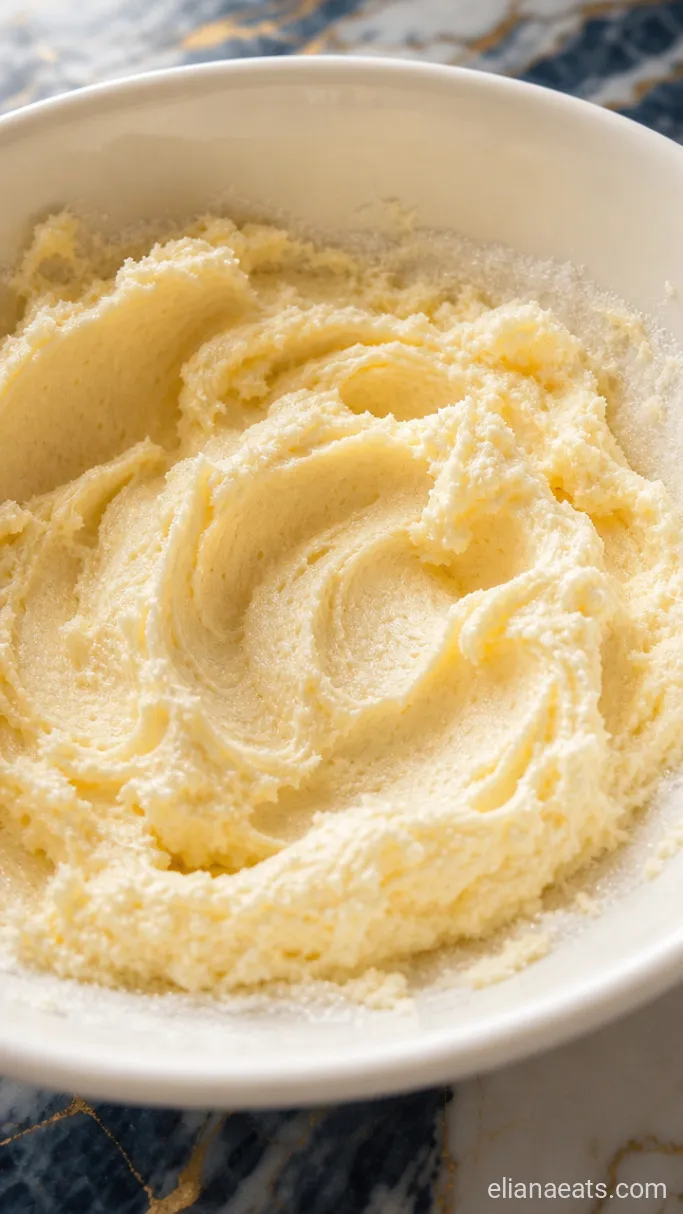
Set your oven to 375°F (190°C) now so it’s ready when the dough is. In a large bowl, beat the 1 cup softened unsalted butter and 1 1/4 cups granulated sugar together on medium speed for 3 full minutes. You want the mixture to look pale and noticeably fluffy, not just combined.
Add the 2 large eggs one at a time, beating for 20 to 30 seconds after each one. Then add the 1/4 cup sour cream, 1 tsp almond extract, and 1 tsp vanilla extract. Beat until the mixture is smooth and creamy, about 30 more seconds. It may look slightly curdled for a moment; keep beating and it comes together.
Don’t rush the creaming step. Three minutes of beating is what builds the structure that keeps these cookies thick and soft in the center rather than flat and crispy.
Step 2: Fold in the Dry Ingredients
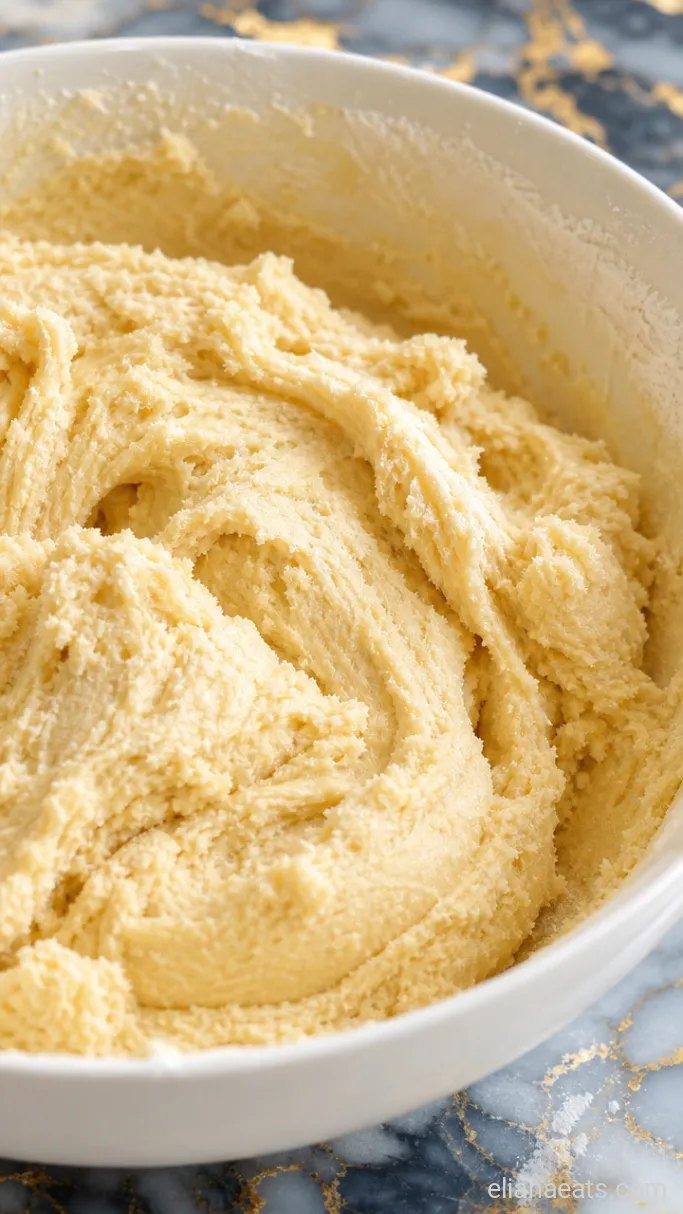
In a separate bowl, whisk together the 2 3/4 cups all-purpose flour, 1/2 tsp baking soda, 1 tsp baking powder, and 1/2 tsp fine salt. Add the flour mixture to the butter mixture in 2 batches, mixing on low speed just until no dry streaks remain, about 30 seconds per batch.
The dough will be soft and a little thick, similar to a stiff sugar cookie dough. It should pull away from the sides of the bowl cleanly.
Stop mixing the moment the flour disappears. Overmixing develops gluten and makes the cookies tough rather than tender.
Step 3: Shape and Bake the Cookies
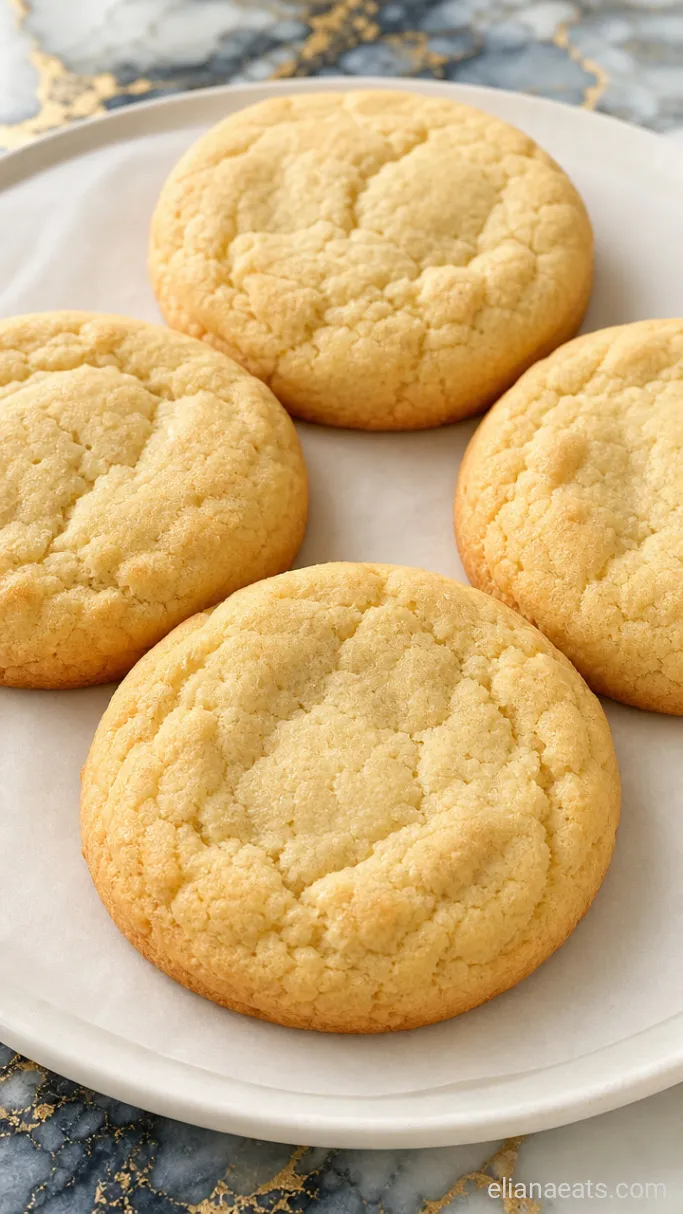
Line 2 large baking sheets with parchment paper. Scoop the dough into balls using a 3-tablespoon cookie scoop for this delicious cookie recipe, about 12 cookies total, and place them at least 3 inches apart. Gently flatten each ball to about 3/4-inch thick with the palm of your hand or the bottom of a glass.
Bake at 375°F (190°C) for 10 to 12 minutes, until the edges are set and just barely starting to look golden. The centers will look slightly underdone and matte, not wet. They firm up completely as they cool on the pan.
Pull them out on the early side if you can. A cookie that looks like it needs 2 more minutes usually doesn’t, and overbaking is the main reason homemade versions lose that soft, pillowy center.
Step 4: Whisk the Frosting
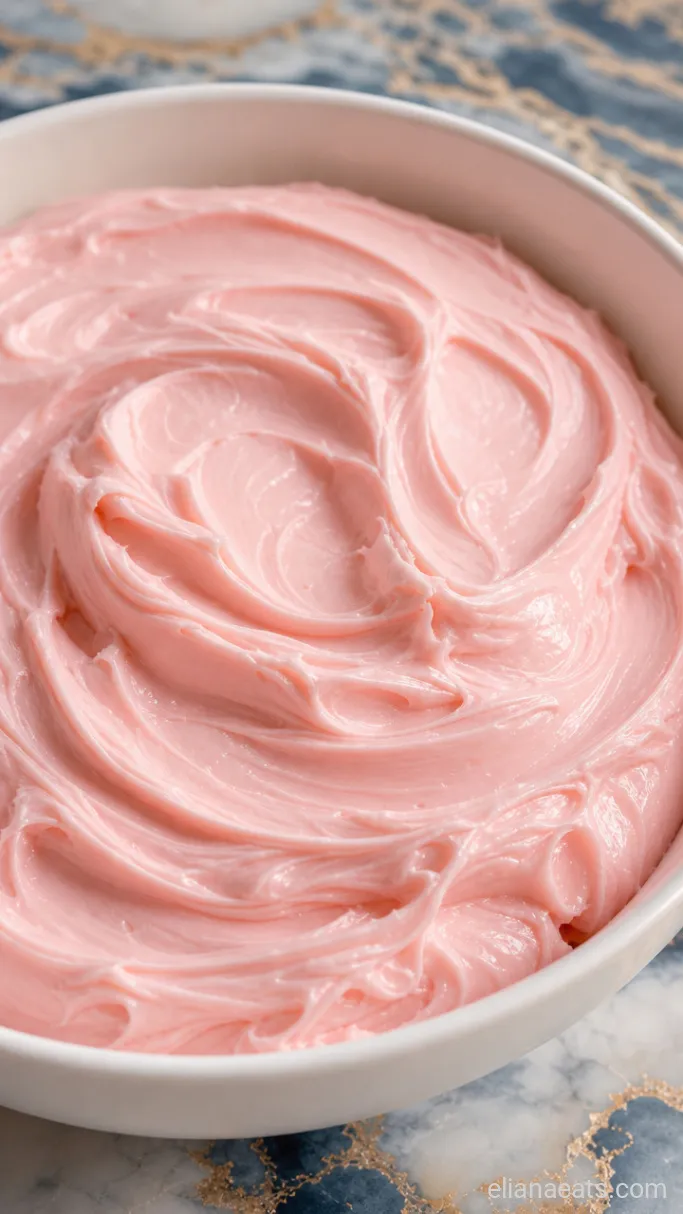
While the cookies cool on the pan for 15 minutes, beat the 1/2 cup softened unsalted butter in a clean bowl on medium speed until smooth, about 1 minute. Add the 2 cups sifted powdered sugar and mix on low to start, then increase to medium-high and beat for 2 minutes until light and fluffy.
Add the 2 tbsp heavy cream, 1/2 tsp almond extract, 1/4 tsp vanilla extract, and 1 to 2 drops pink gel food coloring. Beat for another 30 seconds until the color is even and the frosting is thick but spreadable, like a soft buttercream.
Step 5: Frost and Serve the Cookies
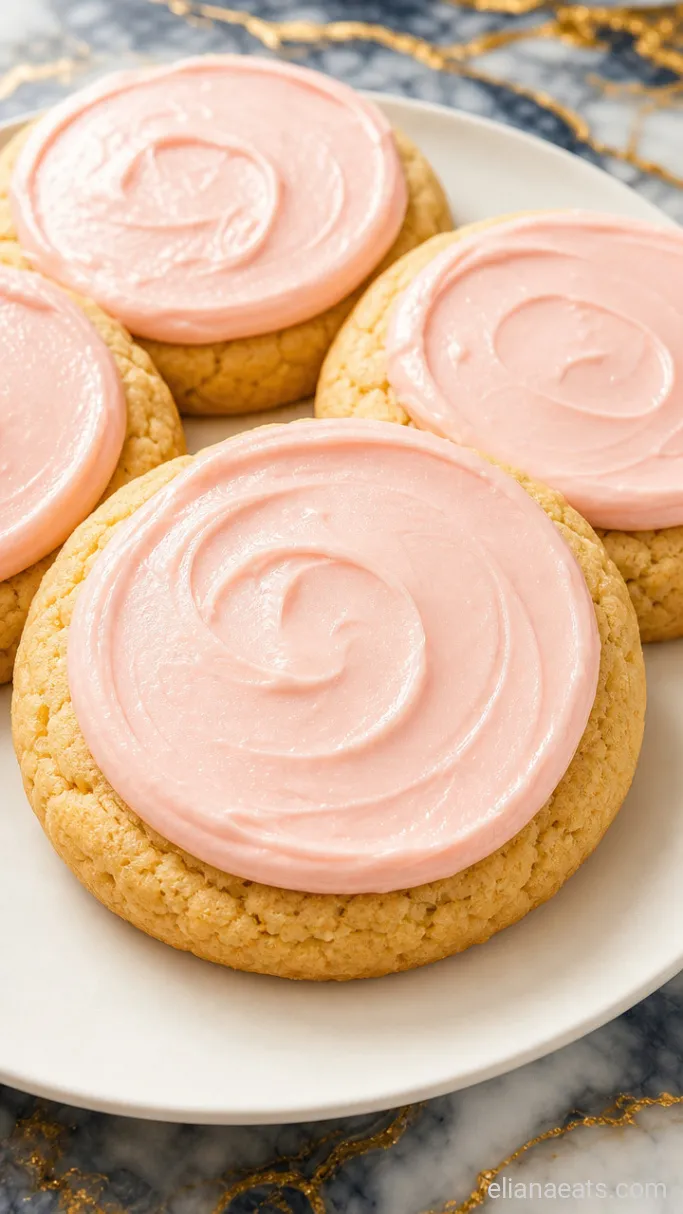
Once the cookies are fully cooled, spoon about 2 tbsp of frosting onto the center of each cookie. Use the back of the spoon to spread it outward in a gentle spiral, leaving a small border at the edge. Sprinkle with a pinch of flaky sea salt if you have it — the salt cuts the sweetness and makes the almond flavor pop.
Transfer the frosted cookies to a serving platter and serve at room temperature, where the frosting is soft and the cookie is at its best.
Recipe Tips
- Use a kitchen scale for the flour if you have one. Measure to 345g. Spooning flour into a measuring cup is the next best option; scooping directly packs it in and can add up to 30% more flour than the recipe intends.
- Your butter must be genuinely soft. Press a finger into it; it should give easily without being greasy or melted. Cold butter won’t cream, and melted butter makes the cookies spread too thin.
- Cool the cookies completely before frosting. Even slightly warm cookies will melt the frosting and it’ll slide off the sides. Fifteen minutes on the pan, then another 10 on a rack is enough.
- Gel food coloring vs. liquid – A single drop of gel gives a consistent pastel pink. Liquid food coloring can thin the frosting and take 5 or 6 drops to get the same color.
Bake times by pan size (oven at 375°F / 190°C):
| Pan Type | Cookie Size | Bake Time |
|---|---|---|
| Light-colored aluminum | 3 tbsp scoop | 10 to 11 mins |
| Dark nonstick | 3 tbsp scoop | 9 to 10 mins |
| Insulated baking sheet | 3 tbsp scoop | 11 to 13 mins |
How To Store
- Refrigerate – Store frosted cookies in an airtight container in the fridge for up to 5 days. Stack them with a sheet of parchment between layers so the frosting doesn’t stick.
- Reheating – Let refrigerated cookies sit at room temperature for 20 to 30 minutes before eating; cold cookies lose that soft texture. A 10-second zap in the microwave also works.
- Serve Cold – The cookies are actually quite good eaten cold straight from the fridge; the frosting firms up and the almond flavor comes through more clearly.
What To Serve With Crumbl Cookies
These cookies are rich on their own, so they pair best with something cold and slightly bitter. A glass of cold whole milk is the obvious move, and it works because the fat in the milk tempers the sweetness of the frosting. Strong cold brew coffee does the same job differently, with the bitterness drawing out the almond flavor in the cookie rather than muting it. If you’re serving these at a gathering, set them out alongside a fruit platter; the acidity from fresh strawberries or raspberries cuts right through the buttery dough and makes the whole thing feel lighter.
Frequently Asked Questions
Can I freeze the cookie dough ahead of time?
Yes. Scoop and flatten the dough balls, freeze them on a baking sheet until solid (about 1 hour), then transfer to a zip bag. Bake straight from frozen at 375°F (190°C) and add 2 to 3 minutes to the bake time.
Why did my cookies spread too thin?
The most likely cause is butter that was too warm or melted rather than properly softened. Make sure your butter holds its shape at room temperature and hasn’t started to look shiny or greasy.
Can I make the frosting ahead?
Yes. Make it up to 3 days ahead and store it in an airtight container in the fridge. Let it come to room temperature for 30 minutes, then beat it briefly before spreading.
Do I need a stand mixer?
No. A handheld electric mixer works just as well. Creaming by hand with a wooden spoon is possible but takes real effort to get the butter fluffy enough.
—
Crumbl Cookies Recipe
Ingredients
Method
- Beat 1 cup softened butter and 1 1/4 cups granulated sugar on medium speed for 3 minutes until pale and fluffy. Add 2 eggs one at a time, then mix in 1/4 cup sour cream, 1 tsp almond extract, and 1 tsp vanilla extract until smooth.
- Whisk together 2 3/4 cups flour, 1/2 tsp baking soda, 1 tsp baking powder, and 1/2 tsp salt. Add to the butter mixture in 2 batches on low speed, mixing just until no dry streaks remain.
- Preheat oven to 375°F (190°C). Scoop dough into 12 balls using a 3-tablespoon scoop, place on parchment-lined baking sheets 3 inches apart, and flatten each to 3/4-inch thick. Bake for 10 to 12 minutes until edges are set. Cool on the pan for 15 minutes.
- Beat 1/2 cup softened butter until smooth. Add 2 cups sifted powdered sugar, then 2 tbsp heavy cream, 1/2 tsp almond extract, 1/4 tsp vanilla extract, and 1 to 2 drops pink gel food coloring. Beat on medium-high for 2 minutes until fluffy.
- Spread about 2 tbsp frosting onto each cooled cookie in a spiral, leaving a small border at the edge. Arrange on a platter and serve at room temperature.
