
Crumbl Biscoff Cookie Copycat Recipe

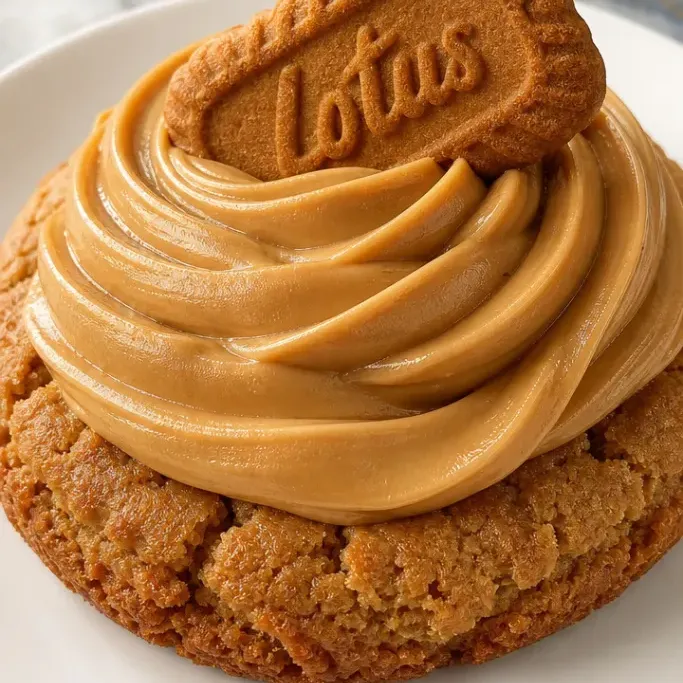
Crumbl’s Biscoff cookie is one of those limited-run flavors that people genuinely miss when it leaves the menu. This copycat gets you the same thick, soft-centered cookie with that warm, spiced caramel flavor of Lotus Biscoff spread, right from your own oven.
It’s a weekend-worthy bake that comes together faster than you’d think. One bowl, no chilling required, and a glossy Biscoff frosting on top that sets up beautifully.
Why I Love This Recipe
The cookie itself is dense and chewy in the center with just enough crisp at the edge, and the Biscoff spread goes into both the dough and the frosting so the flavor runs all the way through.
Lotus Biscoff spread is the one thing you really can’t swap here. That specific caramelized, slightly spiced taste is what makes these taste like the real thing rather than just a generic brown sugar cookie.
This is the version I keep coming back to when I want something that feels a little special on a Tuesday.
Recipe Ingredients
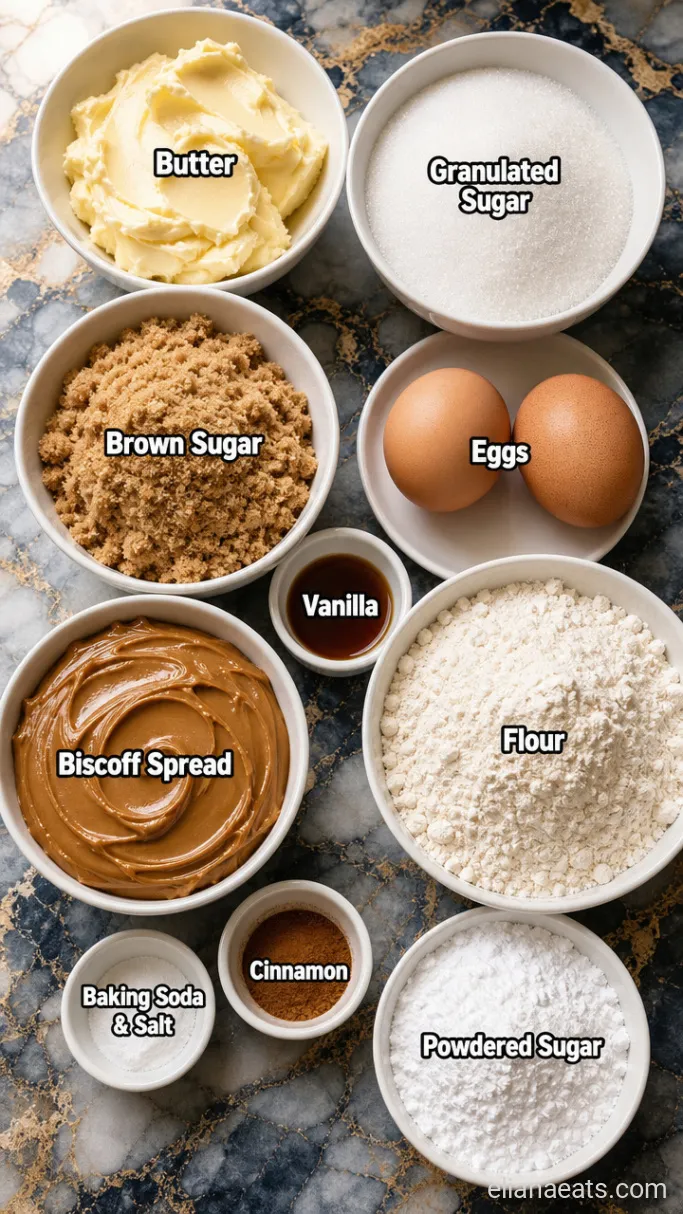
- 1 cup (225g) unsalted butter, softened – Room temperature butter creams smoothly and gives the cookie its tender structure
- 1 cup (200g) granulated sugar – Provides sweetness and helps the edges set with a slight crisp
- 1/2 cup (110g) packed light brown sugar – Adds a gentle molasses depth that complements the Biscoff flavor
- 2 large eggs – Binds the dough and adds richness; use eggs at room temperature
- 1 tsp vanilla extract – Rounds out the sweetness without competing with the Biscoff
- 3/4 cup (210g) Lotus Biscoff spread – The star of the dough; use the smooth variety
- 2 1/2 cups (315g) all-purpose flour – Spooned and leveled for accuracy
- 1 tsp baking soda – Gives the cookies a gentle lift so they stay thick, not flat
- 1/2 tsp fine salt – Balances the sweetness throughout
- 1 tsp ground cinnamon – Leans into the spiced, caramelized notes already in the Biscoff
For the Biscoff Frosting:
- 1/2 cup (115g) unsalted butter, softened – Start with soft butter so the frosting blends without lumps
- 1 cup (130g) powdered sugar, sifted – Sifting keeps the frosting smooth and glossy
- 1/2 cup (140g) Lotus Biscoff spread – Gives the frosting its signature color and flavor
- 2 tbsp heavy cream – Thins the frosting to a spreadable, glossy consistency
- Pinch of fine salt – Keeps the frosting from tasting one-dimensionally sweet
Variations / Substitutions
- Brown butter instead of regular – Brown the butter until nutty and golden, then chill it back to softened consistency; it adds a toasty depth to the cookie.
- Crunchy Biscoff spread – Using the crunchy variety in the dough adds small cookie-crumb bits throughout the texture; works well in the dough but stick to smooth for the frosting.
- Reduce sugar for less sweetness – You can drop the granulated sugar to 3/4 cup (150g) without affecting texture; the cookies will be less sweet but the Biscoff flavor comes through more clearly.
- Dairy-free – Swap the butter for a vegan block-style butter like Miyoko’s in both the dough and frosting, and use full-fat coconut cream in place of the heavy cream; the texture holds up well.
- Add a sprinkle – Crush 4 to 5 Biscoff cookies and scatter the crumbs over the frosting before it sets for a little crunch on top.
- Smaller cookies – Use a 2 tbsp scoop instead of a large one for 24 smaller cookies; reduce bake time to 9 to 10 minutes.
If you enjoy Lotus Biscoff flavors in baked goods, you might also like a Biscoff Cheesecake.
How To Make Biscoff Cookies
Step 1: Cream the Butter and Sugars
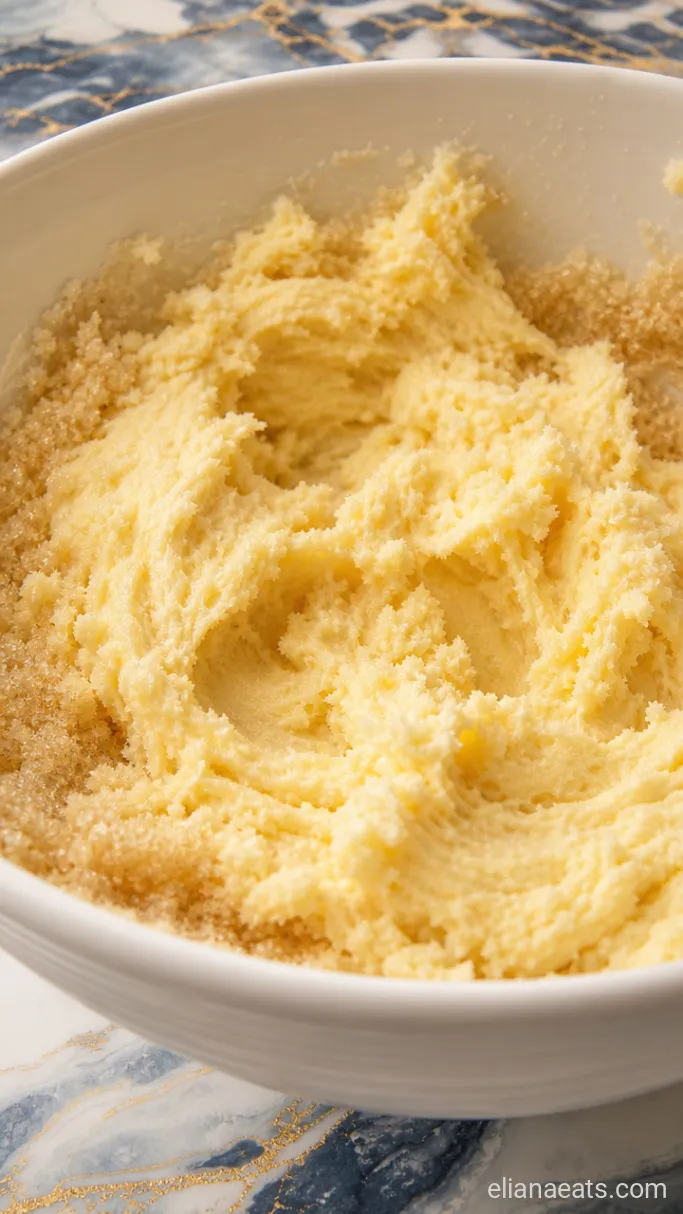
Preheat your oven to 375°F (190°C) and line 2 large baking sheets with parchment paper. Add the 1 cup (225g) softened butter, 1 cup (200g) granulated sugar, and 1/2 cup (110g) packed light brown sugar to a large bowl. Beat with a hand mixer or stand mixer on medium speed for about 3 minutes, until the mixture looks pale, fluffy, and noticeably increased in volume.
Don’t rush this step. Under-creamed butter and sugar gives you a denser, flatter cookie. You’re looking for a mixture that’s almost white and holds a soft peak when you lift the beater.
Step 2: Beat In the Eggs and Biscoff Spread
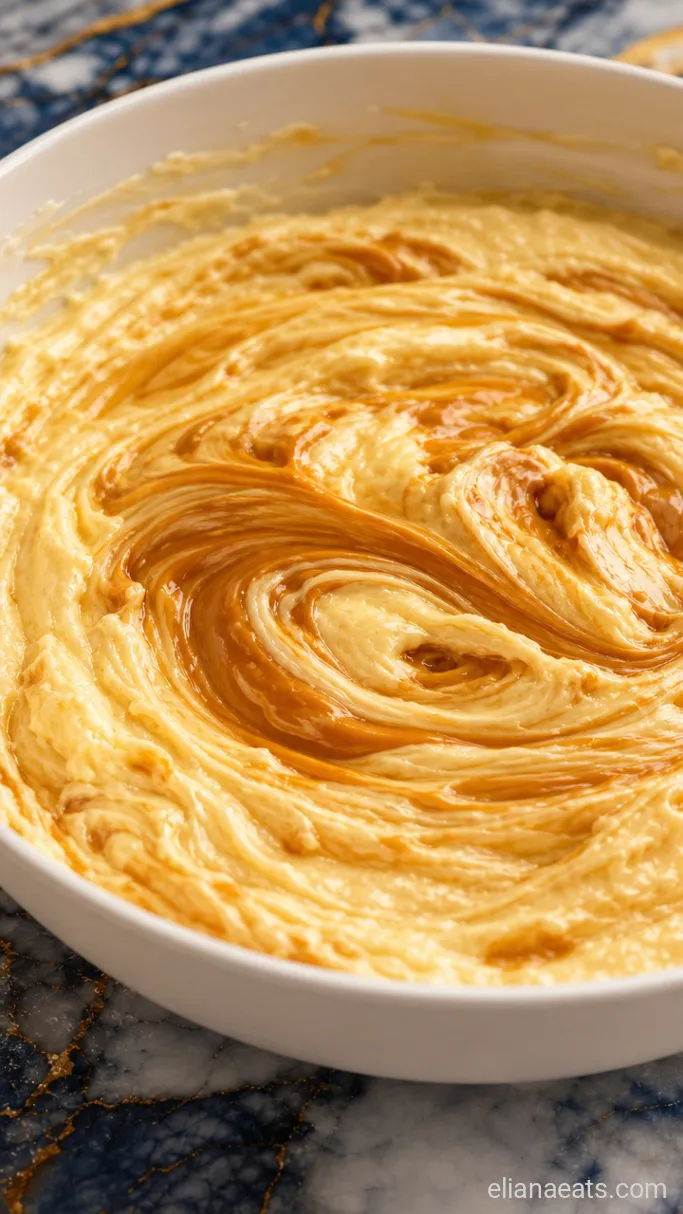
Add the 2 large eggs one at a time, beating for about 30 seconds after each one. Then add the 1 tsp vanilla extract and the 3/4 cup (210g) Lotus Biscoff spread. Mix on medium speed for another 60 seconds, until the batter looks smooth, glossy, and a uniform caramel color.
It’ll smell incredible at this point. The batter can look slightly curdled right after adding the eggs, but it pulls together once the Biscoff goes in.
Step 3: Fold In the Dry Ingredients
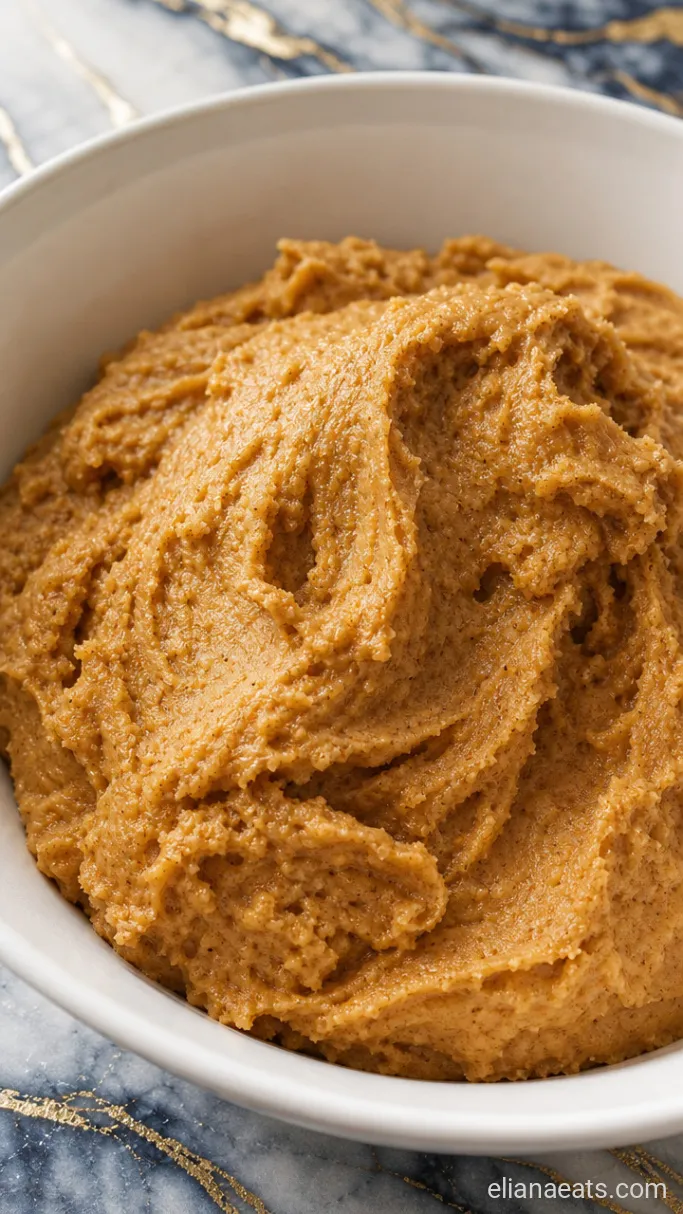
In a separate bowl, whisk together the 2 1/2 cups (315g) all-purpose flour, 1 tsp baking soda, 1/2 tsp fine salt, and 1 tsp ground cinnamon. Add the dry ingredients to the wet mixture all at once, then fold with a rubber spatula or mix on low speed until just combined, about 30 seconds. Stop the moment you don’t see any streaks of dry flour.
Overmixing at this stage develops gluten and makes the cookies tough. The dough will be thick and slightly sticky, which is exactly right.
Step 4: Scoop and Bake the Cookies
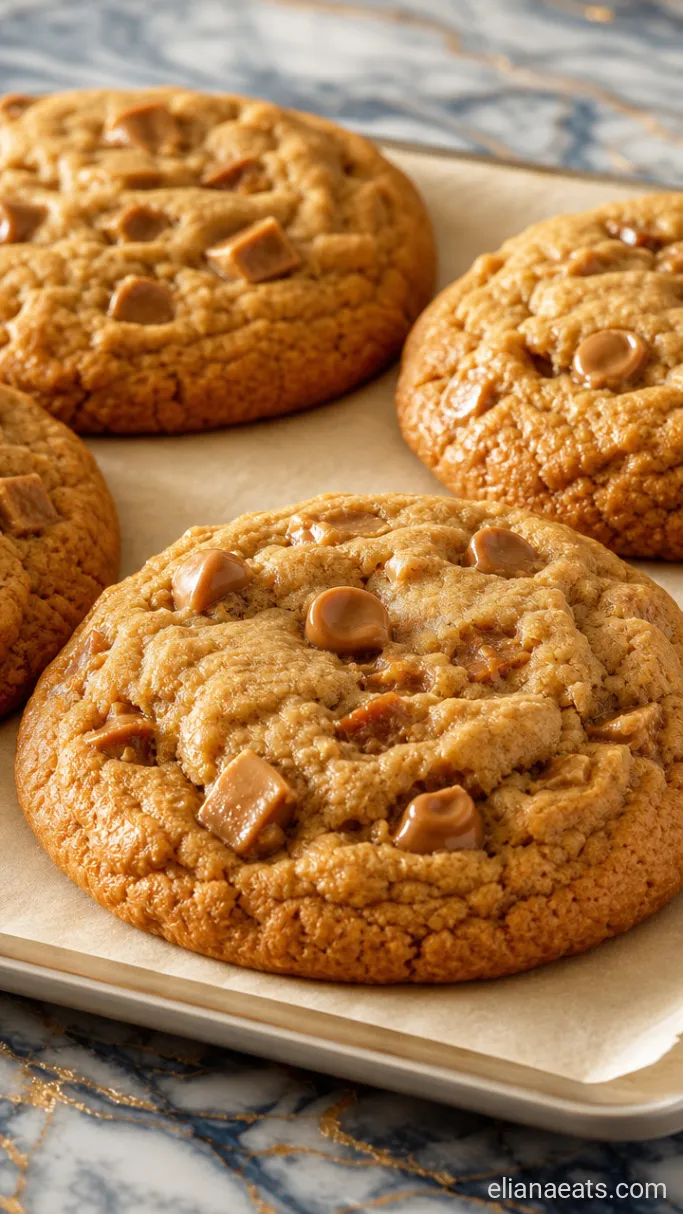
Use a large cookie scoop or a 1/4 cup measure to portion the dough into 12 equal balls, placing them at least 3 inches apart on the prepared baking sheets. Flatten each ball gently with your palm to about 3/4 inch thick. Bake at 375°F (190°C) for 11 to 13 minutes, until the edges are set and lightly golden but the centers still look slightly underdone.
Pull them out when the center looks a little soft. They continue to firm up on the pan as they cool, and that’s what gives you the thick, fudgy center Crumbl is known for. Let them cool on the pan for 10 minutes before transferring to a wire rack, then cool completely before frosting.
Step 5: Whisk the Biscoff Frosting
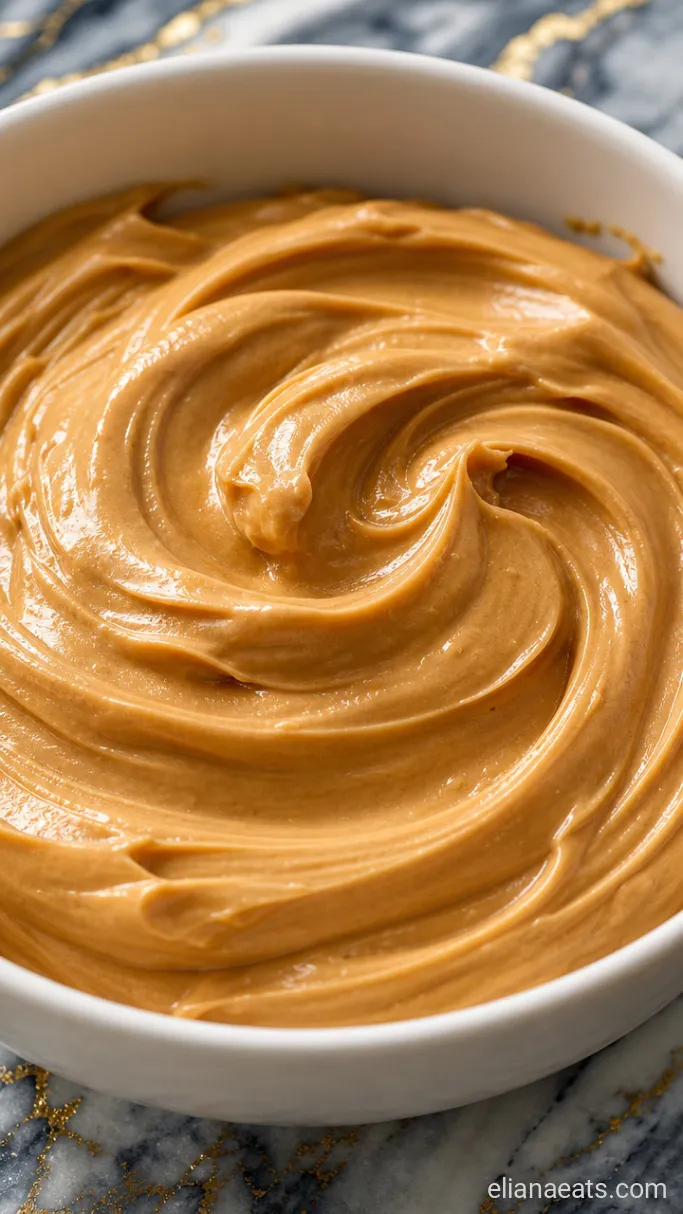
Beat the 1/2 cup (115g) softened butter on medium speed for 2 minutes until smooth. Add the 1 cup (130g) sifted powdered sugar, 1/2 cup (140g) Lotus Biscoff spread, 2 tbsp heavy cream, and a pinch of fine salt. Beat on medium-high for 2 to 3 minutes until the frosting is fluffy, glossy, and holds its shape without being stiff. If it’s too thick, add heavy cream 1 tsp at a time.
The frosting should be spreadable but not runny. It will hold a soft swirl when you drag a spoon through it, which means it’ll look good on the cookie without sliding off.
Step 6: Frost and Garnish the Cookies
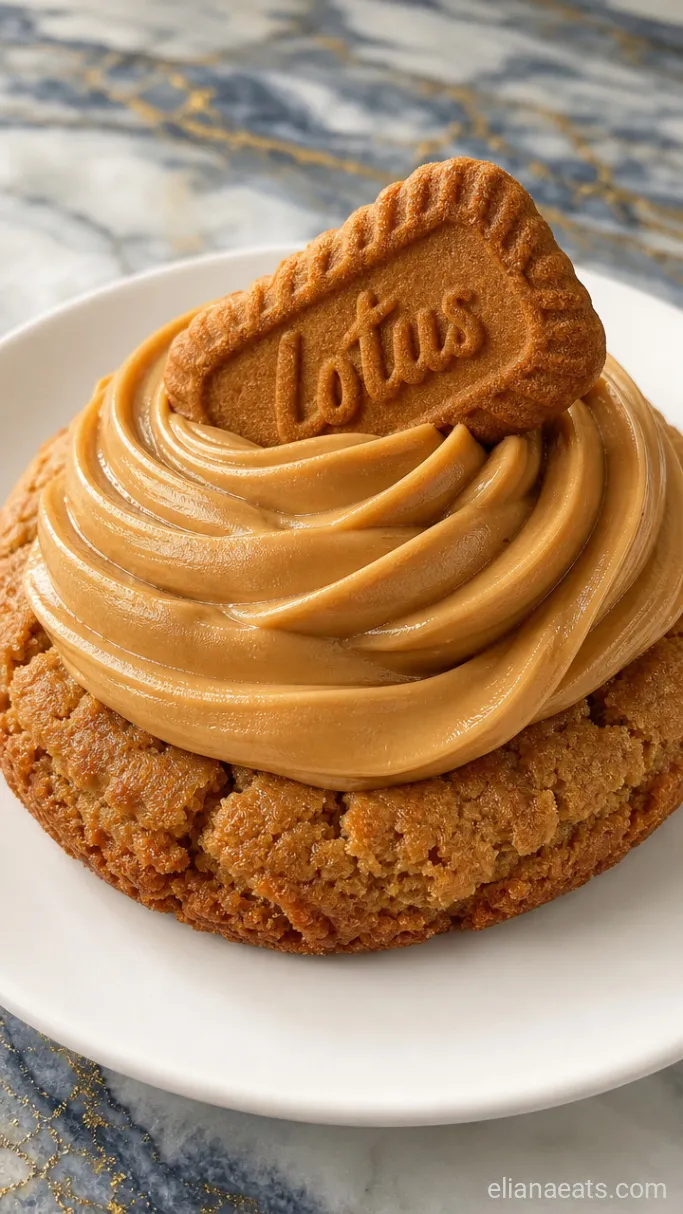
Spoon a generous dollop of frosting onto the center of each cooled cookie, then use the back of a spoon or a small offset spatula to swirl it outward in a circular motion, leaving a small unfrosted border around the edge. Finish each cookie with a half or quarter of a Lotus Biscoff cookie pressed gently into the center of the frosting.
Recipe Tips
- Use room temperature everything. Cold butter will not cream properly, and cold eggs can cause the batter to seize. Take both out at least 45 minutes before you start.
- Spoon and level your flour. Scooping directly with the measuring cup compacts the flour and can add up to 30% more than you need, which makes the cookies dry and cakey. Spoon it into the cup, then level off the top.
- Don’t skip lining the pan. Biscoff spread has a high sugar content, and cookies baked directly on an unlined pan tend to over-brown on the bottom before the center is done.
- The cookies will look underbaked when you pull them. That soft, slightly shiny center at the 11-minute mark is exactly what you want. If they look fully set in the oven, they’ll be overdone once cooled.
Bake times by pan size (at 375°F / 190°C):
| Cookie Size | Scoop Amount | Bake Time |
|---|---|---|
| Large (Crumbl-style) | 1/4 cup (60ml) | 11 to 13 mins |
| Medium | 2 tbsp (30ml) | 9 to 10 mins |
| Small | 1 tbsp (15ml) | 7 to 8 mins |
How To Store
- Refrigerate – Store frosted cookies in an airtight container in the fridge for up to 5 days. Layer them with parchment so the frosting doesn’t stick. Unfrosted cookies keep at room temperature in an airtight container for up to 3 days.
- Reheating – Let refrigerated cookies sit at room temperature for 20 minutes before eating. You can also microwave an unfrosted cookie for 10 seconds to revive the soft center.
What To Serve With Biscoff Cookies
A cold glass of whole milk is the obvious move, but it works because the fat in the milk cuts through the sweetness and cools your palate between bites. A black coffee or a strong latte does the same thing from the bitter side, and the roasted notes in the coffee pick up the caramelized flavor in the Biscoff. If you’re serving these as part of a dessert spread, a small scoop of vanilla bean ice cream alongside one warm unfrosted cookie turns it into a proper dessert plate.
Frequently Asked Questions
Can I freeze the cookie dough?
Yes. Scoop the dough into balls, freeze them on a baking sheet until solid, then transfer to a zip-lock bag for up to 2 months. Bake straight from frozen at 375°F (190°C), adding 2 to 3 minutes to the bake time.
Can I make the frosting ahead of time?
Yes, up to 3 days ahead. Store it in an airtight container in the fridge, then let it soften at room temperature for 30 minutes and give it a quick stir before spreading.
My cookies spread too flat. What went wrong?
The most likely cause is butter that was too warm or too soft before creaming. It should hold a thumbprint but not feel greasy. If your kitchen is very warm, chill the portioned dough balls for 15 minutes before baking.
Can I use cookie butter from a different brand?
Yes. Trader Joe’s Cookie Butter and Speculoos spread from other brands work the same way technically, but the flavor is slightly less intense than Lotus Biscoff, so the cookies will taste a little milder.
—
Crumbl Biscoff Cookie Recipe
Ingredients
Method
- Beat the 1 cup (225g) softened butter, 1 cup (200g) granulated sugar, and 1/2 cup (110g) brown sugar together on medium speed for 3 minutes until pale and fluffy.
- Add the 2 eggs one at a time, then mix in the 1 tsp vanilla extract and 3/4 cup (210g) Biscoff spread on medium speed for 60 seconds until smooth and glossy.
- Whisk the 2 1/2 cups (315g) flour, 1 tsp baking soda, 1/2 tsp salt, and 1 tsp cinnamon together in a separate bowl, then fold into the wet ingredients until just combined.
- Scoop the dough into 12 balls using a 1/4 cup measure, flatten each to 3/4 inch thick, and bake at 375°F (190°C) for 11 to 13 minutes until the edges are set and the centers look slightly underdone. Cool on the pan for 10 minutes, then transfer to a wire rack and cool completely.
- Beat the 1/2 cup (115g) softened butter for 2 minutes, then add the 1 cup (130g) sifted powdered sugar, 1/2 cup (140g) Biscoff spread, 2 tbsp heavy cream, and a pinch of salt. Beat for 2 to 3 minutes until fluffy and glossy.
- Swirl the frosting onto each cooled cookie with a spoon or small offset spatula, then press a piece of Biscoff cookie into the center of each one.
