
Costco Vanilla Cake Copycat Recipe

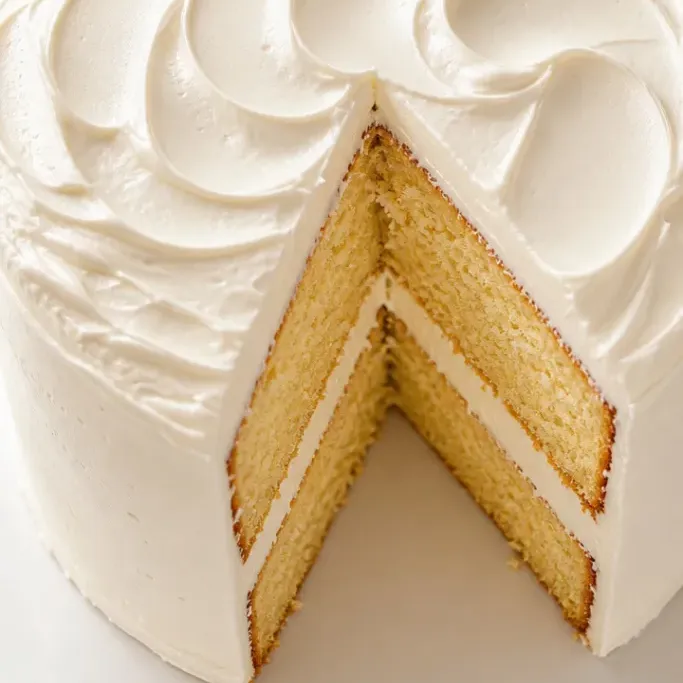
Costco’s vanilla sheet cake has a following for good reason: the crumb is soft and tight, the buttercream is thick enough to hold a swirl, and the whole thing tastes like it came from a real bakery. This copycat gets you there at home, without the half-sheet size or the trip to the warehouse.
It bakes in a standard 9×13 pan, feeds a crowd, and the frosting comes together in about 10 minutes.
Why I Love This Recipe
The cake itself is dense enough to hold up under a thick layer of frosting but still soft when you cut into it. That balance is hard to get right, and here it comes from using both butter and sour cream in the batter.
The frosting is the part people actually remember. It’s sweet and rich, but the pinch of salt and the vanilla pull it back from being cloying.
This is my go-to for birthdays, potlucks, and anytime I need a reliable cake option that travels well.
Recipe Ingredients
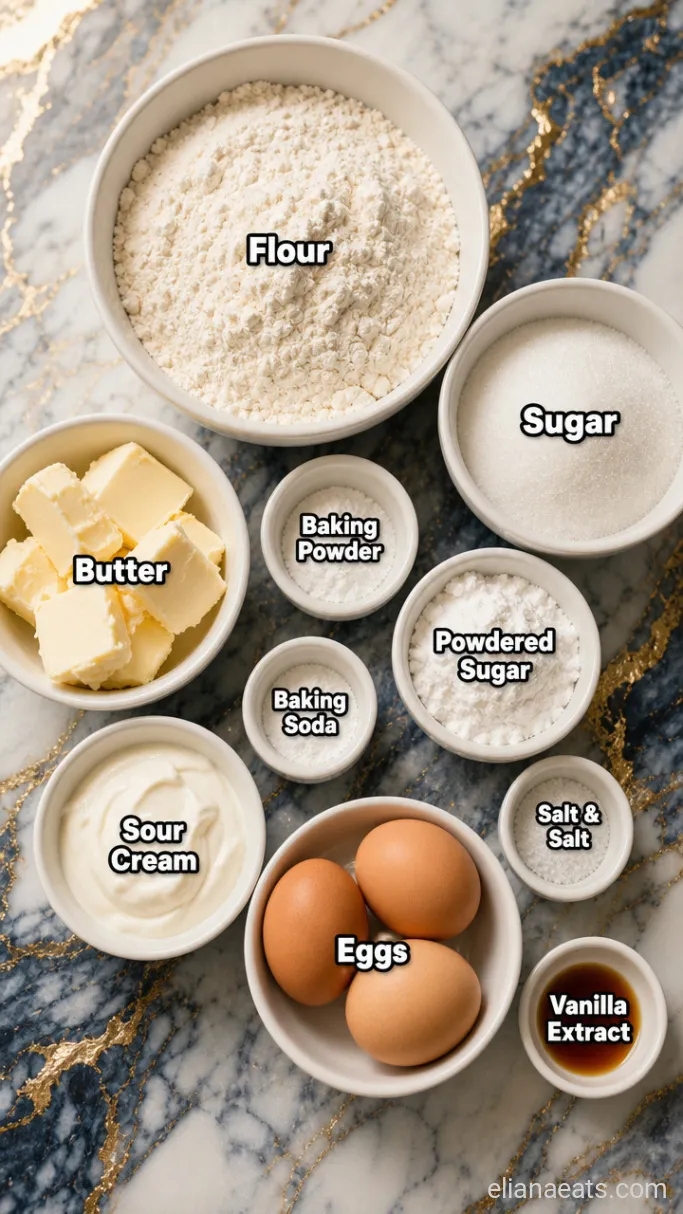
- 2 ½ cups all-purpose flour – Spoon and level it; packing the cup leads to a dense cake
- 2 tsp baking powder – Check the expiry date; old baking powder means flat cake
- ½ tsp baking soda – Works with the sour cream to give a little extra lift
- ½ tsp salt – Balances the sweetness in both batter and frosting
- 1 cup unsalted butter, softened (2 sticks) – Room temperature, not melted; it should leave a dent when pressed
- 1 ¾ cups granulated sugar – Plain white sugar gives the cleanest vanilla flavor
- 4 large eggs, room temperature – Cold eggs can make the batter look curdled
- 1 tbsp pure vanilla extract – Use pure, not imitation; it makes a real difference here
- 1 cup sour cream – Full-fat; keeps the crumb moist and tender for days
- ¼ cup whole milk – Loosens the batter slightly so it spreads evenly in the pan
For the Buttercream:
- 1 ½ cups unsalted butter, softened (3 sticks) – Softened to the same point as above
- 5 cups powdered sugar, sifted – Sifting prevents a gritty texture in the finished frosting
- 3 tbsp heavy cream – Adds body; sub whole milk if needed but the frosting will be slightly thinner
- 2 tsp pure vanilla extract – Goes in at the end so the flavor stays bright
- ¼ tsp salt – Keeps the frosting from tasting flat
Variations / Substitutions
- Cake flour instead of all-purpose – Swap 1:1 for a slightly lighter, more tender crumb with a finer texture.
- Greek yogurt instead of sour cream – Full-fat Greek yogurt works well; the cake bakes up just about the same, with a very slight tang.
- Dairy-free butter and coconut cream – Use a good-quality vegan butter stick and swap the heavy cream for full-fat coconut cream; the frosting will be a little softer at room temperature.
- Almond extract – Replace half the vanilla extract in the batter (keep the full amount in the frosting) for a slightly more bakery-style flavor.
- Add lemon zest – Zest of 1 lemon stirred into the batter gives the cake a brighter, less sweet finish.
- Reduce sugar – Dropping to 1 ½ cups granulated sugar in the batter works fine; the cake will be less sweet but the texture holds.
If you like the idea of a smaller layer cake version, check out this white cake recipe inspired by the Costco White Layer Cake Copycat Recipe for a different format.
How To Make Vanilla Cake
Step 1: Cream the Butter and Sugar
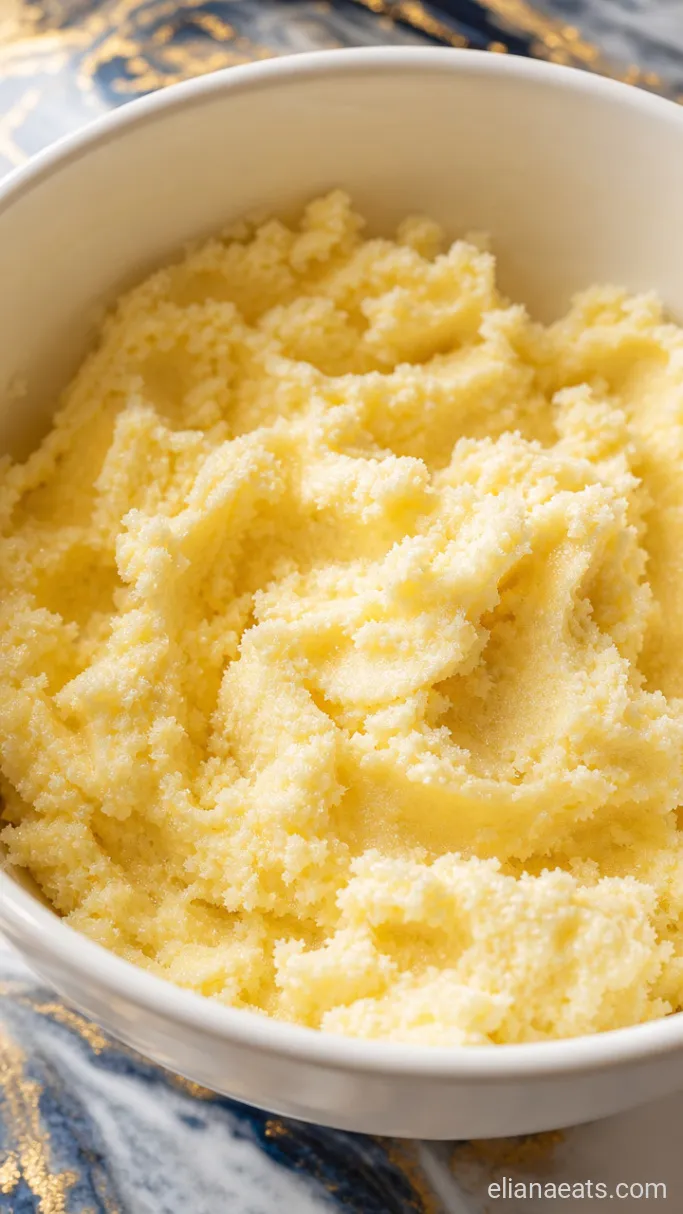
Set your oven to 350°F (175°C) and grease a 9×13 inch baking pan, then line the bottom with a strip of parchment. In a large bowl, beat the 1 cup softened butter and 1 ¾ cups granulated sugar together on medium-high speed for 4 to 5 minutes, until the mixture looks pale and noticeably fluffy. It will go from yellow and dense to almost white and airy.
This is where the cake’s texture actually starts. Under-creaming leaves you with a tight, heavy crumb, so don’t rush it. When the butter and sugar look almost like whipped cream, you’re in good shape.
If your butter is still cool and the mixture looks lumpy after 2 minutes, just keep going. It will come together.
Step 2: Beat In the Eggs and Vanilla
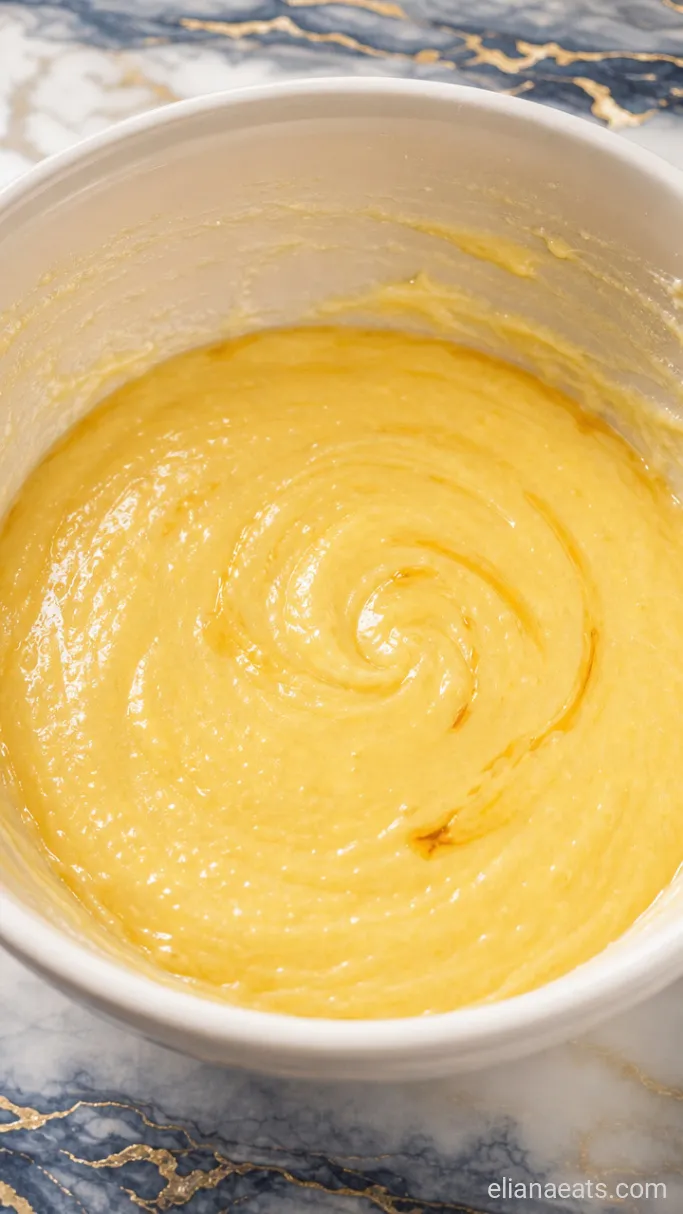
Add the 4 eggs one at a time, beating for about 30 seconds after each one before adding the next. Scrape down the sides of the bowl, then add the 1 tbsp vanilla extract and beat for another 30 seconds.
The batter should look cohesive and glossy at this point. If it looks a little curdled or broken, that’s usually because the eggs were cold. It will smooth out once the flour goes in.
Step 3: Fold In the Dry Ingredients and Sour Cream
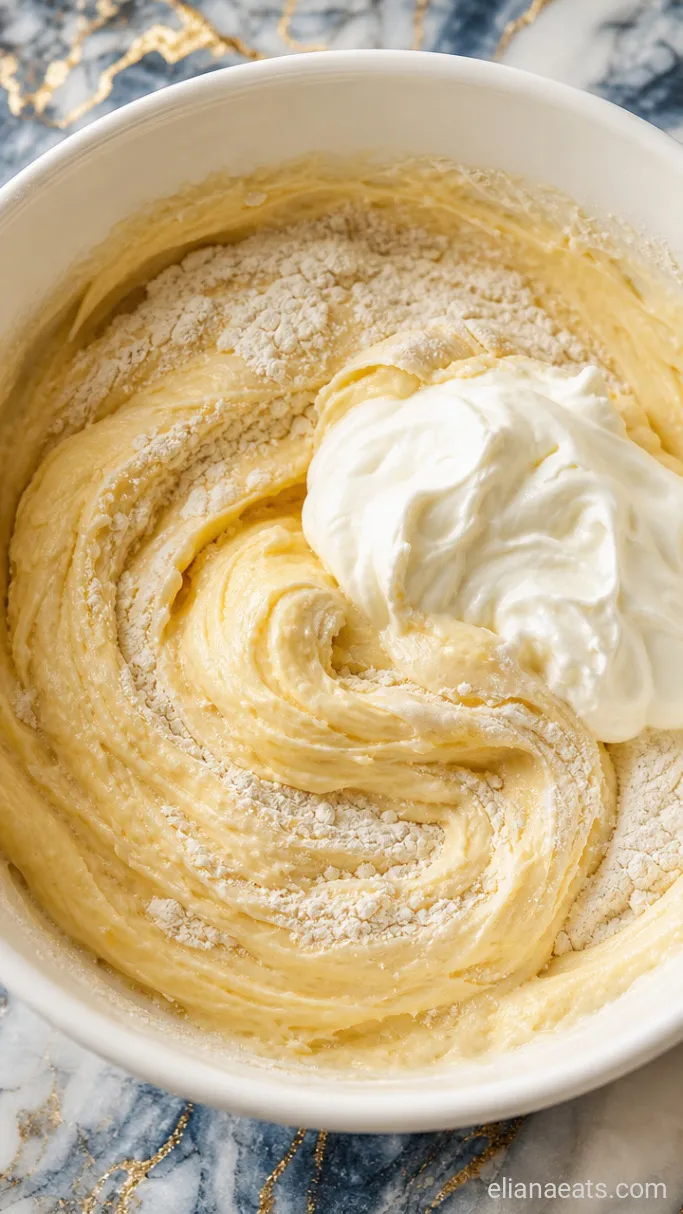
In a separate bowl, whisk together the 2 ½ cups flour, 2 tsp baking powder, ½ tsp baking soda, and ½ tsp salt. With the mixer on low, add the flour mixture in 3 additions, alternating with the 1 cup sour cream and ¼ cup whole milk: flour, sour cream, flour, milk, flour. Start and end with flour, and mix only until each addition just disappears. Do not overmix.
The batter will be thick, a bit like a soft cookie dough. That thickness is correct. Overmixing at this stage leads to gluten development, which makes the cake rubbery, so stop as soon as you no longer see dry streaks.
Step 4: Bake the Cake
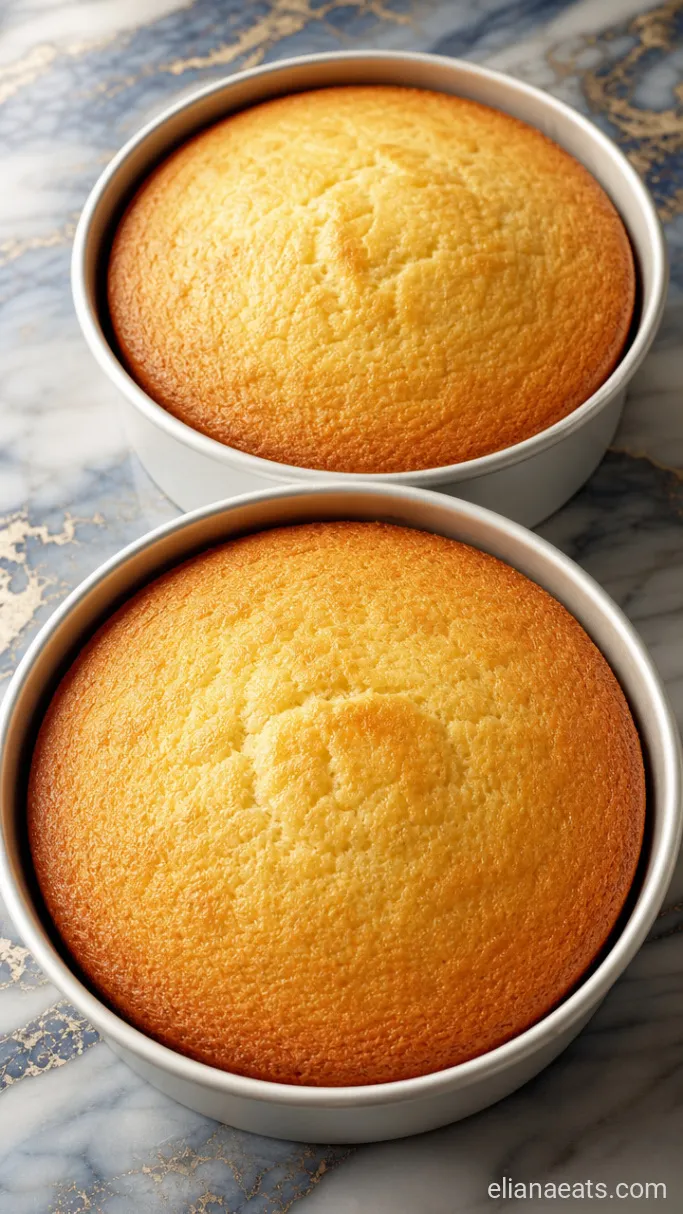
Scrape the batter into the prepared pan and spread it into an even layer with a spatula. Bake at 350°F (175°C) for 32 to 38 minutes, until a toothpick inserted in the center comes out clean and the top is set and lightly golden at the edges. Let the cake cool completely in the pan, at least 1 hour, before frosting.
A fully cooled cake is non-negotiable here. Frosting a warm cake will melt the buttercream and you’ll lose the thick swirls that make this look like the real thing.
Step 5: Whip the Buttercream
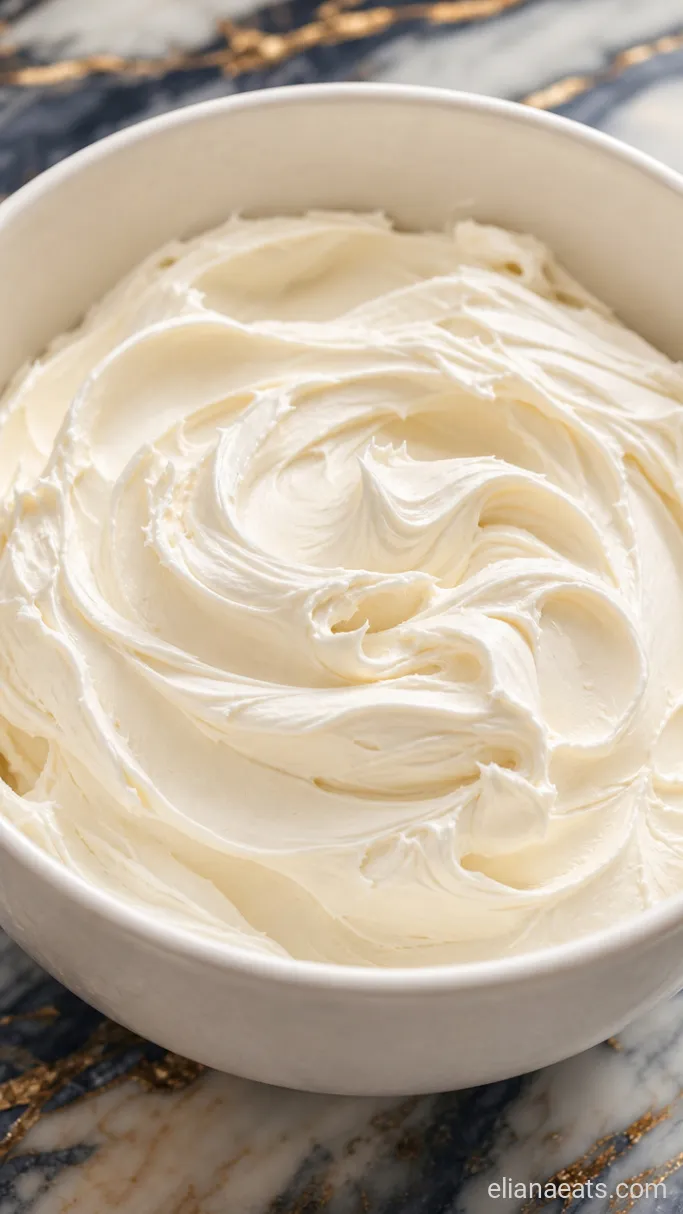
Beat the 1 ½ cups softened butter on medium-high for 3 to 4 minutes until it’s pale and creamy. Reduce the speed to low and add the 5 cups sifted powdered sugar in 2 additions, mixing until incorporated after each. Add the 3 tbsp heavy cream, 2 tsp vanilla extract, and ¼ tsp salt, then increase the speed to medium-high and beat for another 3 minutes until the frosting is light and holds stiff peaks.
It should be white, thick, and hold the shape of a spatula swipe. If it seems too stiff, add 1 more tbsp of heavy cream and beat for another 30 seconds.
Step 6: Frost and Garnish the Cake
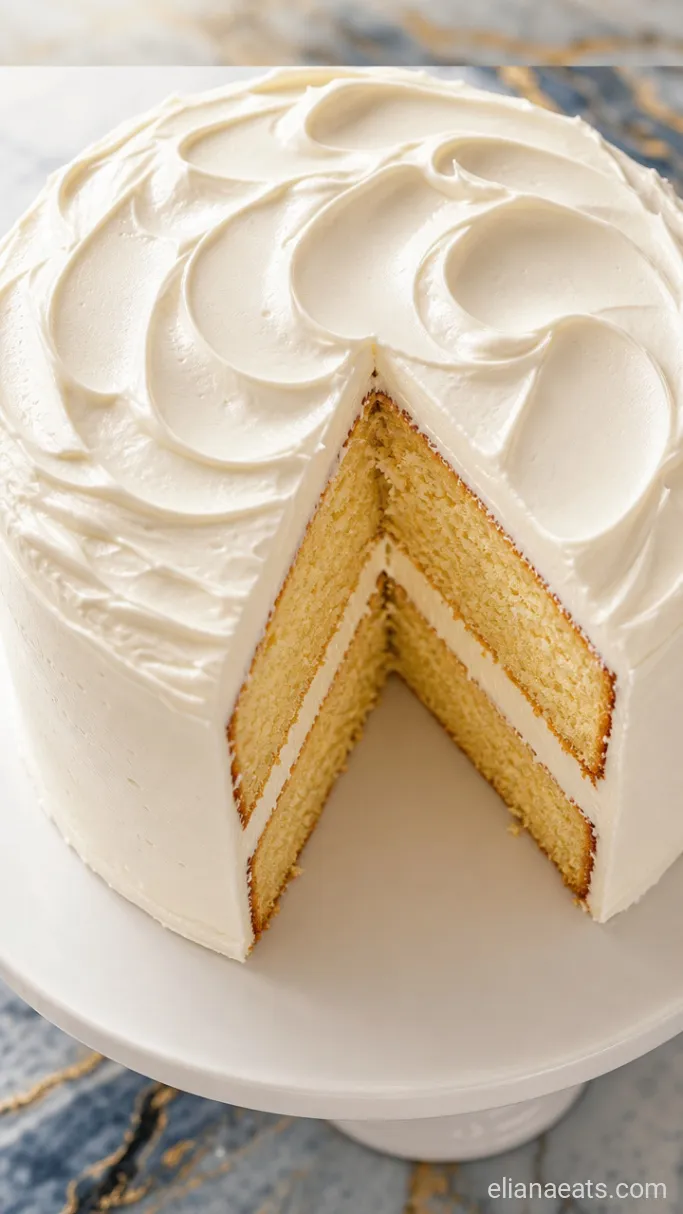
Spoon the buttercream onto the cooled cake and spread it across the top in a thick, even layer using an offset spatula, then use the back of a large spoon to create big swirls across the surface. Finish with a light sprinkle of pastel sugar pearls or rainbow sprinkles over the top of the frosting.
Recipe Tips
- Use room temperature dairy and eggs. Cold ingredients don’t incorporate evenly into the butter, which can affect both texture and rise. Pull everything out about 45 minutes before you start.
- Sift the powdered sugar. It only takes a minute and it’s the difference between silky frosting and frosting with tiny white lumps.
- Don’t open the oven before 30 minutes. The center of this cake needs time to set. Opening early drops the temperature and can cause the middle to sink.
- Level the batter before it goes in. A flat top going into the oven means a flat top coming out, which makes frosting much easier.
Bake times by pan size (350°F / 175°C, done when a toothpick comes out clean and internal temp reaches 200 to 205°F / 93 to 96°C):
| Pan Size | Depth | Estimated Bake Time |
|---|---|---|
| 9×13 inch | Standard | 32 to 38 mins |
| Two 9-inch rounds | Standard | 28 to 33 mins |
| Two 8-inch rounds | Standard | 30 to 35 mins |
| Quarter sheet (9×13 equivalent) | 2-inch | 32 to 38 mins |
How To Store
- Refrigerate – Cover the pan tightly with plastic wrap or transfer slices to an airtight container. It keeps well for up to 4 days. The sour cream in the batter helps it stay moist even after a few days in the fridge.
- Reheating – Bring slices to room temperature for about 20 minutes before serving. Cold buttercream is firm and waxy; room temperature is when it tastes best.
What To Serve With Vanilla Cake
A scoop of vanilla or strawberry ice cream alongside a slice works well because the cold creaminess offsets the dense, rich frosting without competing with the vanilla flavor. Fresh strawberries or a simple macerated berry mix (just berries, sugar, and a squeeze of lemon left to sit for 20 minutes) add brightness that cuts through the sweetness. If you’re serving this at a party, a pot of strong coffee on the side is the right call: the bitterness is a natural counterpoint to how sweet the buttercream is.
Frequently Asked Questions
Can I make this cake a day ahead?
Yes. Bake and cool the cake completely, wrap the pan in plastic wrap, and store it at room temperature overnight. Frost it the next day for the best-looking result.
Can I freeze this cake?
Yes, either frosted or unfrosted. Wrap tightly in plastic wrap and then foil, and freeze for up to 2 months. Thaw overnight in the refrigerator before serving.
My frosting looks greasy. What went wrong?
The butter was probably too warm. Pop the bowl in the refrigerator for 10 to 15 minutes, then beat again on medium-high for 2 minutes. It should come back together.
Can I double this recipe for a larger crowd?
Yes, but bake two separate 9×13 pans rather than trying to double the batter in one pan. An oversized pan bakes unevenly and the center tends to stay raw while the edges dry out.
Costco Vanilla Cake Recipe
Ingredients
Method
- Preheat the oven to 350°F (175°C), grease a 9×13 inch pan and line with parchment, then cream 1 cup butter and 1 ¾ cups granulated sugar on medium-high for 4 to 5 minutes until pale and fluffy.
- Add 4 eggs one at a time, beating 30 seconds after each, then mix in 1 tbsp vanilla extract.
- Whisk together 2 ½ cups flour, 2 tsp baking powder, ½ tsp baking soda, and ½ tsp salt in a separate bowl, then add to the batter in 3 additions alternating with 1 cup sour cream and ¼ cup milk, mixing just until combined.
- Spread the batter into the prepared pan and bake at 350°F (175°C) for 32 to 38 minutes until a toothpick comes out clean. Cool completely in the pan, at least 1 hour.
- Beat 1 ½ cups butter for 3 to 4 minutes, add 5 cups sifted powdered sugar in 2 additions, then add 3 tbsp heavy cream, 2 tsp vanilla extract, and ¼ tsp salt and beat on medium-high for 3 more minutes until stiff and fluffy.
- Spread the buttercream over the cooled cake, swirl with the back of a large spoon, and finish with sprinkles or sugar pearls.
