
Costco Oatmeal Raisin Cookie Copycat Recipe

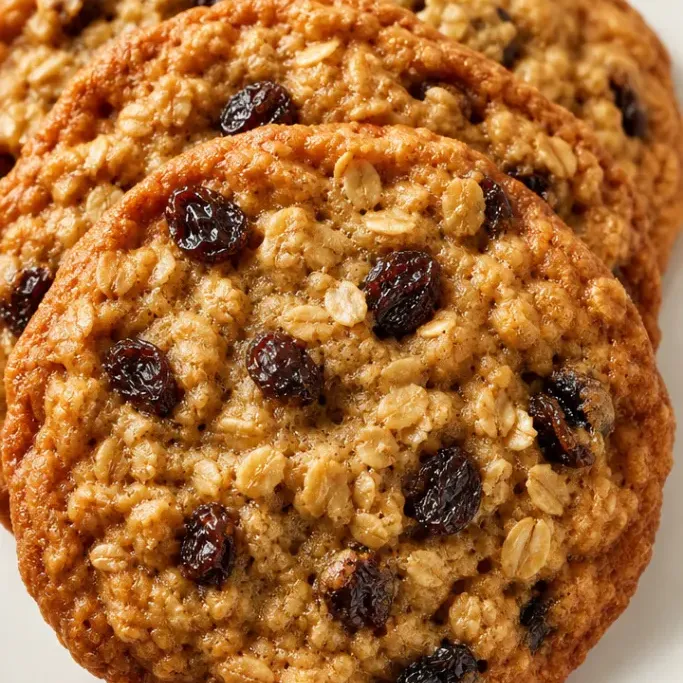
These Costco oatmeal raisin cookies are the thick, chewy, bakery-style cookies that come in those giant tubs, and this copycat gets you surprisingly close at home.
They bake up with crisp edges, a soft and dense center, and that warm cinnamon flavor you get in every bite of the original.
Why I Love This Recipe
The texture is what keeps me coming back to this one. The brown sugar and extra oats give you that chew that holds up even on day two or three, because the dough has enough fat and moisture to stay soft.
It’s also a forgiving recipe. You don’t need a mixer, and the dough comes together fast.
Baking with raisins causes them to plump up and turn almost jammy, which adds a soft contrast to the toasted oat edges.
Recipe Ingredients
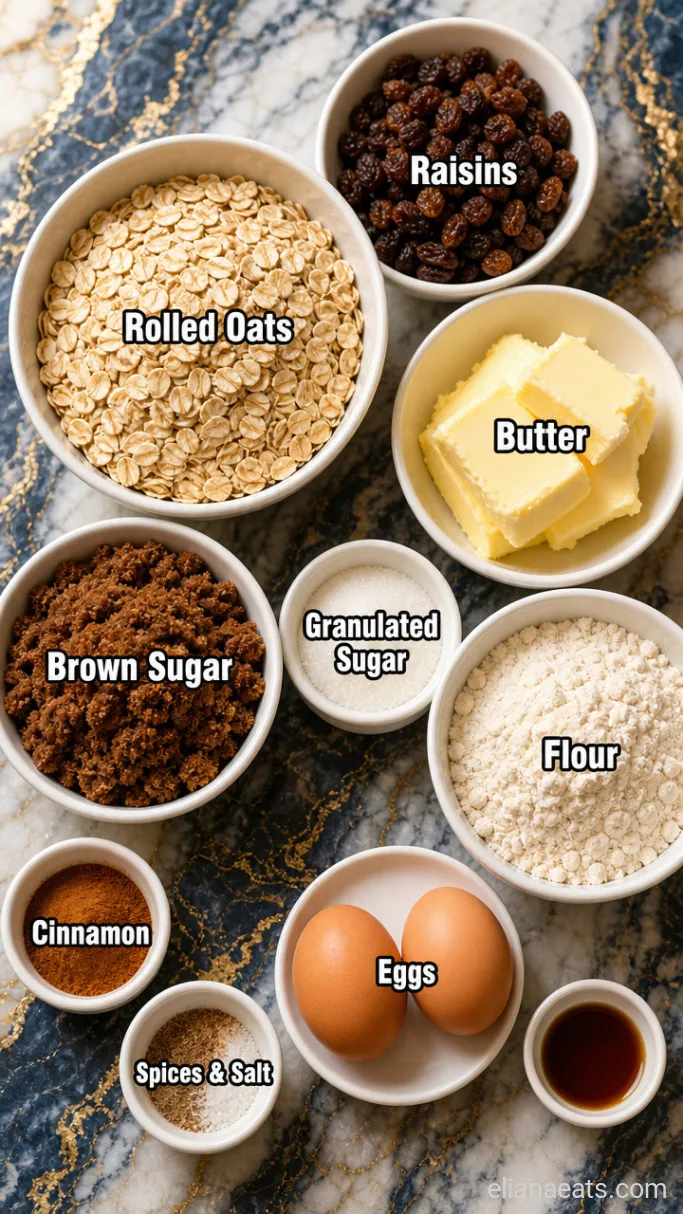
- 2 cups old-fashioned rolled oats – Use rolled, not quick oats; they give the cookies their thick, chewy bite
- 1 cup all-purpose flour – Standard flour works fine; no need for bread flour
- 1 tsp baking soda – Helps the cookies rise and brown
- 1 tsp ground cinnamon – The dominant warm spice in the original
- 1/2 tsp ground nutmeg – A small amount adds depth without standing out
- 1/2 tsp salt – Brings out the sweetness and keeps the flavor balanced
- 3/4 cup unsalted butter (softened) – Softened, not melted; this controls the spread
- 3/4 cup packed brown sugar – Dark or light brown both work; dark gives a deeper molasses note
- 1/4 cup granulated sugar – Adds crispness to the edges
- 2 large eggs – Room temperature eggs blend more evenly into the dough
- 2 tsp vanilla extract – Pure extract over imitation for a cleaner flavor
- 1 1/2 cups raisins – Plump ones work best; soak briefly if yours look dry
Variations / Substitutions
- Golden raisins – Sweeter and less tangy than regular raisins, they work well if you prefer a milder fruit flavor.
- Chocolate chips instead of raisins – Swap in 1 1/2 cups chocolate chips for a richer, sweeter cookie with no fruit.
- Coconut oil for butter – Use 3/4 cup refined coconut oil; the cookies will spread a little more and lose some of the richness.
- Gluten-free flour blend – A 1:1 gluten-free all-purpose blend works here, though the texture is slightly less chewy.
- Extra cinnamon – Increase to 1 1/2 tsp if you want a stronger spice presence.
- Chopped walnuts or pecans – Add up to 1/2 cup along with or instead of some of the raisins for a bit of crunch.
If you enjoy big bakery-style cookies at home, you might also like a Costco Chocolate Chunk Cookie Copycat Recipe.
How To Make Oatmeal Raisin Cookies
Step 1: Whisk the Dry Ingredients
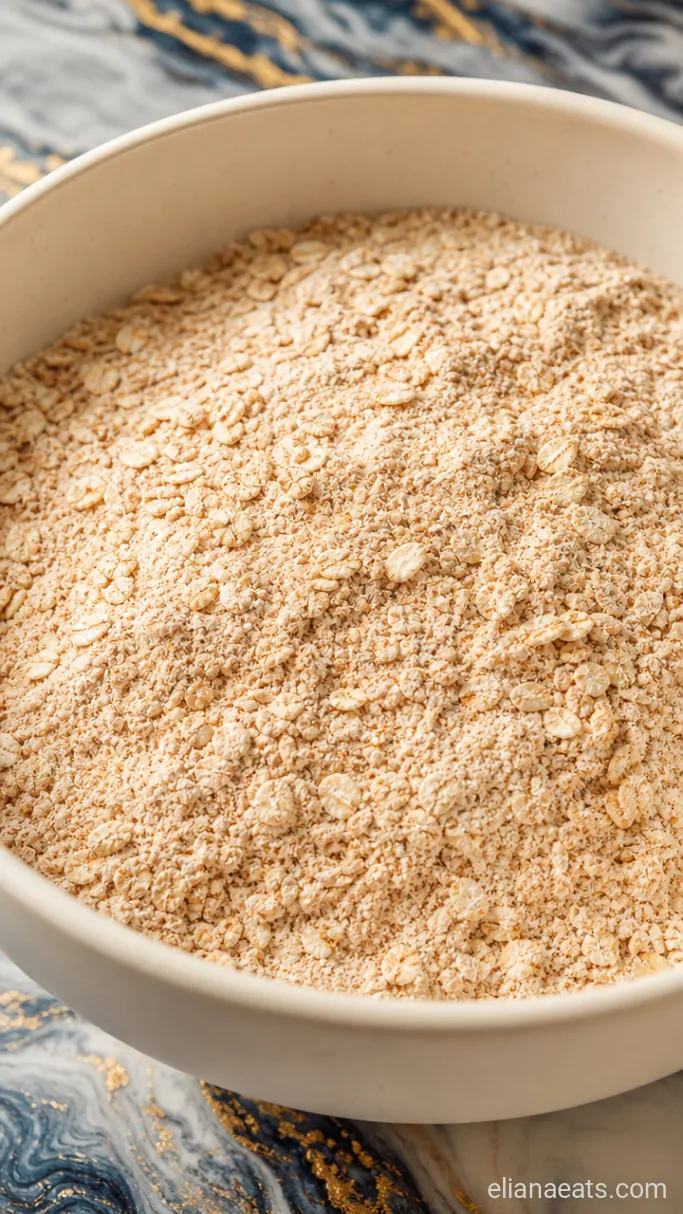
In a large bowl, whisk together the 1 cup all-purpose flour, 1 tsp baking soda, 1 tsp ground cinnamon, 1/2 tsp ground nutmeg, and 1/2 tsp salt until evenly combined. Then stir in the 2 cups rolled oats with a spatula or wooden spoon so they’re distributed through the flour mixture.
This step takes about 1 minute, but getting the leavening mixed in evenly matters. If the baking soda sits in one spot, you can end up with cookies that brown unevenly.
Step 2: Cream the Butter and Sugars
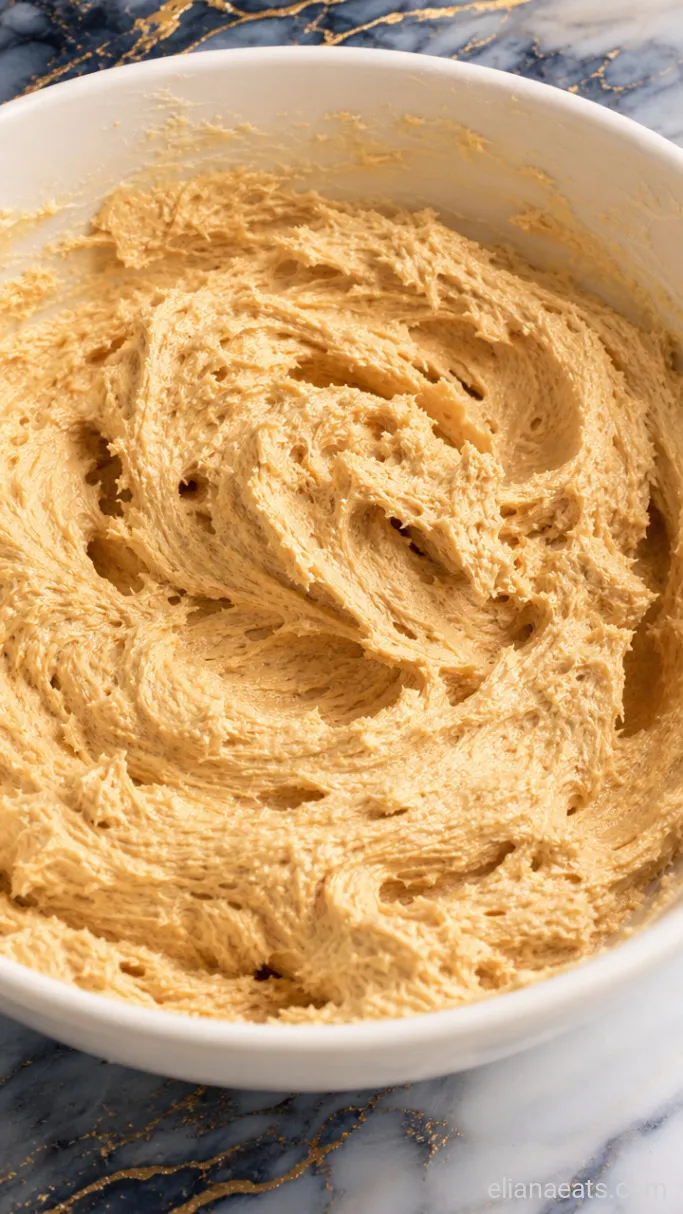
In a separate large bowl, beat the 3/4 cup softened unsalted butter, 3/4 cup packed brown sugar, and 1/4 cup granulated sugar together by hand with a wooden spoon, or use a hand mixer on medium speed for about 2 minutes. You’re going for a pale, slightly fluffy mixture.
If your butter was cold, the mixture will stay dense and a bit grainy. That’s a sign to let it warm up for another 10 minutes before continuing. Fully creamed butter and sugar gives you a lighter crumb inside the finished cookie.
Step 3: Beat in the Eggs and Vanilla
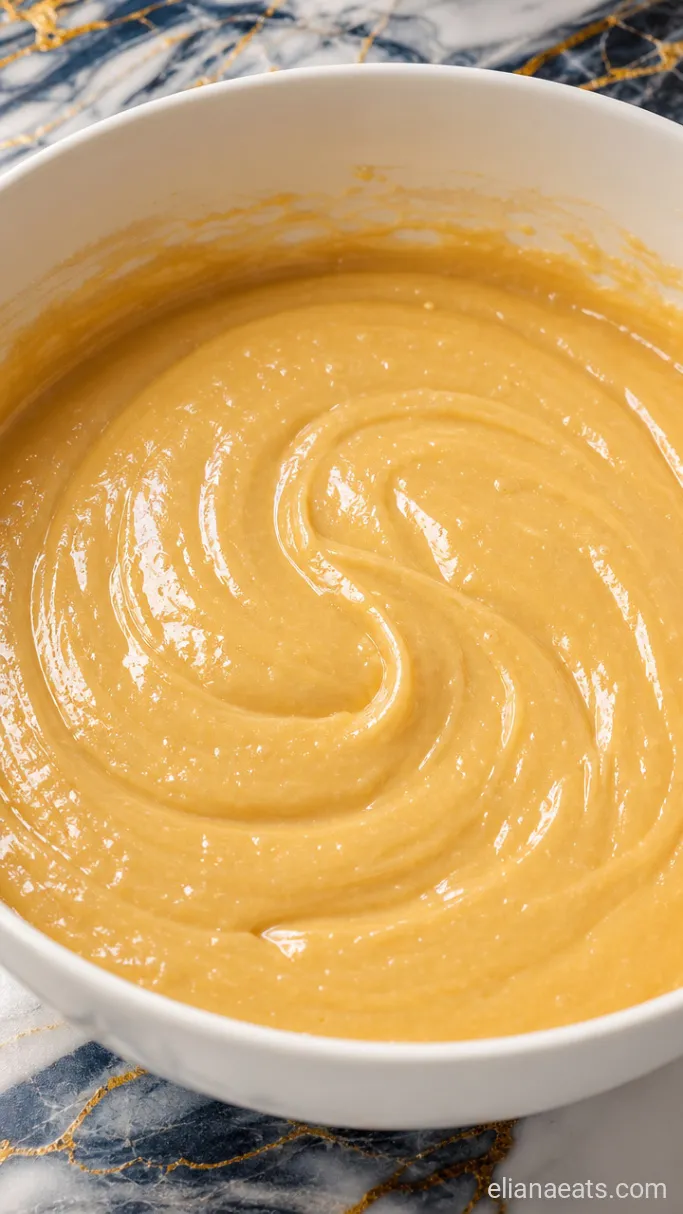
Add the 2 large eggs one at a time to the butter and sugar mixture, mixing well after each one, then stir in the 2 tsp vanilla extract. Mix for about 30 seconds after the second egg until the batter looks smooth and slightly glossy.
Don’t rush this part. Adding both eggs at once can make the fat separate from the sugar and give you an uneven dough.
Step 4: Fold in the Oat Mixture and Raisins
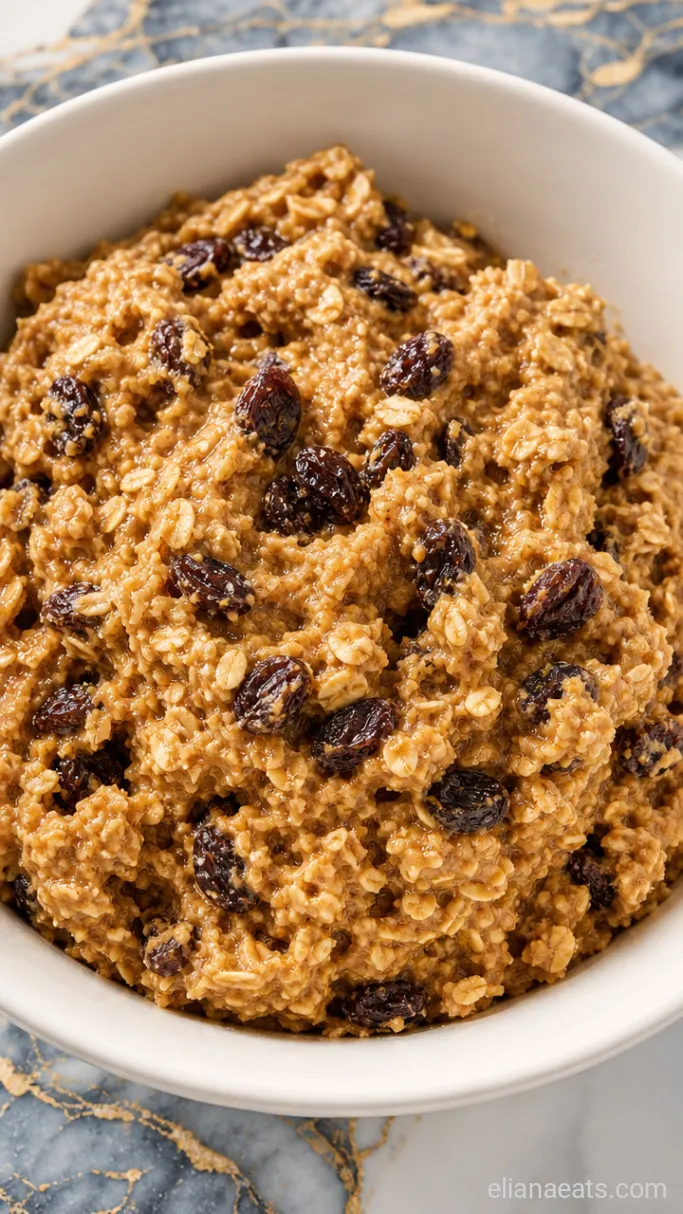
Add the oat and flour mixture to the wet ingredients and fold everything together with a spatula until no dry streaks remain, about 20 to 30 folds. Then add the 1 1/2 cups raisins and fold them in until evenly distributed.
The dough will be thick and a little stiff, which is what you want. If it feels wet or slack, refrigerate it for 20 minutes before scooping.
Step 5: Scoop and Bake the Cookies
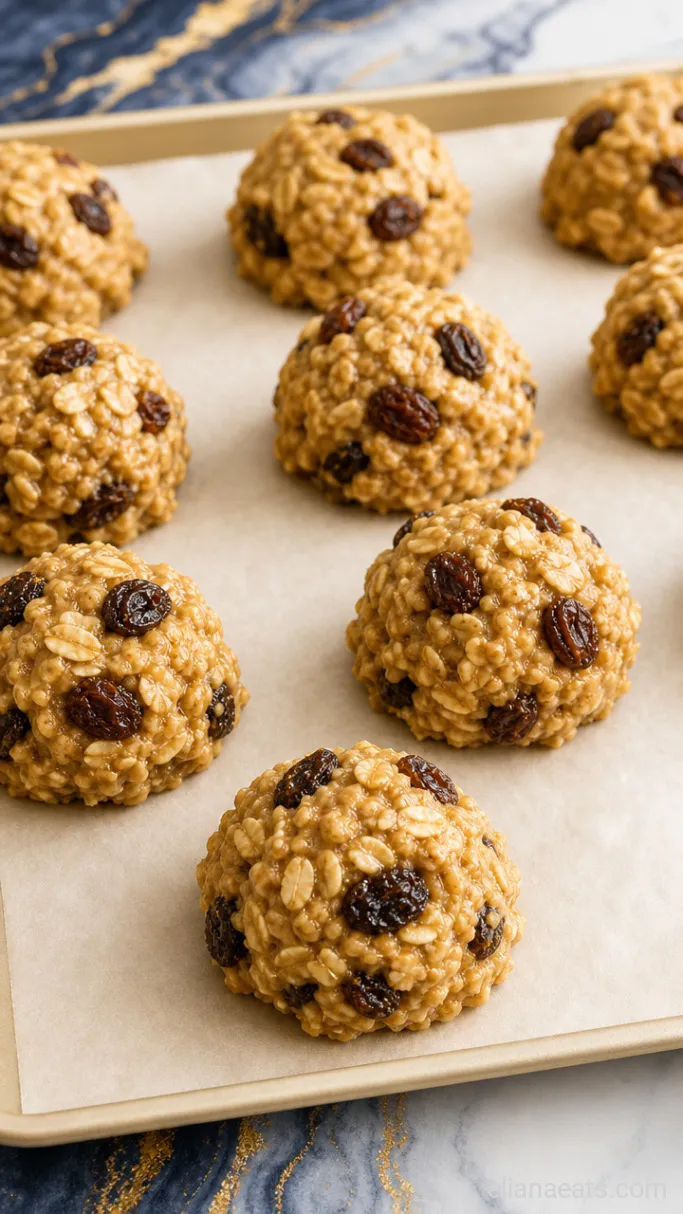
Preheat your oven to 350°F (175°C). Line 2 baking sheets with parchment paper. Scoop the dough into balls using about 3 tablespoons of dough per cookie, spacing them 2 inches apart on the prepared sheets. Bake for 12 to 14 minutes, until the edges are set and lightly golden but the centers still look slightly underdone.
Pull them at 12 minutes if you want a softer, chewier center. The cookies firm up as they cool, so a center that looks underdone in the oven will be just right on the rack 10 minutes later.
Step 6: Cool on the Pan and Serve
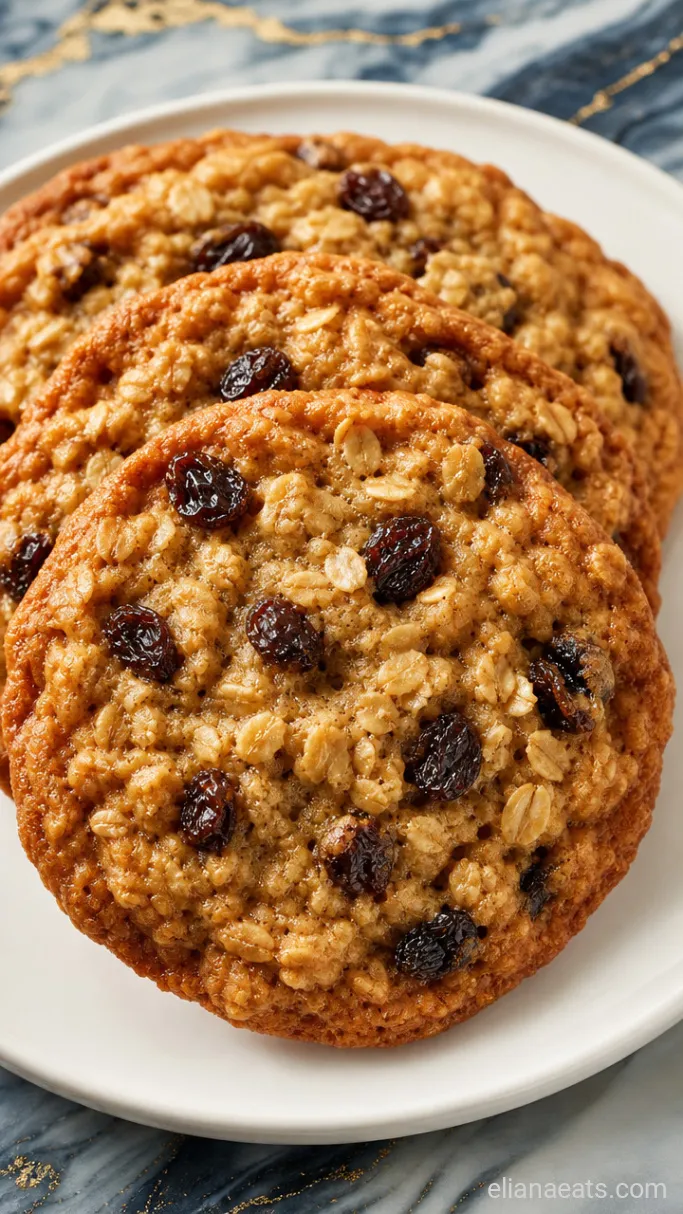
Leave the cookies on the hot baking sheet for 5 minutes after pulling them from the oven, then transfer them to a wire rack. Arrange them on a serving plate while they’re still just warm, when the edges are set and crisp and the centers are still a little soft, and serve.
Recipe Tips
- Plump your raisins if needed. If your raisins look shriveled, soak them in warm water for 10 minutes, then drain and pat dry before adding. They’ll bake up softer and more flavorful.
- Don’t overbake. These cookies look underdone when you pull them, and that’s correct. Overbaking is the most common mistake with oatmeal cookies, and you lose the chewy center fast.
- Use a cookie scoop for consistency. Uniform dough balls bake evenly, which matters when you’re watching for the 12-minute mark. Uneven scoops mean some cookies overbake while others are still raw in the middle.
- Cold dough bakes thicker. If you want cookies that stand tall like the Costco ones, chill the full batch of dough for 30 minutes before scooping and baking.
Bake times at 350°F (175°C) by cookie size:
| Dough per Cookie | Approximate Bake Time | Result |
|---|---|---|
| 2 tbsp | 10 to 11 minutes | Thinner, crispier edge |
| 3 tbsp | 12 to 14 minutes | Thick, chewy center |
| 4 tbsp | 14 to 16 minutes | Large bakery-style, soft throughout |
How To Store
- Refrigerate – Store baked cookies in an airtight container at room temperature for up to 5 days, or refrigerate for up to 10 days. A slice of bread in the container keeps them soft.
- Reheating – Warm a cookie in the microwave for 10 to 12 seconds to bring back that just-baked texture.
- Serve Cold – These are also good straight from the fridge, where the chilled butter makes the texture dense and almost fudgy.
Frequently Asked Questions
Can I make the dough ahead and refrigerate it overnight?
Yes. The dough keeps in the fridge for up to 48 hours and actually bakes up with slightly better flavor and a thicker shape after resting.
Why did my cookies spread too flat?
The most likely cause is butter that was too warm or melted rather than softened. Chilling the shaped dough balls for 20 minutes before baking will fix this.
Can I freeze the baked cookies?
Yes, they freeze well for up to 3 months in an airtight container. Thaw at room temperature for about an hour.
Do I need a stand mixer for this recipe?
No. A wooden spoon and some arm strength gets you there. The dough is thick but not stiff enough to require a machine.
Oatmeal Raisin Cookie Recipe
Ingredients
Method
- Whisk together the flour, baking soda, cinnamon, nutmeg, and salt in a large bowl, then stir in the rolled oats.
- Beat the softened butter, brown sugar, and granulated sugar together until pale and slightly fluffy, about 2 minutes.
- Add the eggs one at a time, mixing well after each, then stir in the vanilla extract until smooth.
- Fold the oat and flour mixture into the wet ingredients until no dry streaks remain, then fold in the raisins.
- Preheat oven to 350°F (175°C). Scoop 3 tbsp dough per cookie onto parchment-lined baking sheets, spacing 2 inches apart, and bake for 12 to 14 minutes until edges are golden and centers look just set.
- Rest on the baking sheet for 5 minutes, transfer to a wire rack, and serve warm when edges are crisp and centers are still soft.
