
Costco Fruit Cake Copycat Recipe

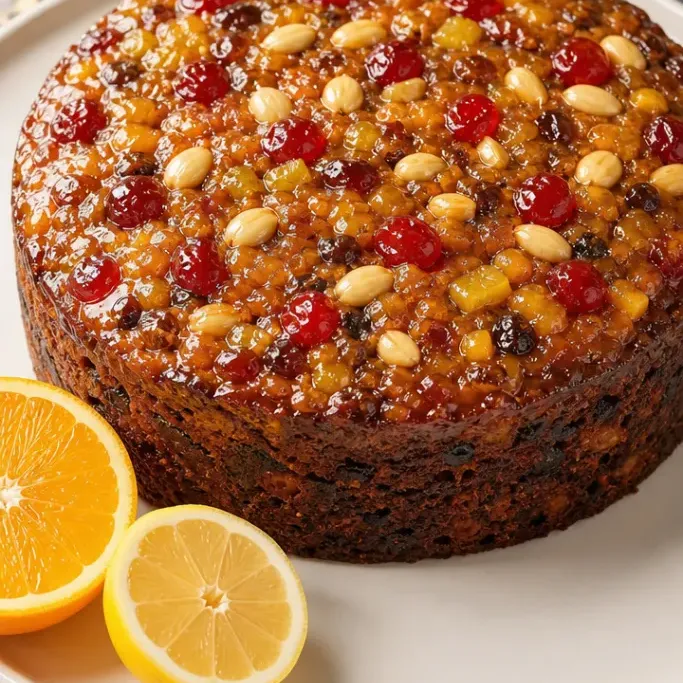
Costco’s fruit cake is one of those holiday staples that actually earns its place on the table, which is a hard thing to say about fruit cake. This copycat gets you the same dense, sticky crumb loaded with real dried fruit and soaked in brandy, without needing a warehouse membership to enjoy it.
It comes together with pantry ingredients and about an hour of hands-on time. Make it a few days ahead and it genuinely gets better as it sits.
Why I Love This Recipe
The texture here is what keeps me coming back to it. It’s dense without being dry, and the fruit stays soft and almost jammy because of the overnight soak.
The brandy does real work in this recipe. It keeps the cake moist for days and adds a warmth that balances the sweetness of the dried fruit.
This is the version I reach for every December. It slices cleanly, travels well, and holds up at room temperature for over a week.
Recipe Ingredients
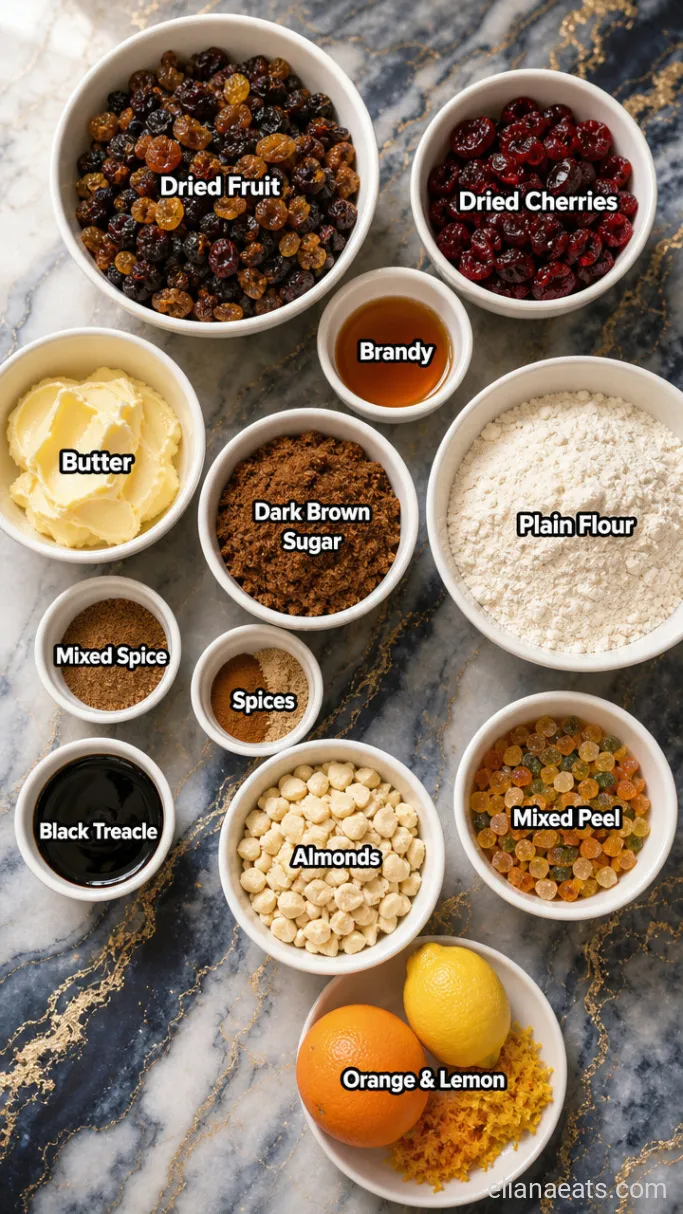
- 300g mixed dried fruit – A blend of raisins, currants, and sultanas works best; avoid anything with added sugar
- 100g dried cherries – Adds color and a slight tartness; dried cranberries are a fine swap
- 75ml brandy – For soaking the fruit; dark rum or orange juice work if you prefer no alcohol
- 175g unsalted butter, softened – Room temperature is important for even creaming
- 175g dark brown sugar – Gives the cake its deep color and molasses richness
- 3 large eggs – At room temperature so they incorporate without curdling the batter
- 175g plain flour (all-purpose flour) – Spooned and leveled, not packed
- 1 tsp mixed spice – The classic blend of cinnamon, nutmeg, and clove that defines the flavor
- 1/2 tsp ground cinnamon – Adds extra warmth beyond what is in the mixed spice
- 1/4 tsp ground nutmeg – Fresh-grated is noticeably better here if you have it
- 1 tbsp black treacle (or molasses) – Deepens the color and adds a slightly bitter edge that cuts the sweetness
- 75g blanched almonds, roughly chopped – Adds texture; walnuts or pecans are good alternatives
- 50g mixed peel – The candied citrus peel that gives Costco’s version its signature brightness
- Zest of 1 orange – Brightens the whole thing; use a fine grater so there are no bitter pith strips
- Zest of 1 lemon – Pairs with the orange zest to keep the fruit flavors lively
Variations / Substitutions
- Brandy – Swap for dark rum for a slightly sweeter, more caramel-forward soak, or use orange juice for an alcohol-free version that is still fragrant.
- Dried cherries – Dried cranberries give a sharper bite and a deeper red color in the slice.
- Plain flour – Self-raising flour works in a pinch here — just omit the baking powder if your recipe calls for any, and know the crumb will be slightly lighter.
- Butter – Refined coconut oil can replace the butter for a dairy-free cake; the texture will be a touch firmer when cold.
- Mixed peel – Leave it out if you strongly dislike it, but replace it with an extra tablespoon of orange zest so the citrus note doesn’t disappear entirely.
- Dark brown sugar – Light brown sugar works but the cake will taste noticeably less rich and the color will be lighter.
- Almonds – Any roughly chopped nut works well; pecans give a slightly buttery flavor that goes nicely with the molasses.
If you enjoy baking dense, spiced loaves around the holidays, consider trying a lighter loaf recipe like the Starbucks Gingerbread Loaf Copycat Recipe as a weeknight alternative.
How To Make Fruit Cake
Step 1: Soak the Dried Fruit
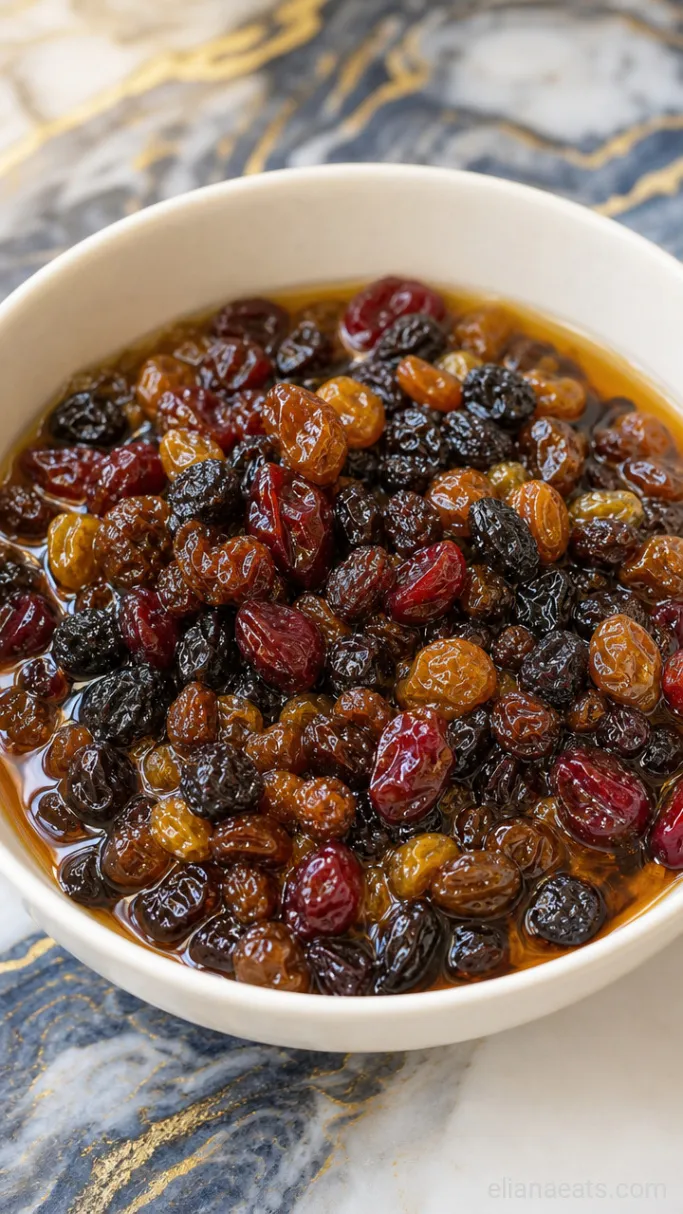
Combine the 300g mixed dried fruit, 100g dried cherries, and 50g mixed peel in a large bowl. Pour over the 75ml brandy and stir well so every piece of fruit is coated. Cover the bowl with a plate or plastic wrap and leave it at room temperature for at least 8 hours, or overnight if you can.
The fruit will swell and absorb most of the brandy. When you press a piece between your fingers, it should feel soft and heavy rather than leathery. This step is the reason the finished cake stays moist for days, so do not skip or rush it.
If you are short on time, you can gently warm the fruit and brandy together in a small saucepan over low heat for 5 minutes, then let it cool completely before using. It is not quite the same as an overnight soak, but it does speed up the absorption significantly.
Step 2: Cream the Butter and Sugar
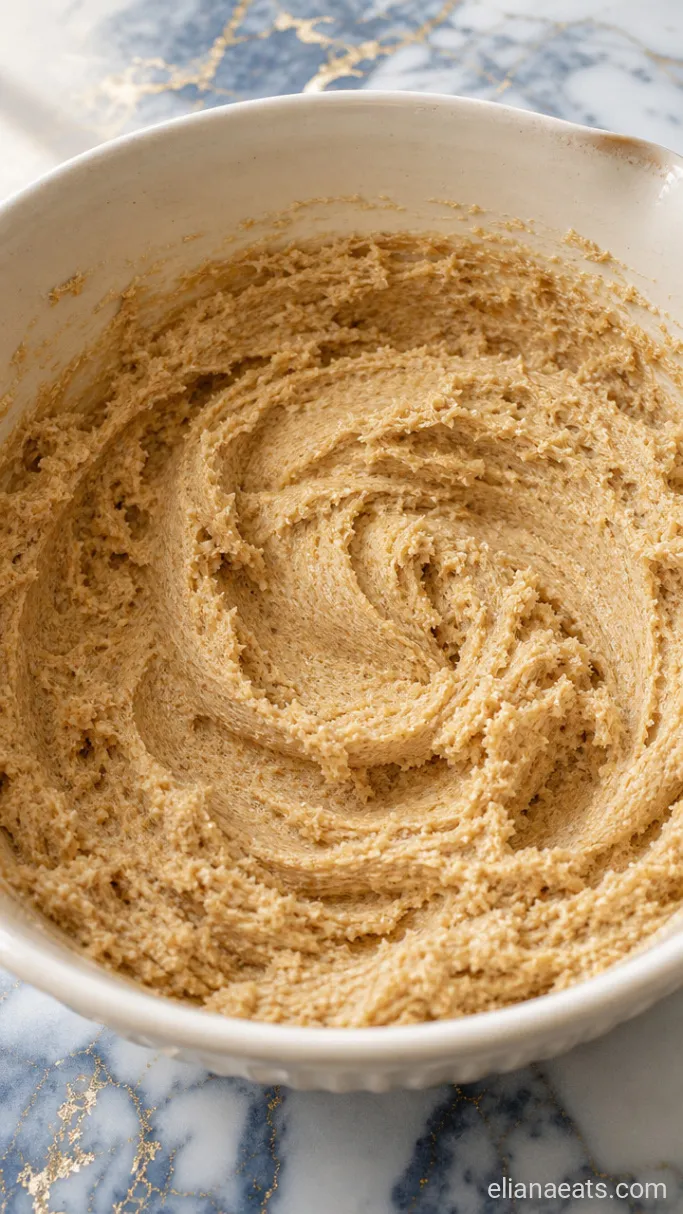
Set your oven to 150°C (300°F) and line a deep 20cm (8-inch) round cake tin with a double layer of baking parchment on the base and sides. Beat the 175g softened butter and 175g dark brown sugar together with an electric mixer on medium speed for about 4 minutes, until the mixture looks lighter in color and feels noticeably fluffy when you run a spatula through it.
Add the 1 tbsp black treacle and beat for another 30 seconds. The color will deepen to a rich, dark caramel and the mixture will smell faintly of molasses.
The butter must be genuinely soft for this to work. If it is still firm from the fridge, the sugar will not dissolve into it properly and the crumb will end up dense in the wrong way — heavy rather than moist.
Step 3: Beat in the Eggs
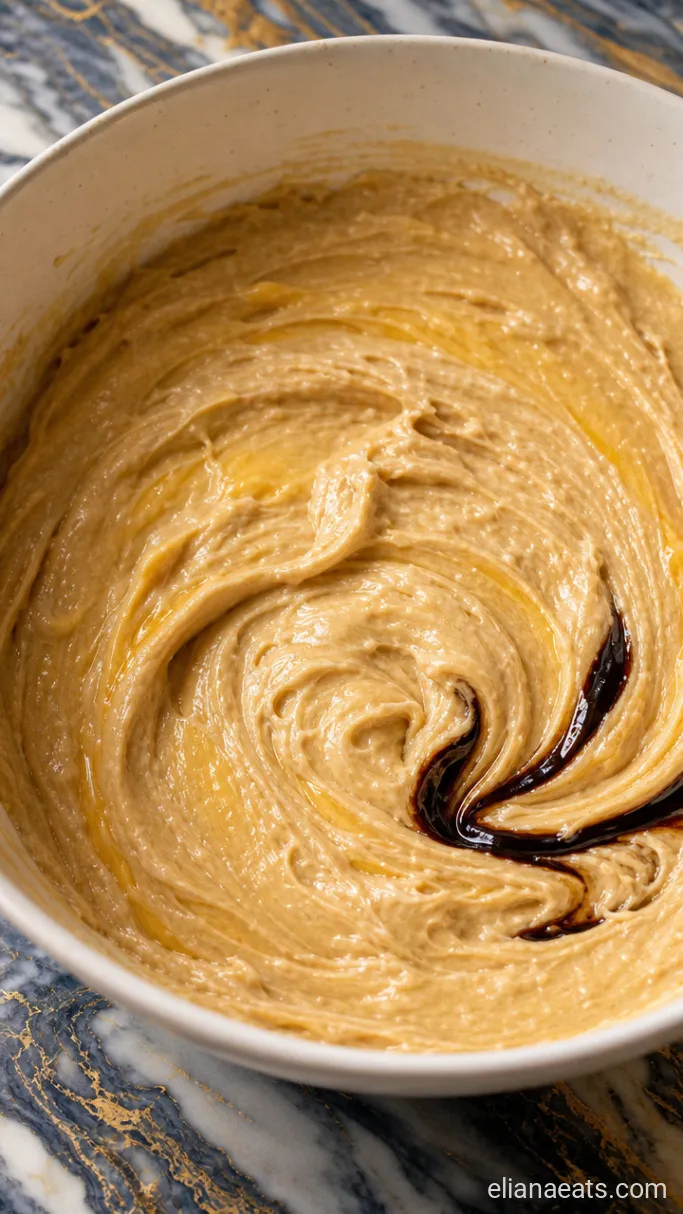
Add the 3 large eggs one at a time, beating well on medium speed for about 1 minute after each addition. If the mixture starts to look curdled or split, add 1 tbsp of the 175g plain flour and beat again — it will come back together.
The batter should look thick and smooth after the third egg, similar to a soft butterscotch color. A slightly curdled look at this stage is not a disaster, just add that tablespoon of flour and keep going.
Step 4: Fold in the Flour and Spices
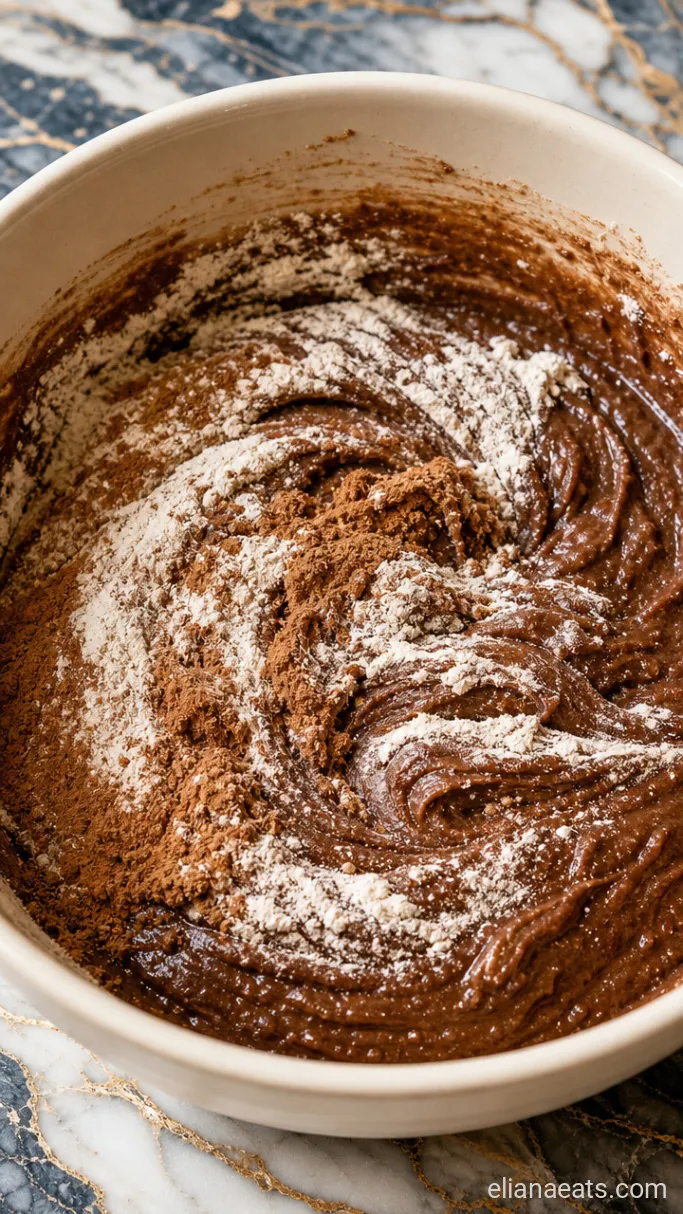
Sift the remaining plain flour, 1 tsp mixed spice, 1/2 tsp ground cinnamon, and 1/4 tsp ground nutmeg directly into the bowl. Add the orange zest and lemon zest. Using a large spatula or wooden spoon, fold everything together with slow, wide strokes until just combined — about 20 folds. Stop as soon as you can no longer see dry flour.
The batter will be very thick at this point, almost like a stiff cookie dough. That is correct. Overmixing at this stage develops gluten and makes the finished cake tough, so resist the urge to beat it smooth.
Step 5: Stir in the Fruit and Nuts
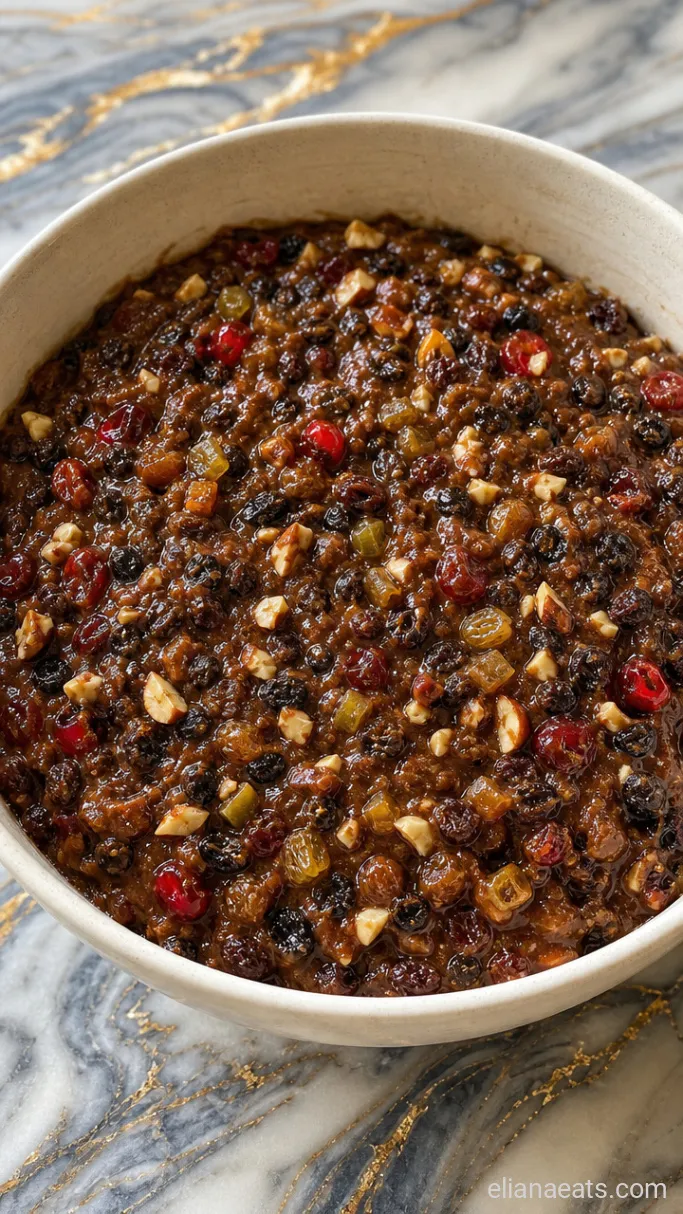
Tip the soaked fruit mixture and the 75g roughly chopped almonds into the batter. Stir with a large spoon until the fruit is evenly distributed through the batter, which will take about 30 seconds of steady stirring. The batter will look very dense and studded with fruit.
Scrape it into the prepared tin and smooth the top with the back of a wet spoon. Tap the tin firmly on the counter 2 or 3 times to settle any air pockets.
Step 6: Bake and Glaze the Cake
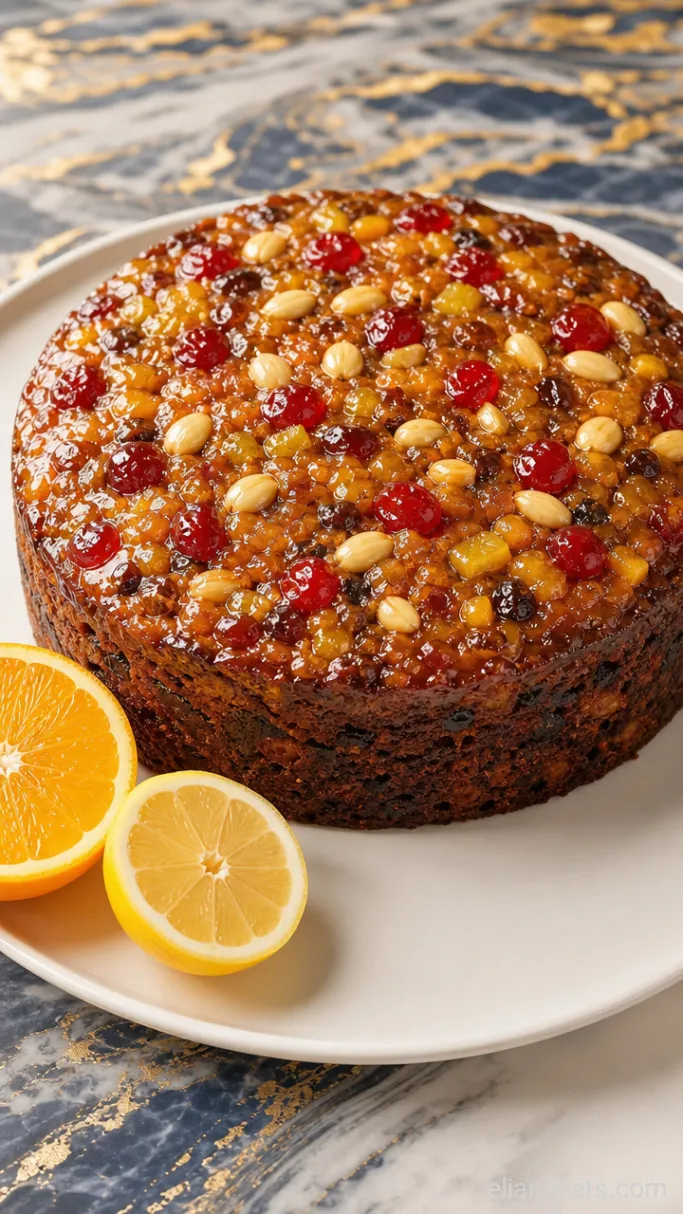
Bake at 150°C (300°F) for 2 hours to 2 hours 15 minutes. Check at the 2-hour mark by inserting a skewer into the center — it should come out clean or with a few moist crumbs, not wet batter. If the top is browning too quickly after 90 minutes, lay a sheet of baking parchment loosely over the top.
When the cake comes out of the oven, brush the warm surface with 1 extra tablespoon of brandy if you like a deeper flavor, then leave it in the tin to cool for 30 minutes before transferring to a wire rack. Slide it onto a serving plate or board, peel back the parchment, and let the top catch the light — the glazed surface should be deep mahogany brown with fruit just visible beneath.
Recipe Tips
- Use a tin with tall sides. A shallow tin will let the edges set before the center is cooked, which causes cracking and an underdone middle. A deep 20cm tin is the right fit for this batter volume.
- Wrap it to age it. Once fully cooled, wrap the cake in a double layer of baking parchment and then foil. Leave it at room temperature for at least 2 days before cutting. The flavor deepens noticeably.
- Watch the oven temperature. Fruit cakes burn easily on the outside while staying underdone inside. If your oven runs hot, drop it to 140°C (285°F) and add 15 minutes to the bake time rather than keeping the heat up.
- Test with a skewer, not a timer. Ovens vary. The skewer test at the 2-hour mark is more reliable than the clock alone — a clean skewer means it is done, a few moist crumbs are fine, but wet batter means it needs more time.
Bake times can vary depending on your tin size. Here are approximate adjustments:
| Tin Size | Depth | Bake Time at 150°C (300°F) |
|---|---|---|
| 18cm (7-inch) | Deep | 1 hr 45 min to 2 hrs |
| 20cm (8-inch) | Deep | 2 hrs to 2 hrs 15 min |
| 23cm (9-inch) | Deep | 1 hr 40 min to 1 hr 55 min |
How To Store
- Refrigerate – Wrap the cooled cake tightly in parchment and foil and keep it in the fridge for up to 4 weeks. The flavor improves over the first 5 to 7 days.
- Reheating – This cake is not typically served warm, but a quick 10 seconds in the microwave on a slice will soften the crumb if it has been refrigerated.
- Serve Cold – The cake slices most cleanly straight from the fridge using a sharp knife. Let it sit at room temperature for 15 minutes before eating if you prefer a slightly softer texture.
What To Serve With Fruit Cake
A thin slice of sharp aged cheddar alongside a wedge of fruit cake is an old British combination that genuinely works — the saltiness of the cheese cuts the sweetness and makes both things taste better. A small glass of port or a cream sherry echoes the brandy notes already in the cake and keeps the flavors in the same register. For a non-alcoholic option, a strong black tea with no sugar lets the sweetness of the fruit do all the work without competing with it.
Frequently Asked Questions
Can I make this cake without alcohol?
Yes. Replace the 75ml brandy with 75ml of fresh orange juice. The cake will be slightly less rich but the fruit will still soak and soften well overnight.
Can I double the recipe to make 2 cakes?
Yes, the recipe doubles without any issue. Use 2 separate tins and bake them side by side on the same rack, rotating them at the 1-hour mark so both bake evenly.
My cake sank in the middle. What went wrong?
The most common cause is opening the oven door before 90 minutes, which drops the temperature before the structure sets. It can also happen if the batter was overmixed after adding the flour.
Can I use a loaf tin instead of a round tin?
Yes, a 900g (2lb) loaf tin works. Reduce the bake time to around 1 hour 45 minutes and start checking with a skewer at the 1 hour 30 minute mark.
—
Fruit Cake Recipe
Ingredients
Method
- Combine the dried fruit, dried cherries, mixed peel, and brandy in a bowl, stir well, cover, and soak at room temperature for at least 8 hours or overnight.
- Heat the oven to 150°C (300°F) and line a deep 20cm round tin with double baking parchment. Beat the butter and dark brown sugar on medium speed for 4 minutes until light and fluffy, then beat in the black treacle for 30 seconds.
- Add the eggs one at a time, beating for 1 minute after each, adding 1 tbsp of flour if the mixture looks split.
- Sift the remaining flour, mixed spice, cinnamon, and nutmeg into the bowl. Add the orange and lemon zest and fold with a spatula in about 20 wide strokes until no dry flour remains.
- Stir in the soaked fruit mixture and chopped almonds until evenly distributed, then scrape the batter into the prepared tin, smooth the top, and tap the tin on the counter 2 to 3 times.
- Bake for 2 hours to 2 hours 15 minutes until a skewer comes out clean, then brush the warm surface with brandy if desired, cool in the tin for 30 minutes, transfer to a wire rack, peel back the parchment, and serve on a board with the mahogany top showing.
