
Costco Cheese Buns Copycat Recipe

Those soft, pull-apart Costco cheese buns are one of the bakery’s most-requested items, and this copycat recipe gets you the same pillowy crumb and golden, cheesy top at home.
The buns take a little patience because of the rise time, but the hands-on work is straightforward. If you’ve been wondering how to make them yourself, this is the recipe worth bookmarking.
Why I Love This Recipe
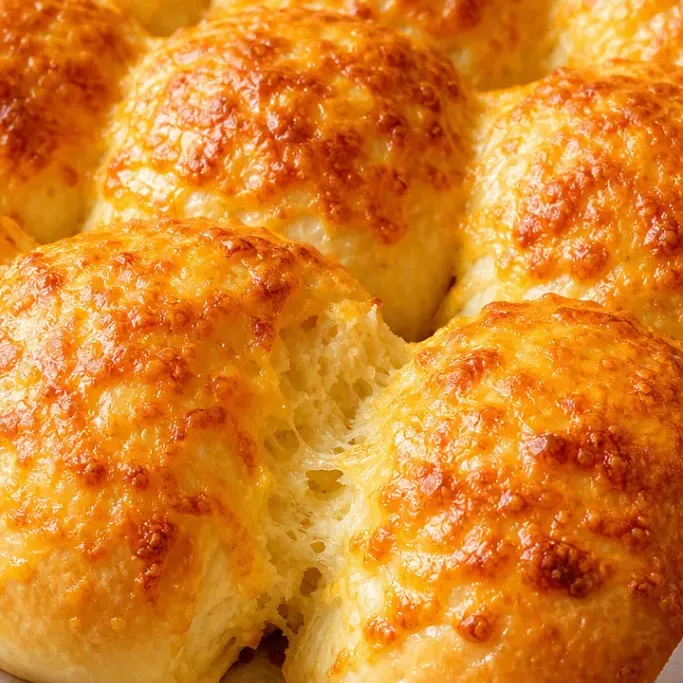
The crumb is genuinely soft, almost like a milk bread, and the cheddar on top goes sticky and browned in the oven in a way that’s hard to resist.
What keeps me coming back to this version is the dough itself. The butter and egg in the mix give it a slight richness that plain dinner rolls don’t have, and that’s what makes the buns hold up well even the next day.
They also freeze beautifully, which means one batch can stretch across two weeks.
Recipe Ingredients
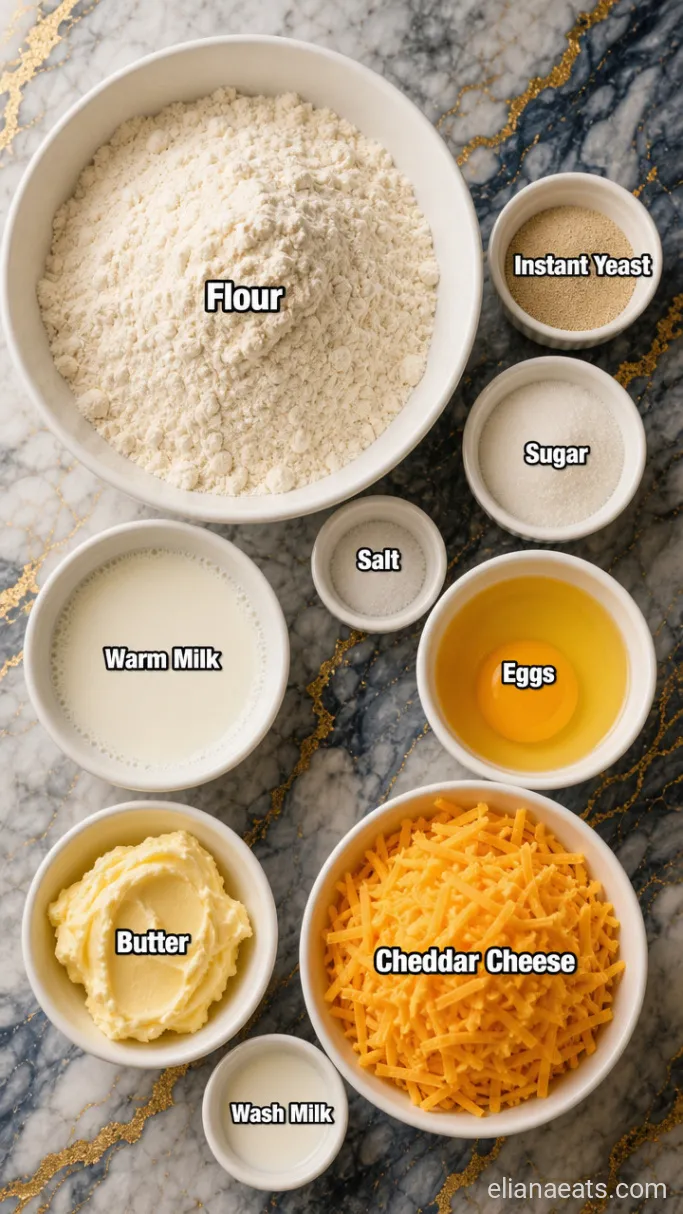
- 480g (4 cups) all-purpose flour – Measured by weight for consistency; bread flour works too for a chewier bite
- 7g (2¼ tsp) instant yeast – Instant yeast, not active dry; no proofing needed
- 50g (¼ cup) granulated sugar – Feeds the yeast and adds a faint sweetness to the crumb
- 1½ tsp fine salt – Keeps the dough from tasting flat
- 240ml (1 cup) whole milk, warm (about 38°C / 100°F) – Warm milk activates the yeast and enriches the dough
- 60ml (¼ cup) warm water – Adjusts hydration; add a little extra if the dough feels stiff
- 1 large egg – Adds richness and helps the crumb stay tender
- 57g (4 tbsp) unsalted butter, softened – Room temperature so it incorporates smoothly
- 200g (2 cups) shredded sharp cheddar cheese – Sharp cheddar gives the most pronounced flavor; use a block and grate it yourself
- 1 egg yolk – For the egg wash on top
- 1 tbsp milk – Mixed with the egg yolk for the wash
Variations / Substitutions
- Bread flour – Swap in equal weight for a slightly chewier, more structured bun that holds its shape a little better.
- Gruyère or mozzarella – Gruyère gives a nuttier, more complex top; mozzarella melts into a softer, stretchier crust with less browning.
- Plant-based butter and oat milk – The dough will be slightly less rich but still soft; use a full-fat oat milk for the closest result.
- Honey instead of sugar – Use 2 tbsp honey in place of the 50g sugar for a faintly floral sweetness that works well with sharp cheddar.
- Add-in: garlic and chive – Mix 1 tsp garlic powder and 2 tbsp chopped fresh chives into the dough with the butter for a savory variation.
- Pepper jack – Gives the top a gentle heat that lingers after the first bite.
If you enjoy baking enriched doughs, you might also like a classic Hawaiian sweet rolls recipe inspired by Costco.
How To Make Cheese Buns
Step 1: Mix the Dough
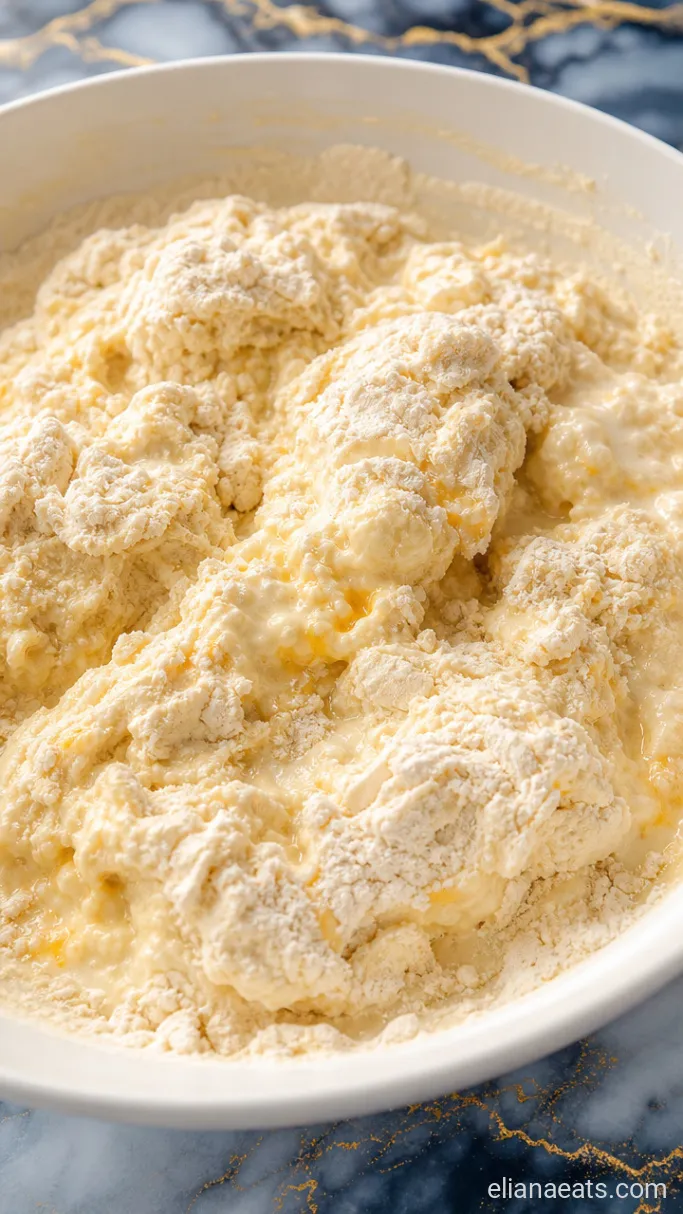
In a large bowl, combine the 480g flour, 7g instant yeast, 50g sugar, and 1½ tsp salt. Whisk them together briefly so the yeast is evenly distributed. Make a well in the center and add the 240ml warm milk, 60ml warm water, and 1 large egg. Mix with a wooden spoon or your hands until a shaggy dough comes together, then add the 57g softened butter a tablespoon at a time, kneading it in before adding the next piece.
Knead the dough for about 8 to 10 minutes by hand on a lightly floured surface, or 6 minutes in a stand mixer on medium with a dough hook. You are looking for a smooth, slightly tacky ball that springs back when you poke it. If it sticks aggressively to your hands, add flour a teaspoon at a time, but resist adding too much — a slightly sticky dough makes a softer bun.
Step 2: Rise the Dough
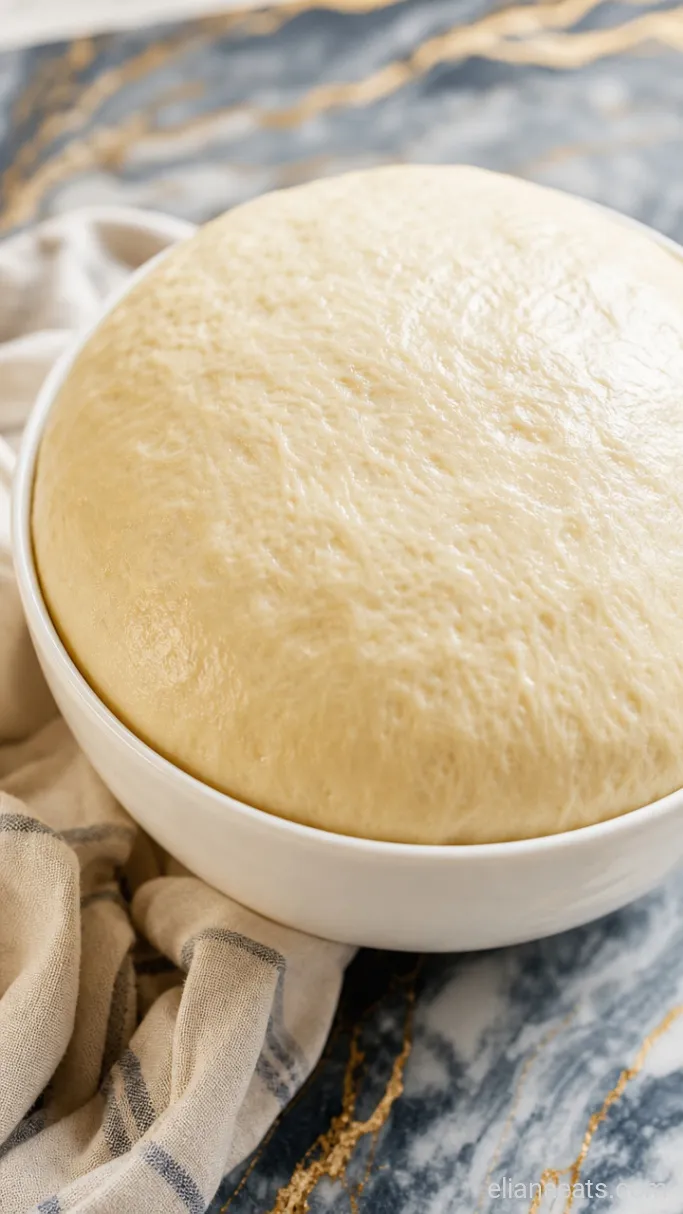
Place the kneaded dough in a lightly oiled bowl, cover it with plastic wrap or a clean kitchen towel, and leave it somewhere warm for 1 to 1½ hours, until it has doubled in size. A good spot is inside an oven with just the light on, or next to a warm stovetop.
At the end of the rise, the dough should look noticeably puffy and feel airy when you press it gently. It won’t snap back the way it did before — that’s what you want.
Step 3: Divide and Shape the Buns
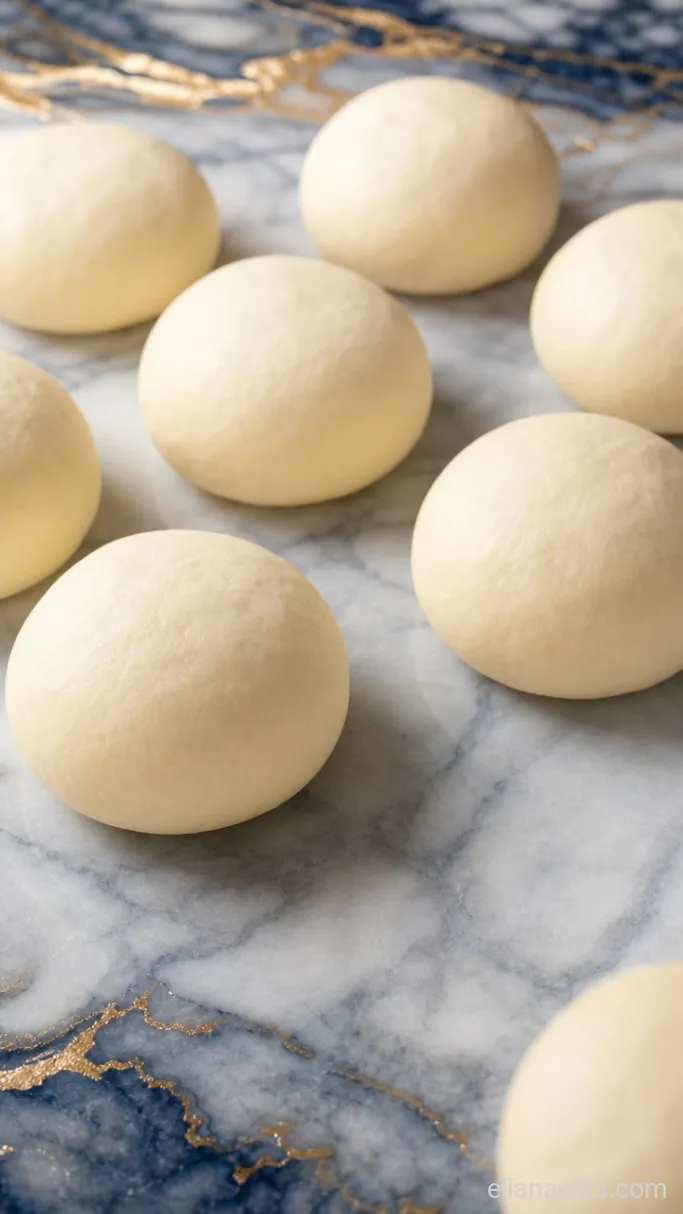
Punch the dough down gently to release the gas. Turn it out onto a lightly floured surface and divide it into 12 equal pieces, about 75 to 80g each if you have a kitchen scale. To shape each bun, flatten a piece into a rough round, pull the edges into the center, then flip it over and roll it under your cupped hand in small circles until you have a tight, smooth ball.
Arrange the shaped buns in a greased 9×13-inch (23x33cm) baking dish, leaving a small gap between each one so they have room to expand. They’ll bake up touching each other, which is exactly what gives them that pull-apart texture.
Step 4: Proof the Shaped Buns
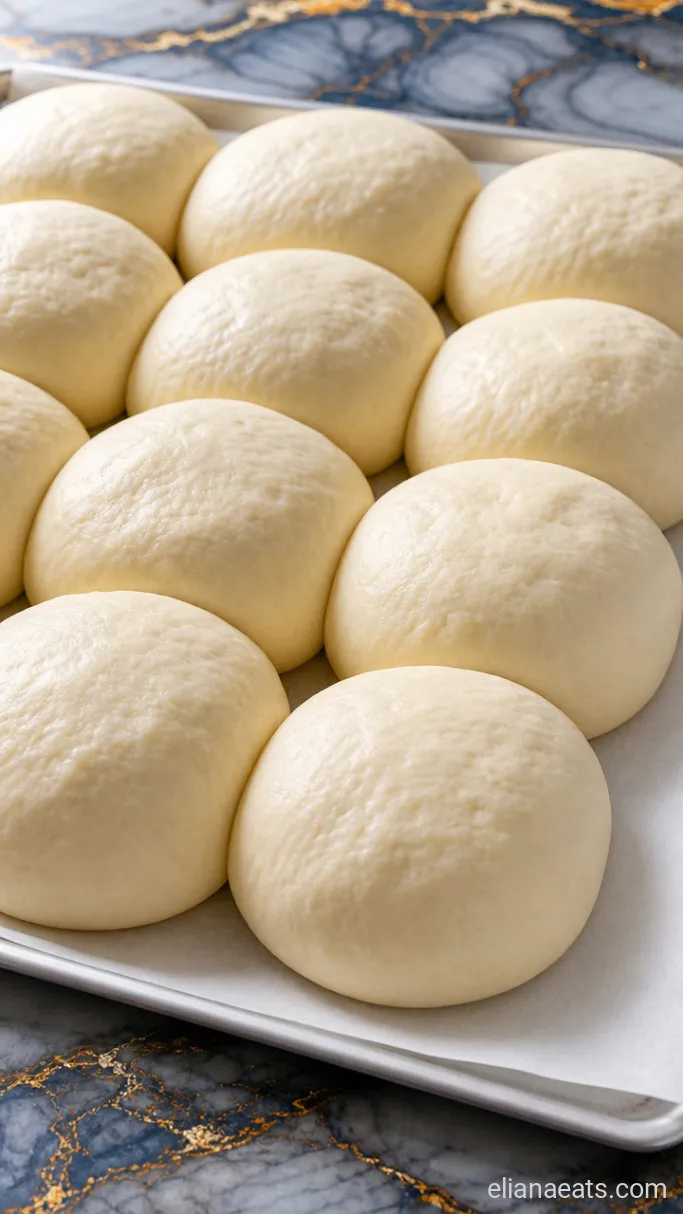
Cover the baking dish loosely with plastic wrap and let the buns proof for 45 minutes to 1 hour at room temperature, until they’re visibly puffed and crowding each other in the pan. While they proof, heat your oven to 190°C (375°F).
Don’t rush this second rise. Buns that go into the oven under-proofed tend to burst at the sides instead of rising evenly, and the crumb ends up dense in the middle.
Step 5: Top and Bake the Buns
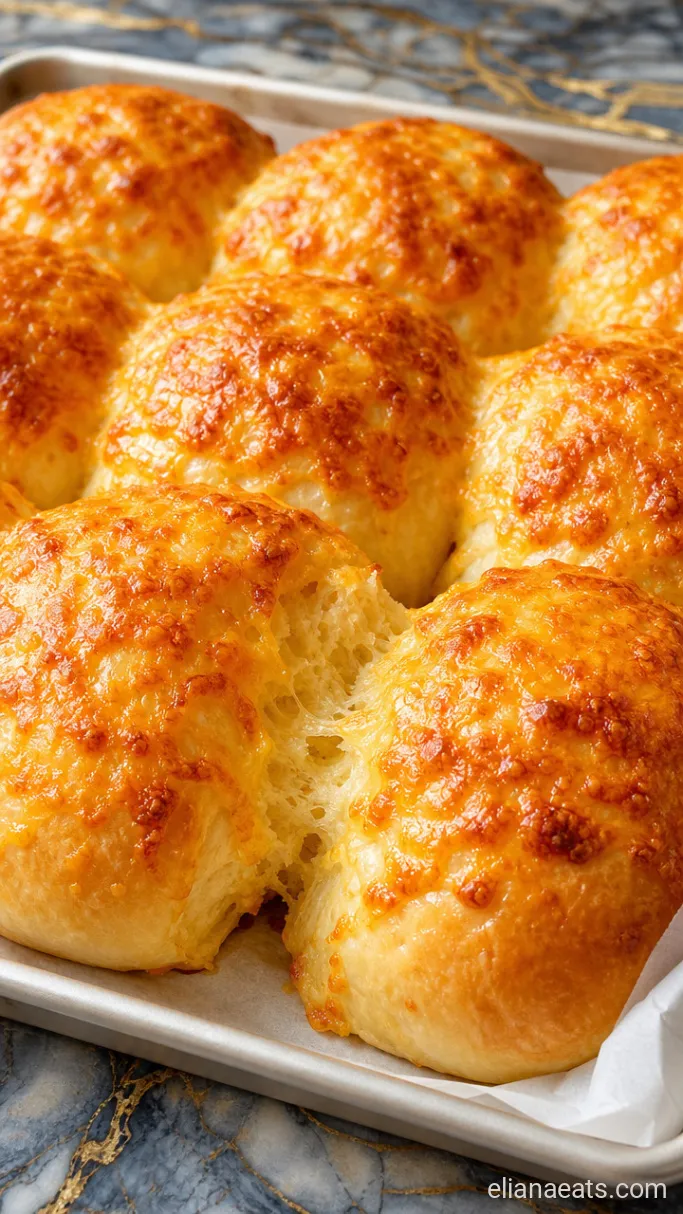
In a small bowl, whisk together the 1 egg yolk and 1 tbsp milk. Brush the egg wash generously over the tops of the proofed buns, then scatter the 200g shredded cheddar over the top, pressing it down very lightly so it sits in the wash and doesn’t slide off.
Bake at 190°C (375°F) for 22 to 25 minutes, until the cheese is deeply golden and the tops of the buns are a warm brown. An instant-read thermometer inserted into the center of a middle bun should read at least 93°C (200°F). Pull them from the oven and let them sit in the pan for 5 minutes, then transfer to a wire rack or bring the whole dish straight to the table. Serve the cheesy buns warm, pulling them apart at the seams, with the cheese crust glinting and golden on top.
Recipe Tips
- Grate your own cheese. Pre-shredded cheese is coated in starch to prevent clumping, which stops it from melting as smoothly. A block of sharp cheddar grated on the large holes of a box grater gives you a better melt and more browning.
- Check your milk temperature. Milk that’s too hot (above 49°C / 120°F) can kill the yeast. Aim for 38°C (100°F), which feels warm but comfortable on your wrist.
- Uneven proofing? If your kitchen is cold, buns can take closer to 1½ hours for the second proof. The visual cue matters more than the clock — look for buns that are touching and clearly puffed, not just slightly larger.
- Freezing baked buns. Once fully cooled, wrap individual buns in plastic wrap and freeze for up to 2 months. Reheat straight from frozen at 160°C (320°F) for 10 to 12 minutes.
Bake times will vary slightly by pan material:
| Pan Material | Oven Temp | Bake Time |
|---|---|---|
| Light metal (aluminum) | 190°C / 375°F | 22 to 24 min |
| Dark metal (non-stick) | 185°C / 365°F | 20 to 22 min |
| Glass or ceramic | 190°C / 375°F | 24 to 26 min |
How To Store
- Refrigerate – Store leftover buns in an airtight container or zip-lock bag at room temperature for up to 2 days, or in the fridge for up to 5 days.
- Reheating – Wrap a bun loosely in foil and warm it at 160°C (320°F) for 8 to 10 minutes, or microwave it for 20 to 25 seconds. The oven method keeps the crust from going rubbery.
What To Serve With Cheese Buns
These buns work well alongside a big pot of tomato soup because the richness of the bread and melted cheddar cuts right through the acidity. They’re also a natural companion to a simple green salad dressed with something bright and vinegary, since the fat in the dough and cheese needs a little sharpness to balance it. For a heartier meal, serve them next to a slow-braised beef stew where you’d otherwise use a crusty roll — they hold up to a bit of dunking without falling apart.
Frequently Asked Questions
Can I use active dry yeast instead of instant?
Yes. Use the same amount (7g / 2¼ tsp), but dissolve it in the warm milk for 5 to 10 minutes before adding it to the flour, and wait until it looks foamy before proceeding.
Can I make the dough the night before?
Yes. After the first knead, place the dough covered in the fridge overnight instead of doing the first rise at room temperature. It will rise slowly overnight. The next day, let it sit at room temperature for 30 minutes, then shape and continue from Step 3.
My buns came out dense. What went wrong?
Usually it’s the yeast. Either it was old, the milk was too hot and killed it, or the dough didn’t proof long enough. Check the yeast’s expiry date and use a thermometer on your milk next time.
Can I halve the recipe?
Yes, halve every ingredient and use an 8×8-inch (20x20cm) dish. The rise and bake times stay the same; just start checking the buns at the 20-minute mark since a smaller batch in a smaller pan can brown a little faster.
—
Cheese Buns Recipe
Ingredients
Method
- Whisk the 480g flour, 7g instant yeast, 50g sugar, and 1½ tsp salt in a large bowl. Add the 240ml warm milk, 60ml warm water, and 1 egg. Mix until a shaggy dough forms, then knead in the 57g butter a tablespoon at a time. Knead for 8 to 10 minutes by hand (or 6 minutes in a stand mixer) until smooth and slightly tacky.
- Place the dough in a lightly oiled bowl, cover, and let rise in a warm spot for 1 to 1½ hours until doubled in size.
- Punch the dough down, divide into 12 pieces (about 75 to 80g each), and shape each into a tight ball. Arrange in a greased 9×13-inch (23x33cm) baking dish.
- Cover loosely and proof for 45 minutes to 1 hour at room temperature until the buns are visibly puffed and touching. Heat oven to 190°C (375°F).
- Whisk the 1 egg yolk and 1 tbsp milk together and brush over the buns. Scatter the 200g shredded cheddar on top. Bake at 190°C (375°F) for 22 to 25 minutes until the cheese is deeply golden and the internal temperature reaches 93°C (200°F). Rest 5 minutes in the pan, then serve warm straight from the dish.
