
Copycat Cheesecake Factory Sourdough Bread

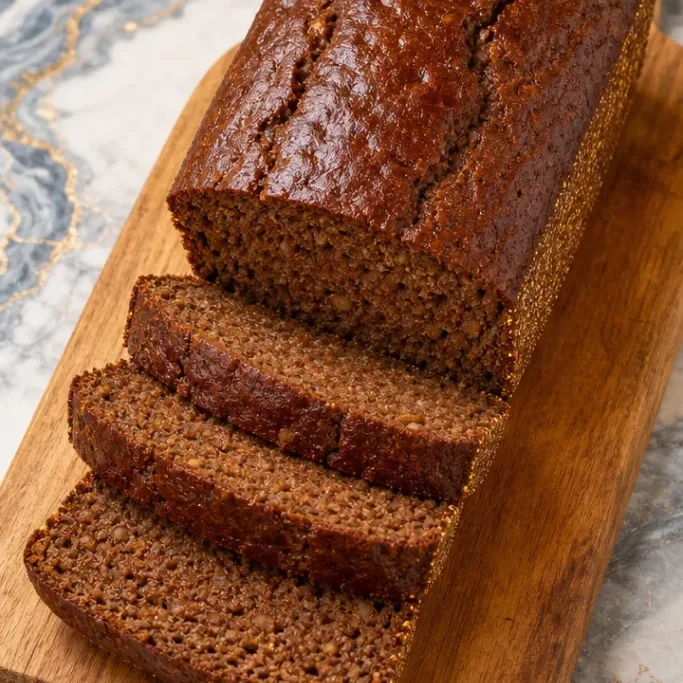
That dark, slightly sweet bread basket at The Cheesecake Factory is one of the best parts of the meal, and you can get close to it at home with pantry staples and a little patience. This copycat cheesecake factory sourdough bread gets its deep color from cocoa powder and molasses, not a starter, so there’s no feeding schedule involved.
It’s a straightforward yeast dough you knead, let rise twice, and bake into a soft, faintly sweet loaf with a chewy crust.
Why This Bread Tastes Like the Original
The molasses and cocoa powder do the heavy lifting here. Neither one makes the bread taste like chocolate or gingerbread, but together they give it that same deep brown color and rounded, almost malty sweetness the restaurant loaf has.
I like that this dough uses both bread flour and whole wheat flour. The bread flour keeps the crumb soft and stretchy, and the whole wheat adds just enough texture that it doesn’t taste like a plain white roll.
It’s a real yeast bread, so it takes some rise time, but the hands-on part is short. Most of the waiting happens while the dough sits on the counter, which means you’re free to do other things.
Ingredients
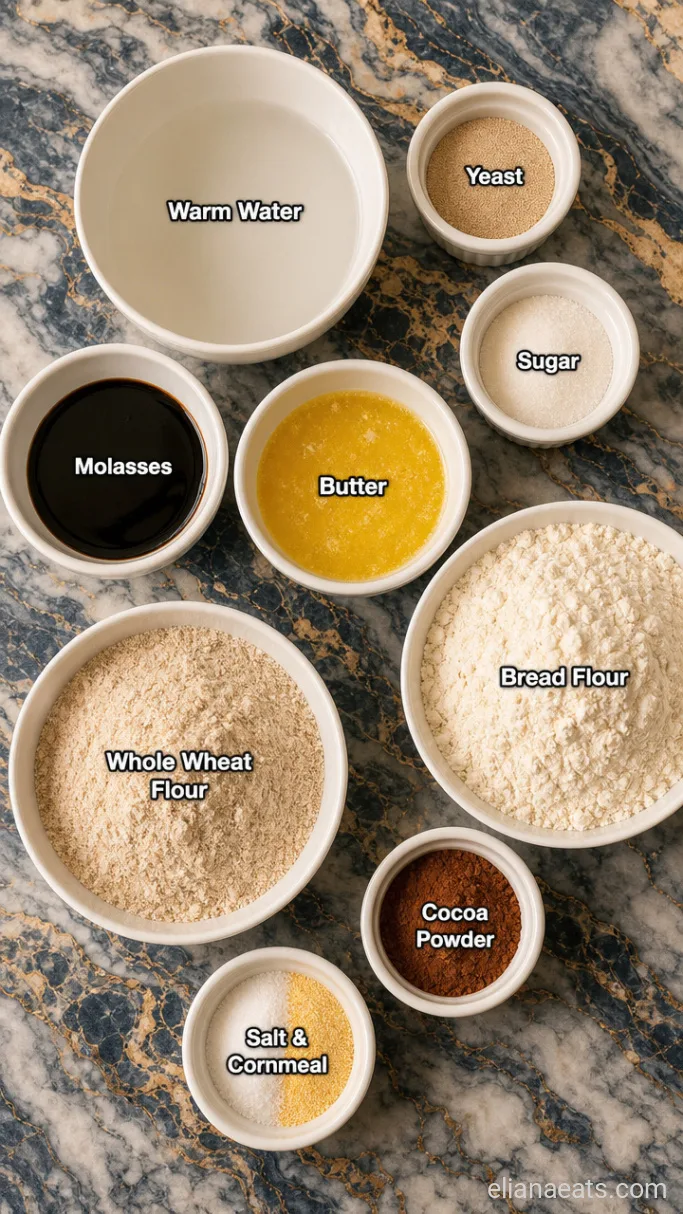
- 1 cup warm water, 110°F (43°C): too hot and it kills the yeast, too cool and it won’t activate
- 2 1/4 tsp active dry yeast: one standard packet
- 1 tbsp granulated sugar: feeds the yeast during blooming
- 2 tbsp molasses: for the deep color and that signature faint sweetness
- 2 tbsp unsalted butter, melted, plus extra for brushing
- 1 1/2 cups bread flour: the higher protein content keeps the crumb chewy
- 1 cup whole wheat flour: adds body and a slightly nutty edge
- 2 tbsp unsweetened cocoa powder: for color, not chocolate flavor
- 1 1/2 tsp salt
- Cornmeal, for dusting the pan: optional, but it gives the bottom crust a nice bit of crunch
Variations / Substitutions
- Honey instead of molasses: use 2 tbsp honey for a lighter color and a milder sweetness, closer to a classic wheat roll.
- All-purpose flour instead of bread flour: works fine, though the crumb will be a touch softer and less chewy.
- Dairy-free: swap the 2 tbsp melted butter for the same amount of melted coconut oil or a neutral oil.
- Caraway or fennel seeds: knead 1 tsp into the dough for a rye-adjacent flavor twist.
- Instant espresso powder: add 1/2 tsp with the cocoa powder to deepen the color and round out the flavor without adding coffee taste.
If you like baking your own bread from scratch, my honey oat dinner rolls are worth trying next.
How to Make Copycat Cheesecake Factory Sourdough Bread
Step 1: Bloom the Yeast
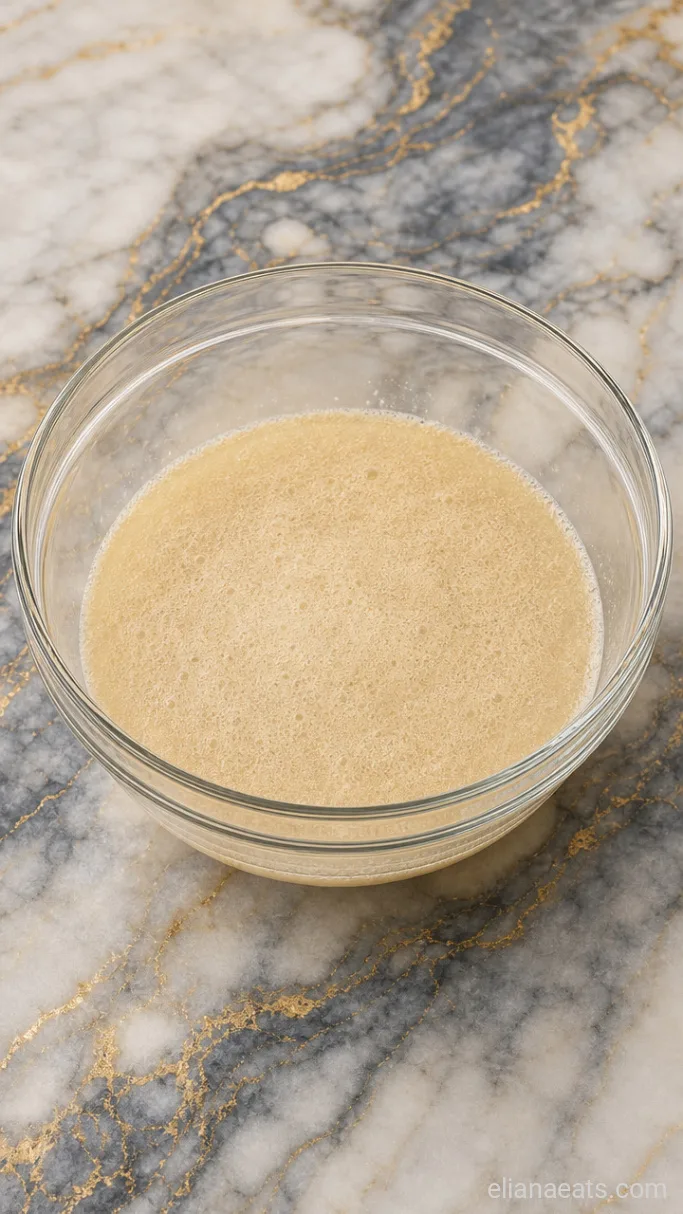
Pour the 1 cup warm water into a large bowl, then whisk in the 2 1/4 tsp active dry yeast and the 1 tbsp granulated sugar. Let it sit for 5 to 8 minutes.
You’re looking for a foamy, slightly puffed layer on top. That foam is how you know the yeast is alive and ready to work, so don’t skip watching for it.
Step 2: Knead the Dough
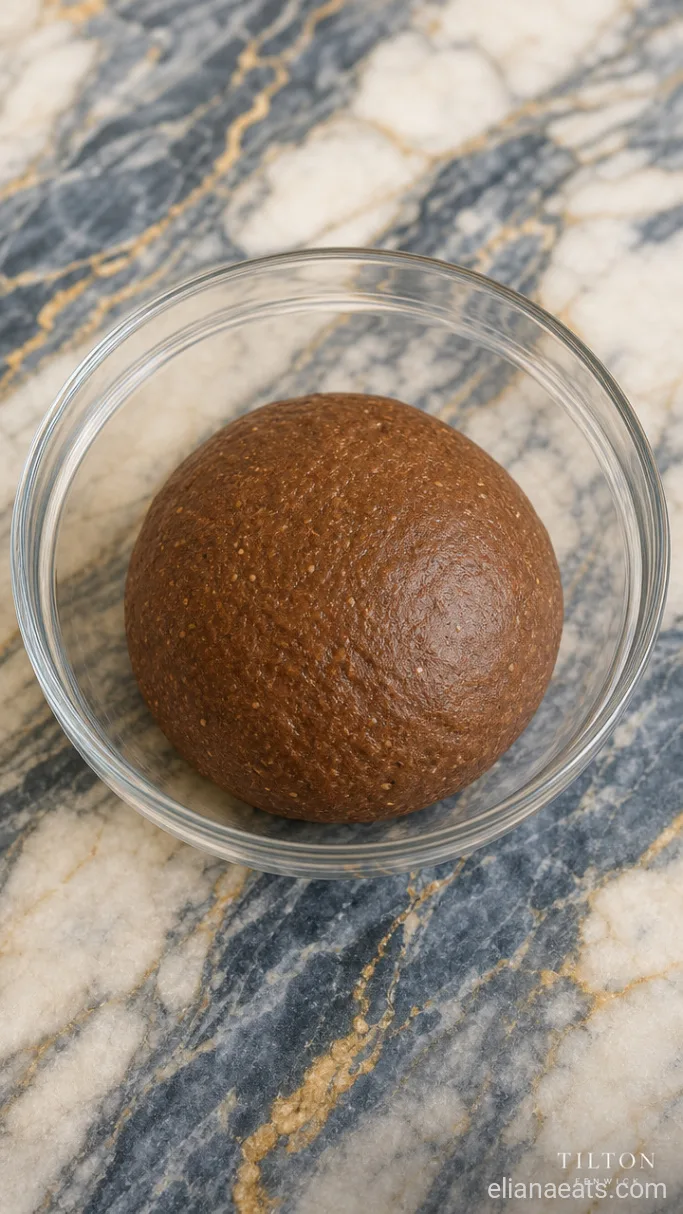
Once the yeast mixture is foamy, whisk in the 2 tbsp molasses and 2 tbsp melted butter. Add the 1 1/2 cups bread flour, 1 cup whole wheat flour, 2 tbsp cocoa powder, and 1 1/2 tsp salt, then stir until a shaggy dough forms and turn it out onto a floured counter to knead for 8 to 10 minutes.
The dough should go from sticky and rough to smooth and elastic, springing back slowly when you poke it. If it’s still tearing after a few minutes, keep kneading rather than adding extra flour, it usually just needs the time.
Step 3: Proof the Dough
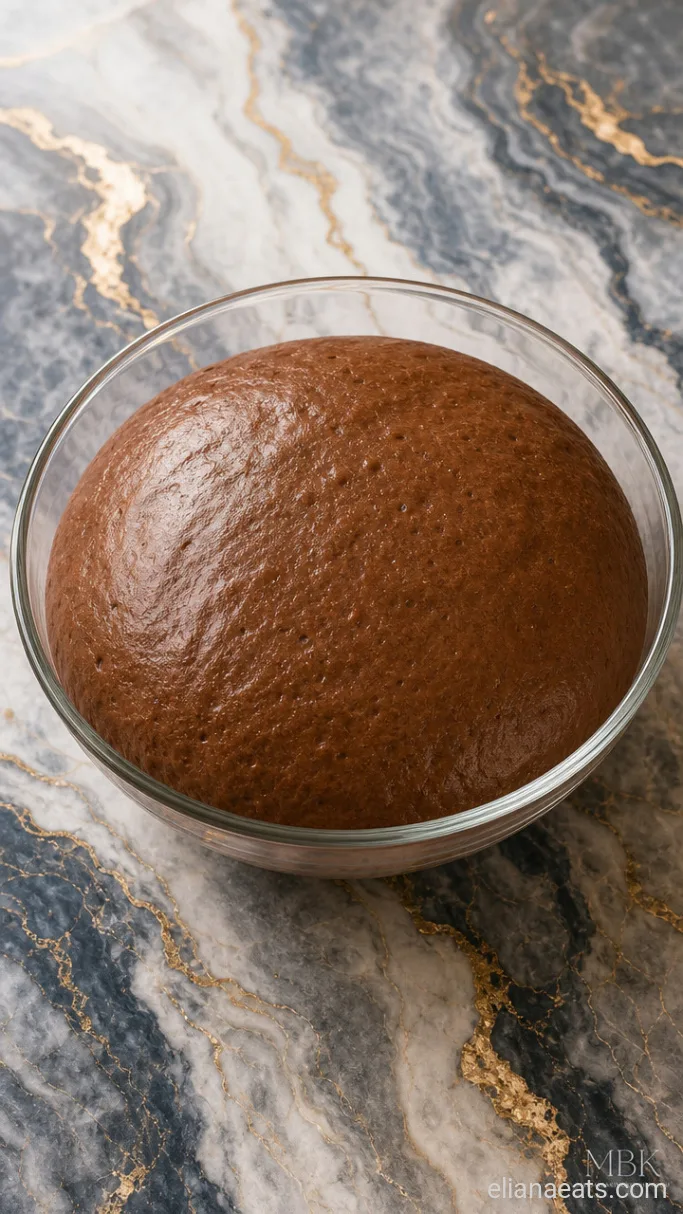
Shape the kneaded dough into a ball and set it in a lightly greased bowl, turning it once to coat. Cover with a towel and let it rise somewhere warm for about 60 minutes, until it’s roughly doubled in size.
Press a finger into the dough when the time’s up. If the indent stays put instead of springing back, it’s ready for shaping.
Step 4: Shape the Loaf
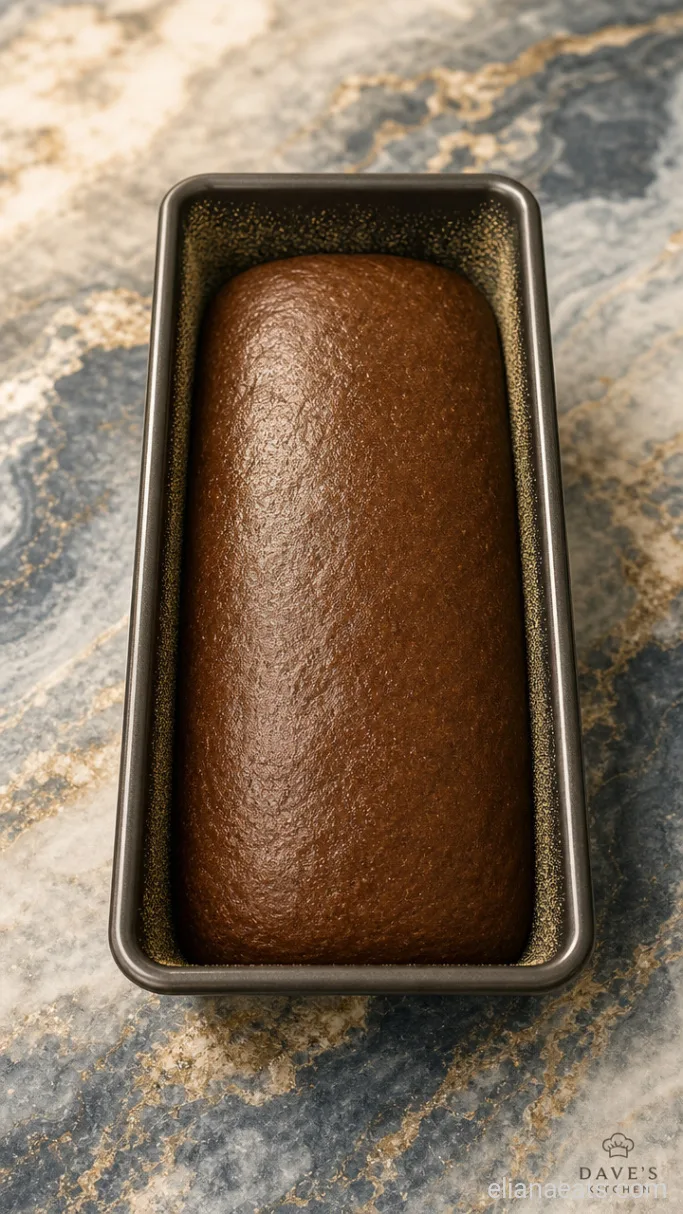
Punch the risen dough down gently to release the air, then shape it into a rounded oval loaf with your hands. Set it on a baking sheet dusted with cornmeal (if using), cover loosely, and let it rise again for 30 to 45 minutes.
This second rise is shorter but just as important. The loaf will look noticeably puffier and softer to the touch, and it’s what keeps the crumb light instead of dense.
Step 5: Bake and Slice the Loaf
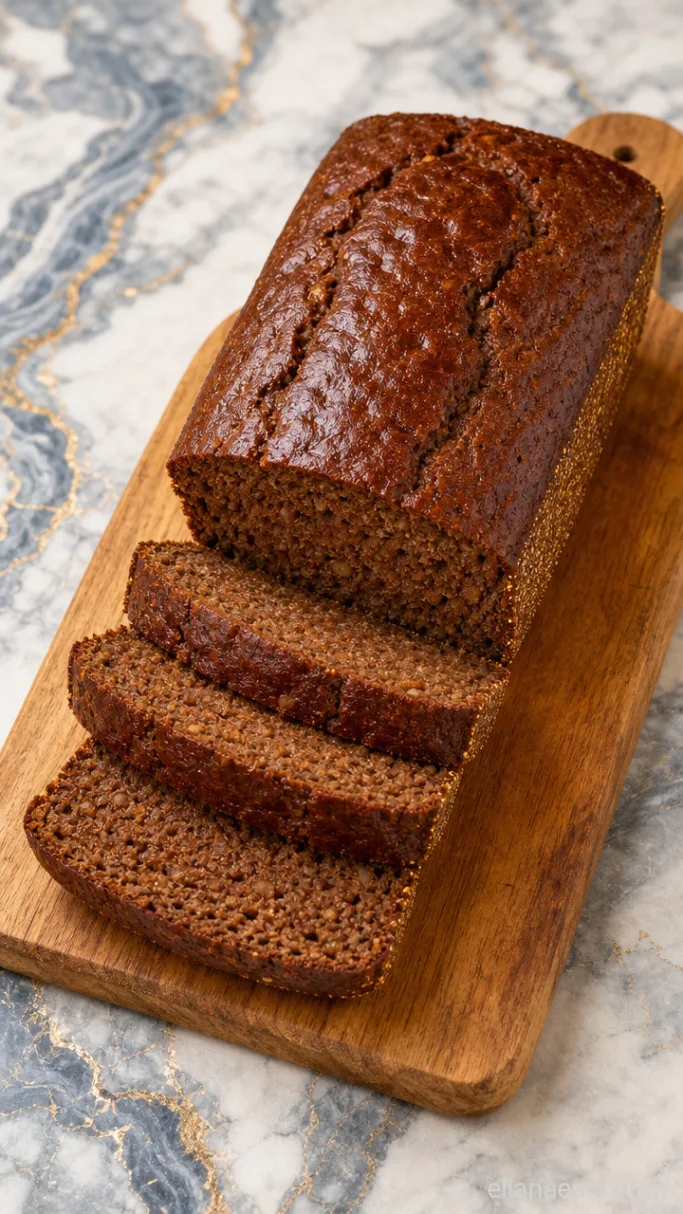
Preheat the oven to 375°F (190°C). Slash the top of the loaf two or three times with a sharp knife, then bake for 30 to 35 minutes, until the crust is deep brown and the internal temperature reads 200 to 205°F (93 to 96°C).
Brush the hot loaf right away with a little more melted butter for shine, then let it cool for 10 minutes before slicing. Serve it warm, the crust will still be a bit crackly and the inside soft and steamy.
Tips for a Loaf That Bakes Up Right
- Check your yeast is truly active before committing the rest of the ingredients; if it doesn’t foam at all in step 1, toss it and start with a fresh packet.
- Bake on the middle rack so the bottom crust doesn’t darken faster than the top.
- Cocoa powder here is strictly for color and a touch of depth, so don’t reach for a heaping scoop thinking it’ll taste like chocolate bread.
- If your kitchen is cool, let the dough rise in the oven with just the light on instead of the heat.
Bake times can shift slightly depending on your pan, so use this as a guide and check the internal temp to be sure.
| Pan Type | Loaf Size | Bake Time |
|---|---|---|
| Baking sheet, free-form | 1 medium oval loaf | 30-35 minutes |
| 9×5 in loaf pan | 1 standard loaf | 35-40 minutes |
| 2 mini loaf pans | 2 small loaves | 22-26 minutes |
Storing Leftovers
Refrigerate: Skip the fridge if you can, it actually dries the bread out faster. Keep sliced or whole bread in a sealed bag at room temperature for 2 to 3 days, or wrap tightly and freeze for up to 2 months.
Reheating: Warm slices in a 300°F (150°C) oven for about 5 minutes, or a few seconds in the microwave, to bring back that just-baked softness.
What Goes Well With Copycat Cheesecake Factory Sourdough Bread
This bread was made for soaking up sauce, so serve it alongside a brothy soup like minestrone or a creamy tomato bisque, where the slightly sweet crumb balances the acidity. It also holds its own next to a hearty pasta with red sauce, since the dense crumb won’t fall apart when you use it to mop up the plate. For something simpler, a soft butter and a sprinkle of flaky salt let the molasses flavor come through on its own.
Frequently Asked Questions
Is this actually sourdough bread?
No, it doesn’t use a sourdough starter or any fermentation beyond standard yeast, the “sourdough” name comes from the restaurant’s own branding rather than the traditional method.
Can I use instant yeast instead of active dry?
Yes, swap in the same 2 1/4 tsp of instant yeast and skip the blooming wait in step 1, mixing it straight into the dry ingredients instead.
Why didn’t my dough rise?
It’s almost always the yeast, either it was expired or the water was too hot when you bloomed it, so double-check both before trying again.
Can I freeze the dough instead of the baked loaf?
Yes, freeze it after shaping in step 4, then thaw it in the fridge overnight and let it finish its second rise at room temperature before baking.
Copycat Cheesecake Factory Sourdough Bread Recipe
Ingredients
Method
- Whisk the warm water, yeast, and sugar together and let sit 5 to 8 minutes until foamy.
- Whisk in the molasses and melted butter, then add the bread flour, whole wheat flour, cocoa powder, and salt, and knead 8 to 10 minutes until smooth and elastic.
- Let the dough rise in a greased, covered bowl for about 60 minutes, until doubled.
- Punch down the dough, shape into an oval loaf on a cornmeal-dusted baking sheet, and let rise again 30 to 45 minutes.
- Preheat the oven to 375°F (190°C), slash the top, and bake 30 to 35 minutes until the internal temperature reaches 200 to 205°F (93 to 96°C); brush with butter, cool 10 minutes, and slice.
Notes

